







Introduction
Government is a cornerstone of modern society, playing a crucial role in maintaining order, providing services, and ensuring the welfare of its citizens. With recent global challenges, such as the COVID-19 pandemic, climate change, and economic crises, the significance and effectiveness of government systems have come under scrutiny. Understanding how governments operate and their impact on daily life is more important than ever.
Functions of Government
At its core, the government serves several essential functions. These include:
- Law and Order: Governments establish and enforce laws to maintain public order and safety. This includes policing, judicial processes, and correctional institutions.
- Public Services: Governments provide vital services such as education, healthcare, infrastructure, and social welfare to promote the general well-being of their citizens.
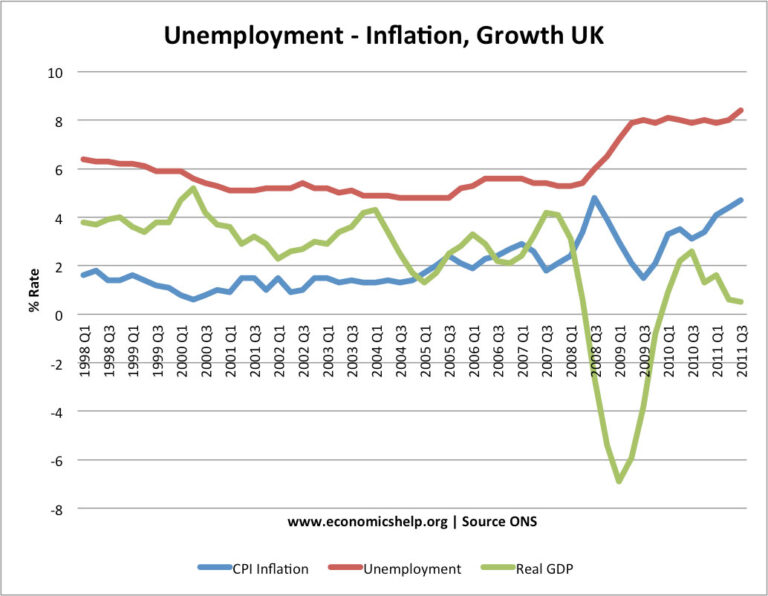
- Economic Management: Through fiscal and monetary policies, governments regulate the economy to foster growth, manage inflation, and ensure employment.
- Foreign Relations: Governments represent their nations in the global arena, engaging in diplomacy and trade to protect national interests and promote peace.
Current Events and Challenges
In recent years, governments worldwide have faced unprecedented challenges. The COVID-19 pandemic forced many to implement emergency measures, including lockdowns and economic support packages. According to the International Monetary Fund, global GDP contracted by 3.5% in 2020, the worst peacetime contraction since the Great Depression. Governments had to balance public health measures with economic sustainability, a task that requires deft governance.
Moreover, the rising awareness of climate change has placed additional pressure on governments to act decisively. The 2021 COP26 summit in Glasgow highlighted the urgency for nations to commit to net-zero targets in order to avert catastrophic environmental consequences. As public demand for sustainable policies increases, governments are being called upon to lead the charge with innovative solutions.
Conclusion
The role of government is ever-evolving, particularly in response to emerging global challenges. As citizens become more aware and engaged, the expectation that governments act effectively and transparently will only intensify. It is crucial for individuals to stay informed and participate in the democratic process, ensuring that their voices shape the future of governance. In this way, society can collectively work towards a more just, equitable, and sustainable world.