





Introduction
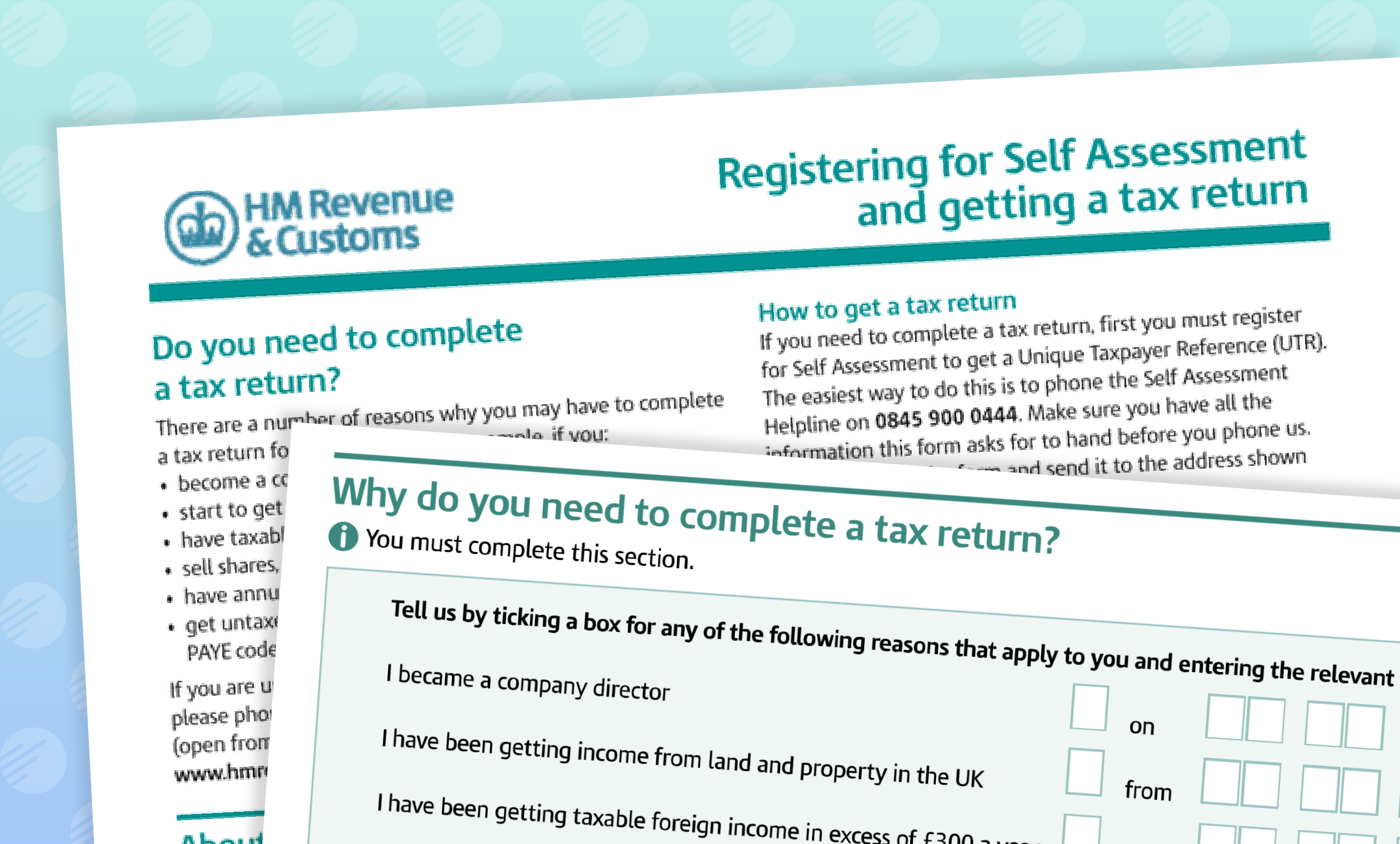
The HM Revenue and Customs (HMRC) is a vital institution in the United Kingdom, responsible for tax collection, regulation of customs, and enforcement of national legislation. As the government’s primary revenue service, HMRC plays a crucial role in funding public services and shaping the economic landscape.
Functions of HMRC
Established in 2005, HMRC oversees the collection of various forms of tax including income tax, corporation tax, value-added tax (VAT), and National Insurance contributions. In the fiscal year 2021/22, HMRC collected approximately £727 billion in revenue, highlighting its pivotal role in funding essential services such as education and healthcare.
Aside from tax collection, HMRC is also responsible for customs duties. This function gained increased importance following Brexit, as the UK exited the European Union and established its own customs regime. An effective customs system is vital for protecting both consumers and businesses from unfair competition and ensuring that the standards of goods entering the UK meet national regulations.
Recent Developments
In recent months, HMRC has implemented various initiatives to streamline operations and enhance compliance. One notable development is the introduction of the Making Tax Digital (MTD) initiative. This program requires VAT-registered businesses with taxable turnover above £85,000 to maintain their records digitally and submit VAT returns through the MTD service. The initiative promises to increase efficiency and accuracy in tax reporting.
Furthermore, HMRC has also escalated efforts to tackle tax evasion and fraud, particularly in light of the economic disruptions caused by the COVID-19 pandemic. The recovery of lost revenue through enhanced compliance measures is key to maintaining fiscal health and supporting economic recovery.
Conclusion
As HMRC continues to evolve in response to economic challenges and changing regulations, its importance to both individuals and businesses within the UK remains significant. The agency’s efforts to improve tax collection, enhance compliance, and bolster customs operations are critical not just for government revenue but also for ensuring a fair and efficient marketplace.
Looking ahead, individuals and businesses must remain aware of ongoing changes in HMRC policies and compliance requirements, especially as new technologies are implemented. Staying informed will not only assist in compliance but also promote a stronger economy for the future, reinforcing HMRC’s role as a cornerstone of the UK’s economic infrastructure.