









Introduction
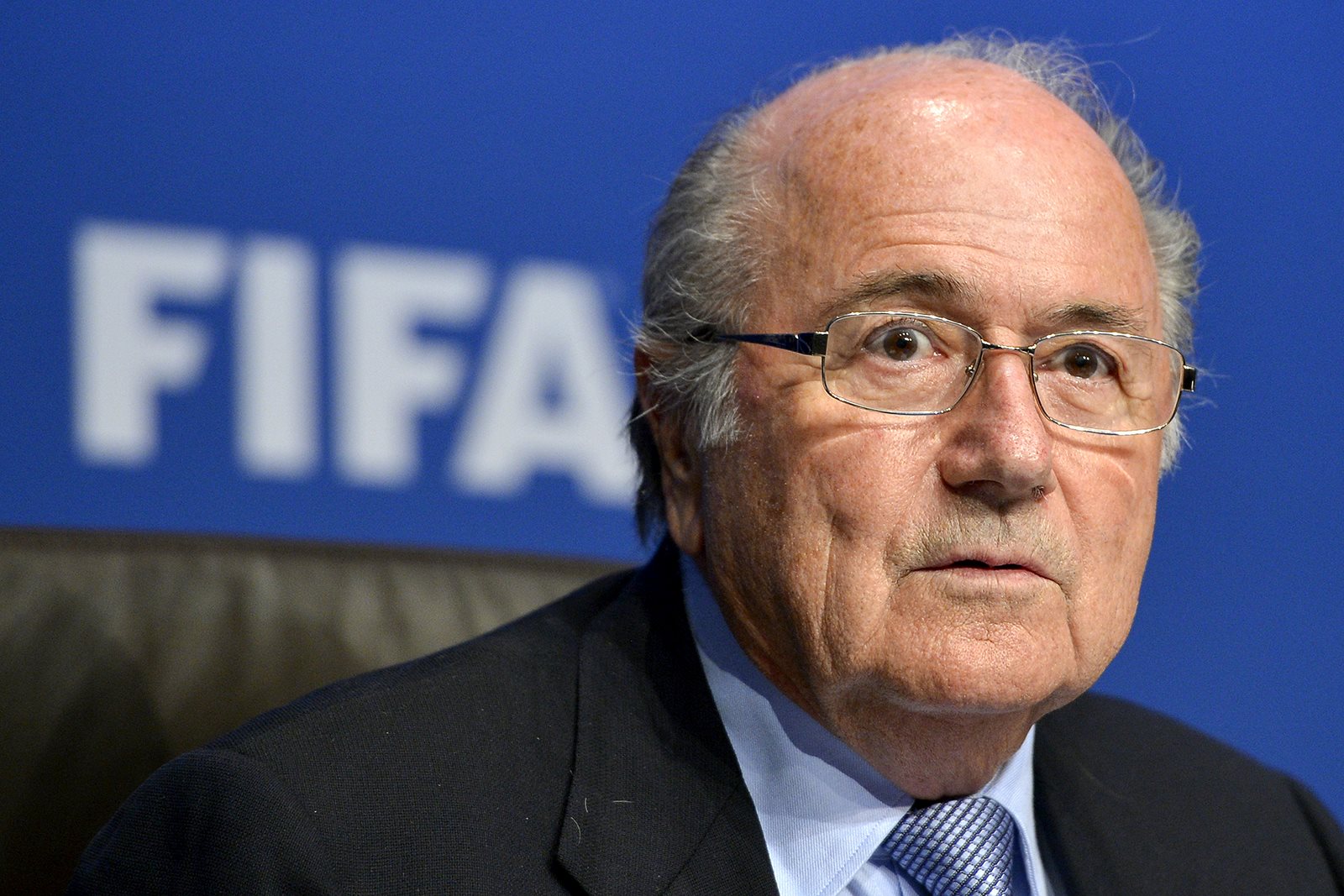
Sepp Blatter, the former President of FIFA, remains a pivotal figure in the world of football. His leadership spanned over 17 years, during which he presided over a period of significant transformation, yet also faced numerous accusations of misconduct and corruption. As discussions continue about accountability and reform in sports governance, understanding Blatter’s impact is vital for grasping the current landscape of international football.
Key Events During Blatter’s Tenure
Blatter took over FIFA’s presidency in 1998, and under his leadership, the organisation expanded the World Cup and boosted its financial profitability. The introduction of the Women’s World Cup in 1995 was a landmark achievement attributed to his influence, widening the sport’s reach. However, the darker side of his tenure emerged with the 2015 scandal, where multiple FIFA officials were arrested as part of a wide-ranging US investigation into corruption.
Corruption Allegations
Blatter himself became embroiled in various corruption accusations, culminating in a suspension from football activities in 2015. Following an investigation led by the FIFA ethics committee, he was banned from the sport for eight years, later reduced to six. This period is often highlighted as a watershed moment in football governance, ultimately leading to calls for reform within FIFA and a rethink of the way football operates globally.
Post-Presidency and Current Perspective
Even after stepping down, Blatter has remained a controversial figure. In December 2022, he stated he regrets awarding the 2022 World Cup to Qatar, which has been met with mixed reactions as many argue that the decision was influenced by geopolitical factors. His public appearances and commentary continue to spark debate, especially around issues of legacy and responsibility in leading one of the world’s largest sporting organisations.
Conclusion
Sepp Blatter’s influence on football is undeniable, yet his legacy is complex and mired in controversy. His presidency highlighted the need for increased transparency in sports administration and the importance of ethical governance. As FIFA strives to restore its image and rebuild trust, the lessons learned from Blatter’s tenure will play a critical role. Moving forward, the capacity for reform will undoubtedly hinge on the willingness of current leaders to address the issues that plagued the organisation during his years in power.