Introduction
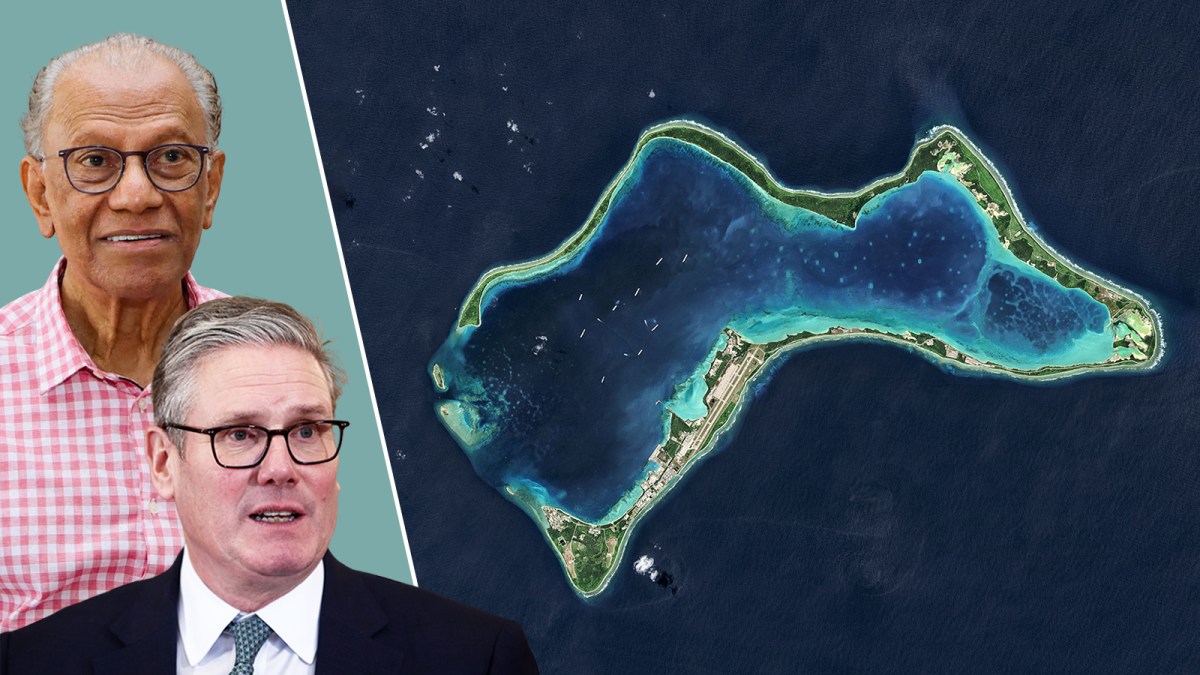
The Chagos Archipelago, located in the Indian Ocean, has become a focal point of international controversy and legal battles over its sovereignty and the rights of its indigenous people. The significance of this dispute extends beyond territorial claims, touching on issues of colonialism, human rights, and international law.
Background of the Dispute
The history of the Chagos Archipelago dates back to the 18th century, but the modern dispute began in the 1960s when Britain detached the islands from Mauritius to create a military base, particularly on Diego Garcia. This move was ratified by the United States, which established a significant military presence there during the Cold War. The indigenous Chagossians were forcibly removed from their homes to make way for the base, leading to decades of legal battles and calls for justice.
Recent Developments
In recent years, the Chagos issue has gained renewed attention. In 2019, the International Court of Justice (ICJ) issued an advisory opinion stating that the UK must end its administration of the islands and return them to Mauritius. The court highlighted the unlawful nature of the UK’s actions and urged international support for Mauritius’ claim. However, the UK has rejected the ICJ’s ruling, maintaining its sovereignty over the archipelago.
In October 2023, the United Nations General Assembly passed a resolution urging the UK to hand back the Chagos Archipelago to Mauritius, further isolating the UK diplomatically on this issue. Advocacy groups for the Chagossians have also intensified their campaigns, demanding compensation and the right to return to their homeland.
Significance for Readers
The Chagos Archipelago dispute illustrates the complexities of post-colonial governance and international relations. For readers, understanding this issue is essential as it highlights ongoing challenges faced by indigenous populations and the importance of international law in resolving such disputes. As discussions continue at international forums, the potential for resolution may pave the way for the Chagossians to reclaim their land and heritage while setting precedence for similar disputes worldwide.
Conclusion
As the controversy over the Chagos Archipelago continues, it remains a significant case study in international law, human rights, and the rights of indigenous peoples. The fate of the Chagossians and the sovereignty of the islands are not just historical issues but vital subjects for contemporary global governance. Moving forward, the outcome of this dispute may influence other territorial conflicts and the scope of colonial legacies in the 21st century.