









Introduction
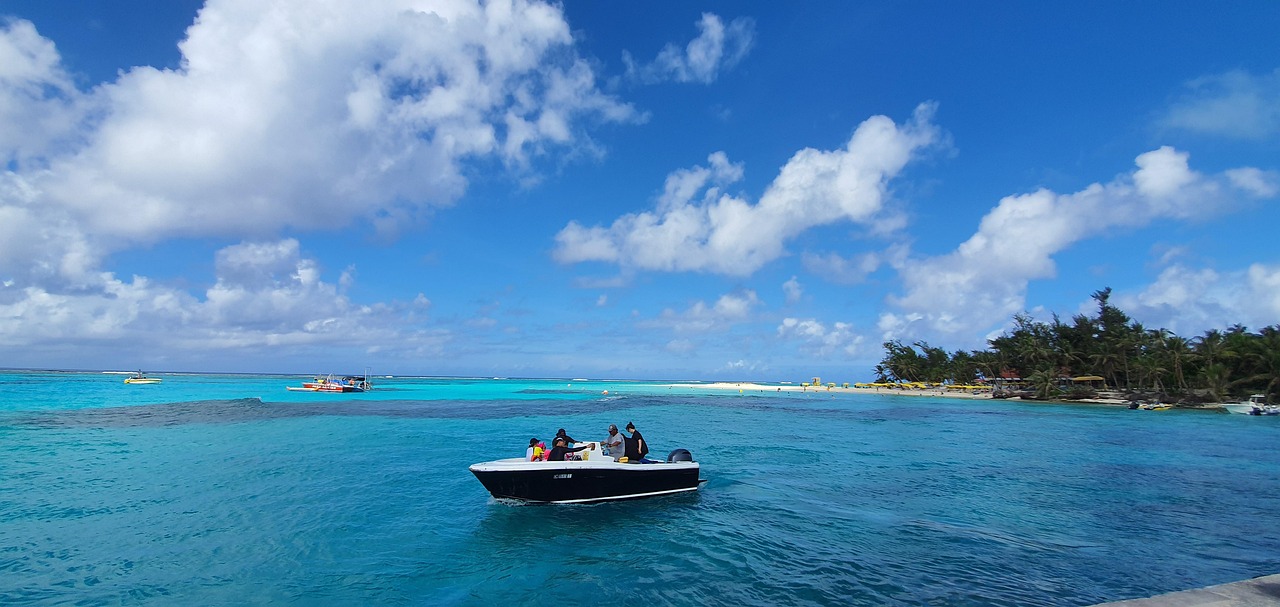
Saipan, the largest island of the Northern Mariana Islands, holds significant cultural and historical importance. As a tropical paradise, it is not only a popular destination for tourists seeking stunning beaches but also a location rich in World War II history. With its unique blend of natural beauty and historical sites, Saipan has become increasingly relevant in discussions about tourism, environmental preservation, and cultural heritage.
Current Events and Attractions
Recently, Saipan has been highlighted as a key tourist destination following the easing of travel restrictions due to the COVID-19 pandemic. The island’s government, in collaboration with local businesses, has launched new promotional campaigns to attract visitors. The Saipan Visitor’s Bureau reports a steady increase in tourism, with key attractions such as Micro Beach, Managaha Island, and the American Memorial Park drawing significant crowds. These sites not only showcase the stunning landscapes but also educate visitors on the island’s rich history and the impact of World War II on its development.
Moreover, the island has become a focal point for eco-tourism, promoting sustainable travel practices. Local initiatives are in place to protect coral reefs and promote responsible tourism, making it essential for visitors to engage with the natural beauty without causing harm. Various organizations on the island are working hard to educate both locals and travelers about the importance of preserving Saipan’s natural ecosystems.
Economic and Cultural Importance
Economically, the revitalization of tourism in Saipan is crucial. In recent months, local businesses have reported a surge in demand for accommodation and services, showing the potential recovery of the hospitality sector post-pandemic. The local government aims to diversify the economy while still preserving the island’s cultural identity and natural resources.
Culturally, Saipan is home to various indigenous communities that add to its unique character. Efforts are being made to celebrate and preserve local traditions through festivals and events, enhancing the experience for visitors and fostering pride among residents. Initiatives aimed at showcasing local cuisine, arts, and crafts serve not only as a form of tourism attraction but also as a vital aspect of maintaining cultural heritage.
Conclusion
In conclusion, Saipan represents a microcosm of how tourism can lead to both economic gain and cultural preservation. As the island continues to attract tourists with its enchanting beauty and rich historical narrative, it faces the important task of balancing economic development with the preservation of its environment and cultural heritage. For readers and potential visitors, Saipan is a destination that promises not just relaxation but also a deep dive into the harmonious blend of nature and history.