Introduction to Gabon
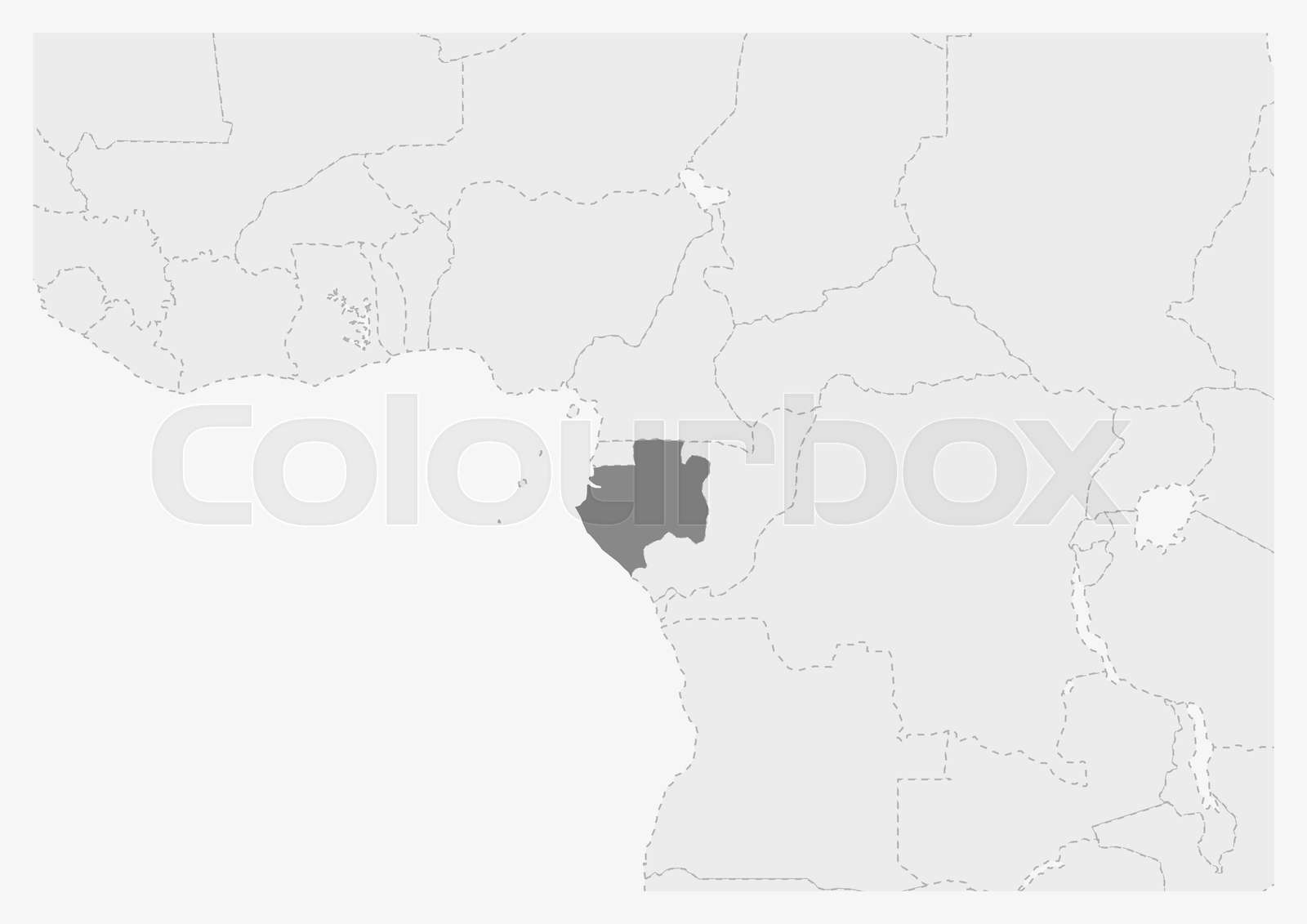
Gabon, located on the west coast of Central Africa, is often referred to as a hidden gem of the continent. With its vast rainforests, rich biodiversity, and unique cultural heritage, Gabon is increasingly attracting attention from ecotourists and conservationists alike. As the world becomes more aware of the importance of preserving natural habitats, Gabon’s initiatives in conservation and sustainable tourism make it particularly relevant today.
Geography and Biodiversity
Covering an area of approximately 267,668 square kilometres, Gabon boasts a range of ecosystems, including coastal mangroves, savannahs, and dense tropical forests. Nearly 80% of the country is covered by rainforest, making it one of the most biodiverse regions on the planet. Gabon’s national parks, such as Loango and Ivindo, are home to thousands of species, including rare animals like the forest elephant and the western lowland gorilla. The government has committed to protecting these natural resources, having designated nearly 11% of its territory as national parks.
Recent Developments
Recently, Gabon has gained international recognition for its environmental efforts. In September 2023, Gabon hosted the Central Africa Forests and Climate Change Conference, drawing global leaders and environmentalists to discuss policies for sustainable forest management. The discussions highlighted the importance of preserving Gabon’s rainforests in the fight against climate change. In addition, Gabon has launched initiatives to promote ecotourism as a sustainable economic driver, which aims to boost the local economy while protecting natural resources.
Cultural Heritage
Beyond its natural beauty, Gabon is rich in cultural diversity, with over 40 ethnic groups contributing to its vibrant history. The Fang and Mpongwé people are among the most prominent, each boasting unique traditions, languages, and art forms. Festivals such as the ‘Gabonese National Day’ and various tribal ceremonies celebrate this cultural tapestry, drawing visitors from around the world. In recent years, efforts to promote Gabonese art, music, and dance have increased, highlighting the country’s cultural significance.
Conclusion
As Gabon continues to emerge on the global stage, it remains a significant example of biodiversity and cultural richness in Africa. The country’s commitment to conservation and sustainable development is crucial not only for its own ecosystems and communities but also as a model for other nations. For travellers and nature lovers, Gabon offers a unique opportunity to experience Africa’s beauty and diversity in an increasingly sustainable manner. It is clear that Gabon is poised to play an essential role in the future of conservation and cultural preservation.