









Introduction
The Dominican Republic, located on the island of Hispaniola in the Caribbean, is a nation that boasts an extraordinary blend of natural beauty, rich history, and vibrant culture. With its picturesque beaches, lush mountains, and bustling cities, the Dominican Republic has become one of the top tourist destinations in the Caribbean. This article explores the significance of the Dominican Republic in terms of its cultural heritage, environmental diversity, and economic impact, making it a key player in the region.
Cultural Heritage
The Dominican Republic is known for its unique culture that reflects a combination of indigenous Taino influences, Spanish colonisation, and African heritage. Its capital, Santo Domingo, is the oldest continuously inhabited European settlement in the Americas, home to the historic Colonial Zone, a UNESCO World Heritage site. Visitors can explore stunning colonial architecture, enjoy local music such as merengue and bachata, and indulge in traditional Dominican cuisine, which features rice, beans, plantains, and fresh seafood.
Natural Beauty
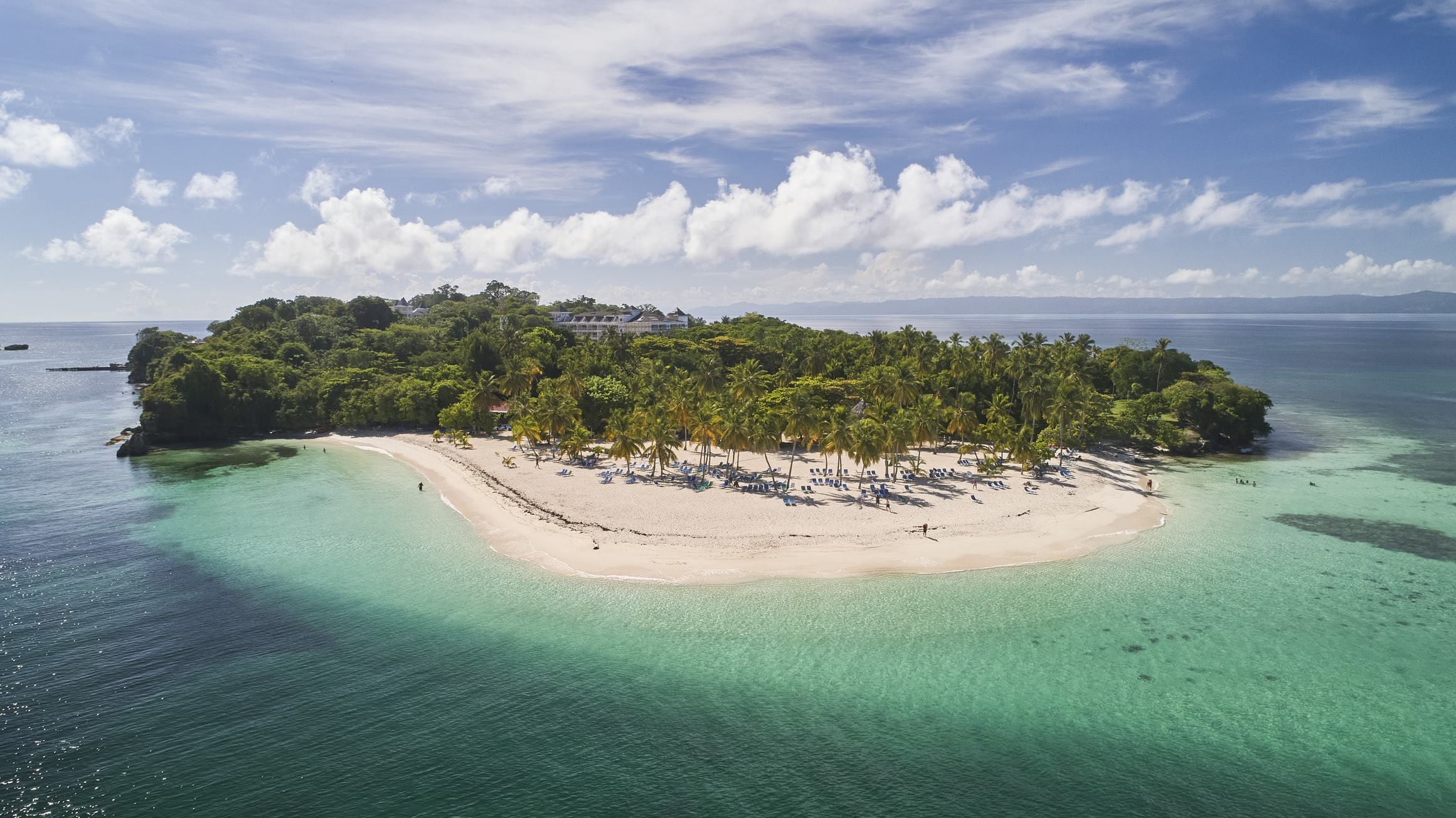
The country is renowned for its breathtaking landscapes, ranging from the stunning beaches of Punta Cana and Puerto Plata to the lush mountainous terrain of the Cordillera Central. The Dominican Republic is home to Pico Duarte, the highest peak in the Caribbean, along with several national parks and reserves that protect its diverse ecosystems. This exceptional natural beauty not only attracts tourists but also plays a crucial role in conserving biodiversity and promoting ecotourism, contributing significantly to the nation’s economy.
Tourism and Economy
Tourism is a cornerstone of the Dominican Republic’s economy, accounting for a significant portion of its GDP. In recent years, the country has seen a surge in visitors, with over 7 million tourists arriving in 2019 alone. Key attractions include all-inclusive resorts, adventure activities, and vibrant nightlife, catering to various demographics. However, the pandemic resulted in a temporary decline in tourism; yet, the government and businesses are optimistic about recovery as international travel restrictions ease.
Conclusion
The Dominican Republic embodies a captivating mix of culture, history, and natural wonders, making it a compelling destination for travellers worldwide. As the nation continues to recover from the pandemic’s impact on tourism, it is prioritising sustainable practices to protect its environments and promote cultural heritage. Looking ahead, the Dominican Republic is set to maintain its status as a premier Caribbean destination, offering visitors both relaxation and adventure while respecting and preserving its rich cultural tapestry.