






Introduction
‘The Day of the Jackal,’ written by Frederick Forsyth and published in 1971, remains one of the most gripping political thrillers in literary history. Its blend of meticulous detail, suspense, and the exploration of international espionage has captivated readers for decades. Given the current global political climate, the themes of the novel resonate more than ever, making it a significant topic for discussion.
Synopsis and Themes
The novel is centered around an unnamed Englishman, referred to as ‘the Jackal,’ who is hired to assassinate French President Charles de Gaulle. Forsyth intricately portrays the Jackal’s calculated approach to his task, showcasing not just the planning stages but also the psychological nuances of an assassin locked in a deadly game. The narrative unfolds with various subplots involving the French police and intelligence services, who are racing against time to prevent the assassination.
Current Relevance
In today’s context, where political tensions are heightened and the threat of terrorism remains a tangible concern worldwide, the themes of ‘The Day of the Jackal’ feel eerily prescient. The meticulous planning and the global ramifications surrounding assassination plots echo modern-day discussions on political violence and the role of intelligence agencies. Moreover, the book now sparks interest as it reflects on the impact of violent political motivations across the globe.
Adaptations and Cultural Impact
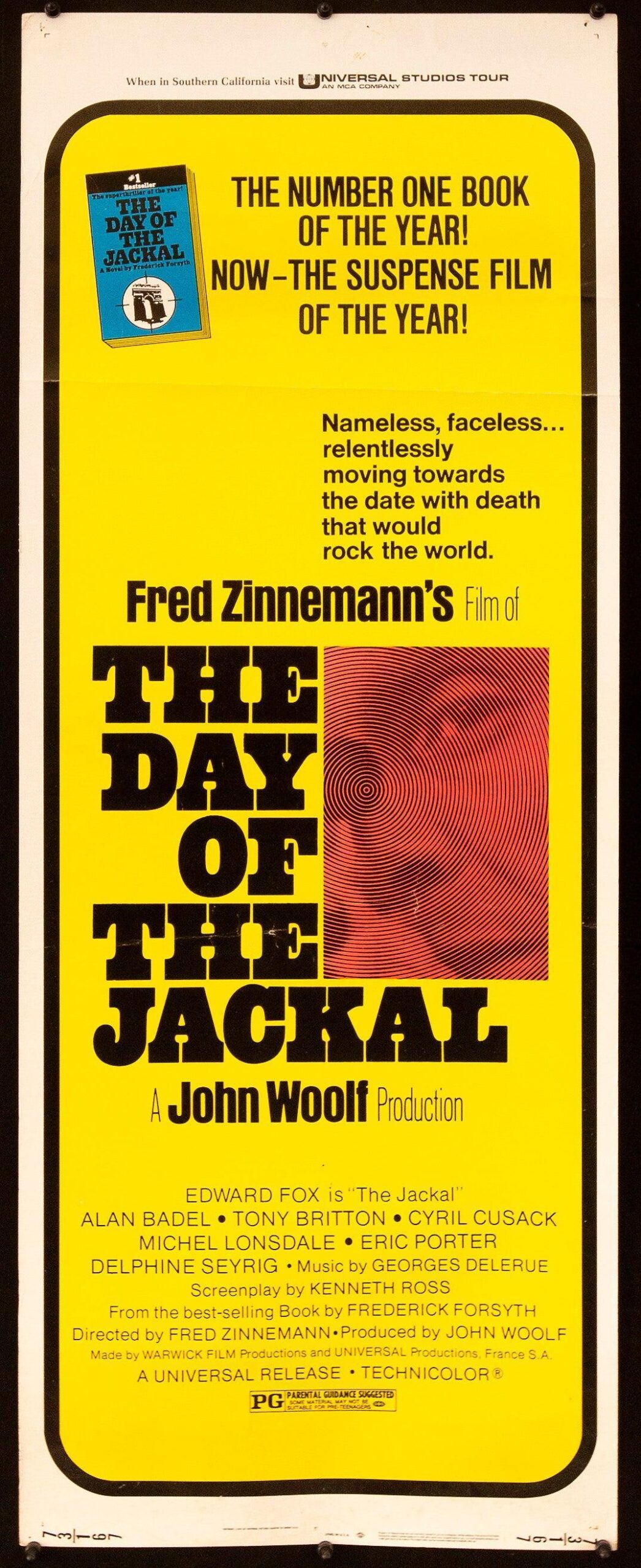
The novel’s impact has extended beyond literary circles. It was adapted into a successful film in 1973, directed by Fred Zinnemann, which received critical acclaim and led to renewed interest in the book. The character of the Jackal has since become iconic, representing the archetypal assassin in popular culture.
Conclusion
‘The Day of the Jackal’ continues to resonate with contemporary audiences, serving not only as a thrilling read but also as a lens through which to examine current political dynamics. As tensions in global affairs evolve, Forsyth’s masterpiece invites readers to reflect on the darker sides of governance, power, and morality. It stands as a reminder of how fiction can often illuminate truths about our real world, making it a timeless classic worthy of attention.