Introduction to EDF Energy
EDF Energy, one of the UK’s largest energy providers, is a subsidiary of the global energy giant Électricité de France. As the world increasingly focuses on sustainability and reducing carbon emissions, EDF Energy plays a crucial role in transitioning the UK towards greener energy solutions. With its extensive portfolio that includes nuclear, renewable, and fossil fuel generation, the company is committed to not only providing reliable energy but also embracing innovation to contribute towards a more sustainable future.
Recent Developments and Achievements
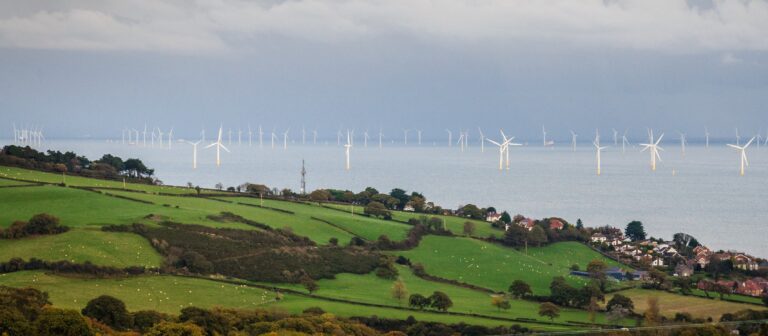
In recent months, EDF Energy has made significant strides in its renewable energy initiatives. The company was awarded contracts to develop two new offshore wind farms off the coast of the UK, with the potential to power millions of homes with clean energy. These projects align with the UK government’s commitment to achieving net-zero carbon emissions by 2050.
Additionally, EDF Energy has enhanced its investment in solar energy projects, launching community-focused initiatives aimed at increasing the accessibility and adoption of solar power. In collaboration with local councils, EDF is planning to install solar panels in various public spaces, promoting renewable energy use among residents.
Innovation and Technology
Aside from renewable energy projects, EDF Energy is also at the forefront of technological innovation, focusing on energy storage solutions and smart grid systems. The company has begun trials using battery storage technology to increase grid stability and reliability, particularly during peak demand periods. This initiative reflects a shift towards modernising energy infrastructure to support a future where renewable sources play a central role.
Challenges Ahead
Despite its advancements, EDF Energy faces several challenges, including regulatory pressures and market competition from other energy suppliers who are also pivoting towards green technologies. The fluctuating prices of fossil fuels present an additional challenge in maintaining economic stability while investing heavily in renewable energy sources. Moreover, the company must continue to engage with stakeholders to understand and navigate consumer concerns about energy pricing and environmental impacts.
Conclusion
As the energy landscape evolves, EDF Energy stands out for its proactive approach to sustainability and technological innovation. Its initiatives not only contribute to the UK’s energy needs but also set a precedent for other energy companies to follow. Looking forward, continued investment in renewable technologies coupled with strategic partnerships will be essential for EDF Energy to retain its position as a leader in the transition towards a low-carbon economy. For consumers, these developments signify a growing shift towards cleaner energy options, promising a more sustainable and resilient energy future.