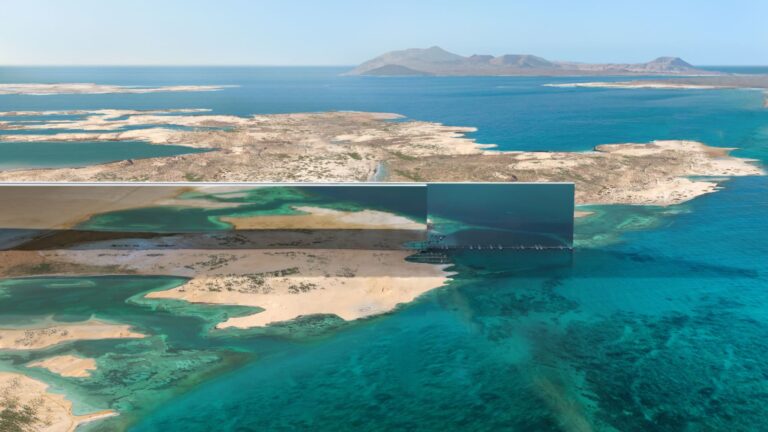
Introduction to NEOM
NEOM, a futuristic city being developed in Saudi Arabia’s northwestern Tabuk Province, represents a bold vision for urban living that aims to merge cutting-edge technology with environmental sustainability. Announced in 2017 by Crown Prince Mohammed bin Salman, NEOM seeks to attract investment and innovation while transforming the region into a global hub for commerce and lifestyle. With a projected investment of $500 billion, NEOM stands as a testament to Saudi Arabia’s ambition to diversify its economy beyond oil dependency, aligning with its Vision 2030 initiative.
The Core Aspects of NEOM
At the heart of NEOM lies several key components designed to set new standards for urban living. The city will feature five unique regions, including an industrial complex, a port, a city centre, a sports and entertainment area, and a designated area for technological advancements. The development will encompass renewable energy systems, integrated living spaces, and the utilization of smart technology to enhance quality of life. Environmental conservation is also a primary focus, with plans to implement sustainable practices throughout the city.
Current Developments
As of late 2023, construction is well underway on various projects within NEOM. The first phase of the development is expected to be completed by 2025, with the completion of the city projected for 2039. Recent announcements indicate that NEOM will incorporate an extensive network of air taxis and autonomous transportation, thereby redefining travel and connectivity within and beyond the city. Major corporations are also being drawn to invest in NEOM, with international partnerships already in place to harness advancements in technology and renewable energy.
Challenges and Criticism
Despite its ambitious goals, the NEOM project faces criticism regarding potential social, environmental, and human rights concerns. Activists have raised alarms over the displacement of local communities and the impact such developments could have on the area’s unique biodiversity. These concerns highlight the necessity for NEOM to navigate balancing bold development with ethical responsibility and sustainability.
Conclusion: The Future of NEOM
NEOM Saudi Arabia embodies a progressive vision for future living, aimed at fostering innovation and sustainability in the urban landscape. As this ambitious project unfolds, its success will depend not only on technological advancements but also on how well it addresses the social and environmental concerns that accompany such a transformative endeavour. Ultimately, NEOM could set new benchmarks in urban development and redefine what it means to live and work in a modern city.