Introduction
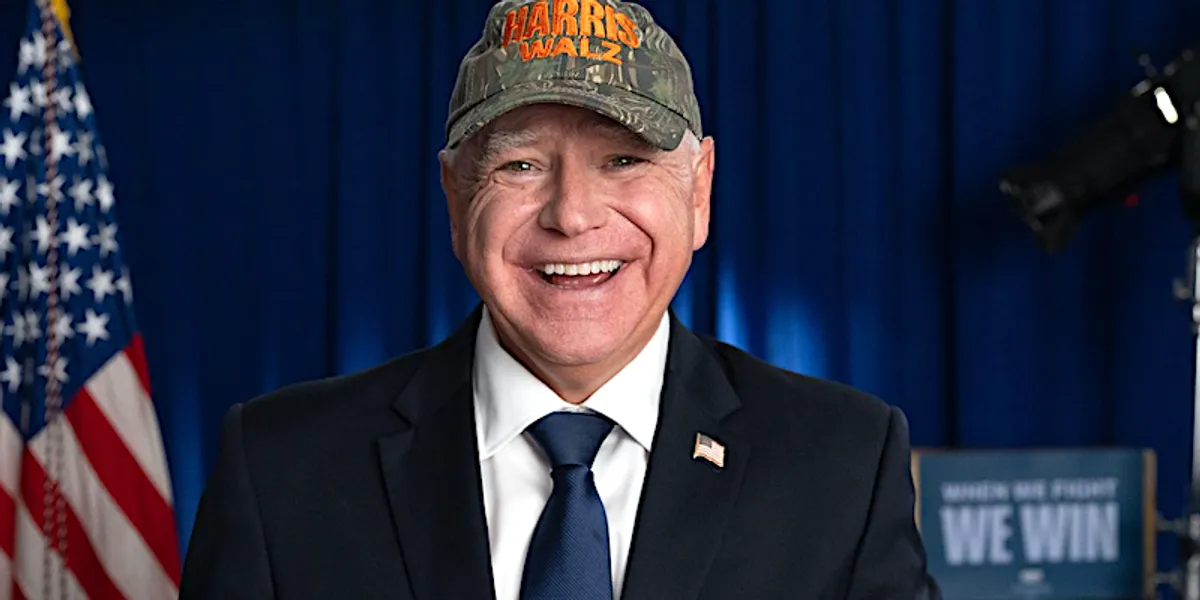
Tim Walz, the 41st governor of Minnesota, has been a prominent figure in the state’s political landscape since taking office in January 2019. His leadership has been especially significant during times of crisis, including the COVID-19 pandemic and social unrest following the death of George Floyd. Understanding Walz’s policies and initiatives is crucial as they have shaped Minnesota’s response to various challenges while also reflecting broader national issues.
Background and Political Career
Before his tenure as governor, Tim Walz served as a U.S. Representative for Minnesota’s 1st congressional district from 2007 to 2019. A former school teacher and National Guard member, Walz has a deep understanding of education and veterans’ affairs. His transition to state governance allowed him to implement policies that focus on economic growth, healthcare, and education reform.
Key Initiatives and Policies
During his time in office, Governor Walz has focused on several key areas:
- COVID-19 Response: Walz responded quickly to the pandemic, implementing mask mandates and vaccination campaigns that have significantly increased vaccination rates in the state. Minnesota has seen a relatively lower rate of severe cases compared to surrounding states due to these measures.
- Education Reform: He has advocated for increased funding for public education, aiming to close the achievement gap and improve resources for teachers and students across the state.
- Economic Development: Walz’s administration has focused on supporting small businesses and promoting job creation through various economic relief programs during the pandemic.
- Health Care: Expanding access to healthcare has been a major priority, with ongoing efforts to lower prescription drug prices and enhance mental health services.
Challenges and Controversies
Despite his efforts, Walz has faced challenges, including criticism from both ends of the political spectrum. His decisions regarding lockdowns and mandates during COVID-19 sparked debates about personal freedoms versus public health. Additionally, the fallout from the George Floyd incident led to demands for police reform, with many calling for more aggressive measures.
Conclusion
As Minnesota continues to navigate through recovery from the pandemic and social issues, Tim Walz’s leadership will remain under scrutiny. His ability to unite differing viewpoints and implement effective policies while maintaining public trust will be critical for his administration moving forward. Minnesotans will undoubtedly be watching closely to see how his initiatives evolve and impact the state’s future.