Introduction
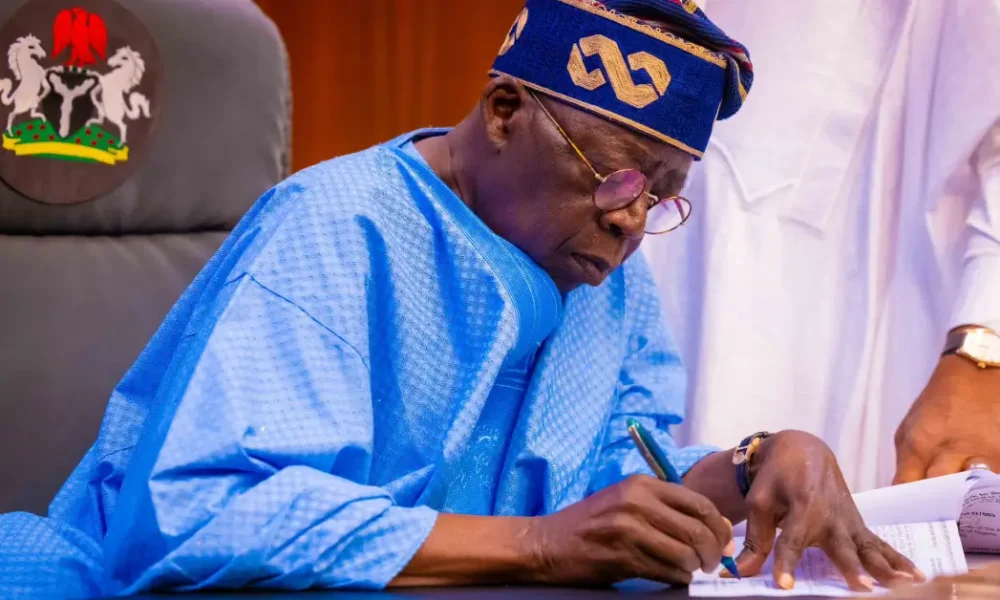
Since assuming office in May 2023, President Bola Ahmed Tinubu has been at the forefront of governance in Nigeria, a nation facing numerous economic and social challenges. His presidency marks a critical juncture in Nigeria’s political landscape, where public expectation is high for reforms that can bolster the economy and enhance the living standards of its citizens. Understanding his approach and policies is essential for grasping the future direction of Nigeria.
Recent Developments
President Tinubu’s administration has already made notable strides in several key areas. One of his first actions in office was the announcement of a comprehensive economic recovery plan aimed at addressing the nation’s inflation and job scarcity rates, which have been exacerbated by global economic conditions and local governance issues. In August 2023, Tinubu introduced a new monetary policy framework designed to stabilise the naira, which has faced significant devaluation pressures.
Additionally, he has sought to improve the energy sector by engaging with local and international investors to revamp the nation’s electricity supply, which has historically been a bottleneck for industrial growth. His government has also stated intentions to fight corruption and enhance transparency across governmental institutions, a promise that resonated with many Nigerians tired of long-term graft issues.
Political Reactions and Challenges
Despite these ambitious plans, Tinubu’s presidency has not been without controversy. Critics have pointed to the slow pace of reforms and the need for broader consultation across different political factions and civil society groups. The recent protests in various cities highlight the growing restlessness among the populace regarding fuel prices and living costs, which have risen sharply since the removal of fuel subsidies earlier this year.
Moreover, Tinubu faces scepticism regarding his administration’s ability to effectively tackle security issues, particularly in Nigeria’s northern regions where terrorism and banditry continue to threaten civilian safety. Addressing these multifaceted crises is crucial for the Tinubu administration to maintain public trust and political stability.
Conclusion
In conclusion, President Tinubu’s administration is navigating a complex landscape marked by both opportunities and challenges. His ability to fulfil promises of economic revival and improved governance will be pivotal in shaping Nigeria’s trajectory. As the nation watches closely, the next few months will be crucial in determining whether his policies can lead to meaningful change, fostering a sense of hope among Nigerians for a better future.