










Introduction
Crime, a persistent concern for communities worldwide, continues to adapt and evolve with the times. Understanding current trends in crime rates is crucial for public safety, law enforcement strategies, and informing policy decisions. This exploration into crime dynamics not only highlights shifts in criminal behaviour but also their broader implications for society.
Current Crime Trends
Recent statistics from the Office for National Statistics (ONS) indicate a fluctuation in crime rates across various categories in the UK. Overall crime levels saw a 9% decline in the last year, largely attributed to the decreased instances of burglary and theft, possibly due to heightened security measures and public awareness.
However, violent crime remains a pressing issue, with figures revealing a 5% increase in reported incidents. Notably, knife crime has sparked concern, particularly in urban areas, where youth violence is frequently linked to gang activity. The rise of online crime has further complicated the landscape, with cybercrime cases increasing significantly during the pandemic as more individuals turned to the internet for daily activities.
Impact of Socioeconomic Factors
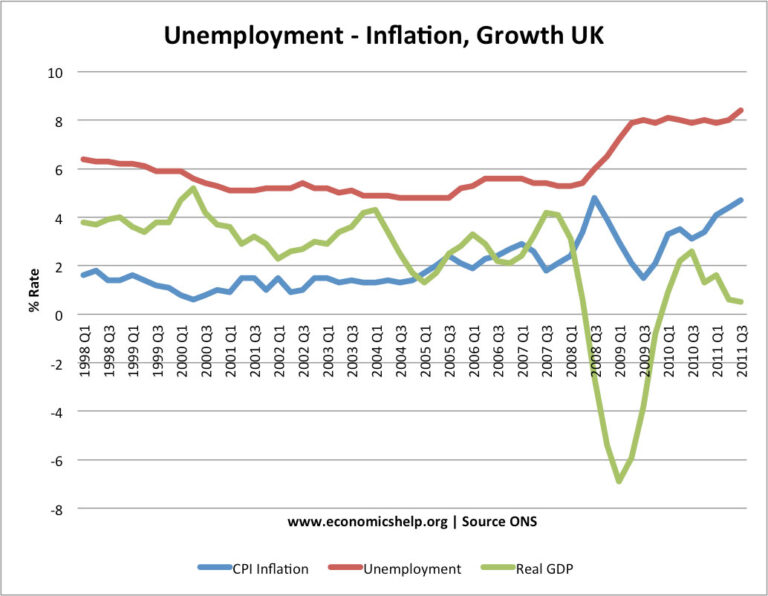
The socioeconomic context plays a pivotal role in shaping crime dynamics. Economic struggles exacerbated by the COVID-19 pandemic have created more opportunities for crime, as individuals face financial hardships. Research suggests that areas with higher unemployment rates often experience increased crime, pushing some towards illicit activities as a means of survival.
Responses from Law Enforcement and Government
In response to these trends, the government and law enforcement agencies have ramped up initiatives aimed at crime prevention. Strategies such as community policing and increased funding for mental health services are being implemented to address the root causes of crime. Furthermore, technology-based solutions, including crime prediction software, are gaining traction as a means to allocate police resources more effectively.
Conclusion
As crime continues to evolve, it is vital for communities and law enforcement to remain informed and adaptive. The focus on prevention and addressing underlying issues, rather than solely punitive measures, may lead to more sustainable solutions. Understanding the trends and factors influencing crime can empower communities to foster safer environments and encourage collaboration between residents and law enforcement. With the right strategies in place, it is possible to mitigate rising crime rates and build a more resilient society.