










Introduction
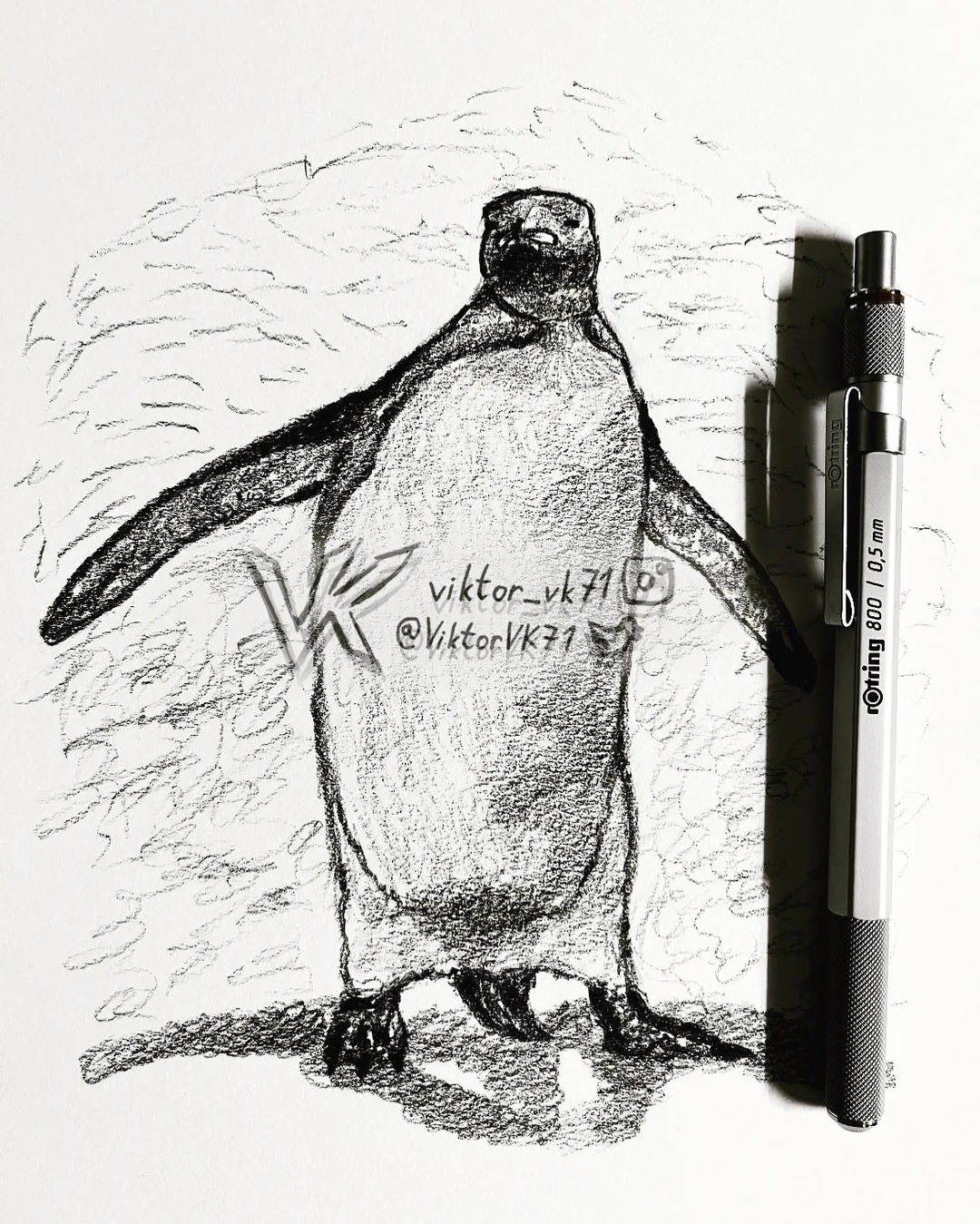
Penguins are flightless birds and a significant part of the ecosystem, particularly in the Southern Hemisphere. With their charming waddles and iconic tuxedo-like appearance, they capture the hearts of many and draw tourists to their natural habitats. The relevance of understanding penguins is underscored by their roles as indicators of marine health and the ongoing conservation efforts required to protect them from climate change.
Biology and Natural Habitat
There are 18 species of penguins, ranging from the small Little Blue Penguin, measuring about 30 cm tall, to the Emperor Penguin, which stands nearly 1.2 metres. They are primarily found in regions like Antarctica, but some species inhabit temperate and even tropical climates, such as the Galápagos Penguin. Penguins possess unique adaptations, like a layer of blubber for insulation and wings modified into flippers that allow them to excel in swimming, making them agile predators of the sea.
Conservation Challenges
Unfortunately, many penguin species are currently facing severe threats. Climate change is causing melting ice, affecting breeding grounds and food availability. Overfishing and marine pollution also pose significant risks to their survival. The International Union for Conservation of Nature (IUCN) lists several species as endangered, including the African Penguin and the Yellow-eyed Penguin. Recent studies indicate that some populations have seen declines of up to 80% over the past few decades.
Recent Conservation Efforts
Conservation organisations are stepping up efforts to protect penguins, focusing on habitat restoration and sustainable fishing practices. For instance, the Global Penguin Society has initiated various projects aimed at reducing human-penguin conflicts and improving breeding success rates. Community engagement, such as beach clean-ups and awareness campaigns, has also become critical in protecting these beloved birds.
Conclusion
In summary, penguins are more than just an adorable part of the animal kingdom; they serve as vital indicators of environmental change. Protecting them is essential for preserving marine ecosystems. As climate change continues to impact their habitats, increased awareness and conservation actions will play a crucial role in their survival. Readers are encouraged to support penguin conservation efforts and consider how their choices can contribute to a healthier planet.