









Introduction
The National Grid is a vital component of the United Kingdom’s energy infrastructure, facilitating the distribution of electricity and gas across the nation. It serves as an interconnected network that ensures reliable energy delivery to homes and businesses. Understanding how the National Grid operates is essential not only for energy professionals but also for consumers who rely on consistent energy supplies.
Structure and Functionality
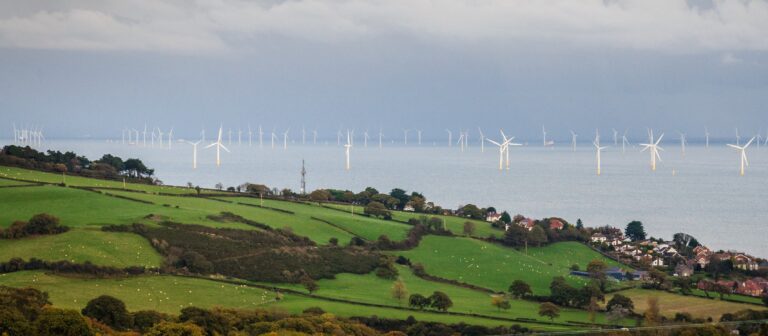
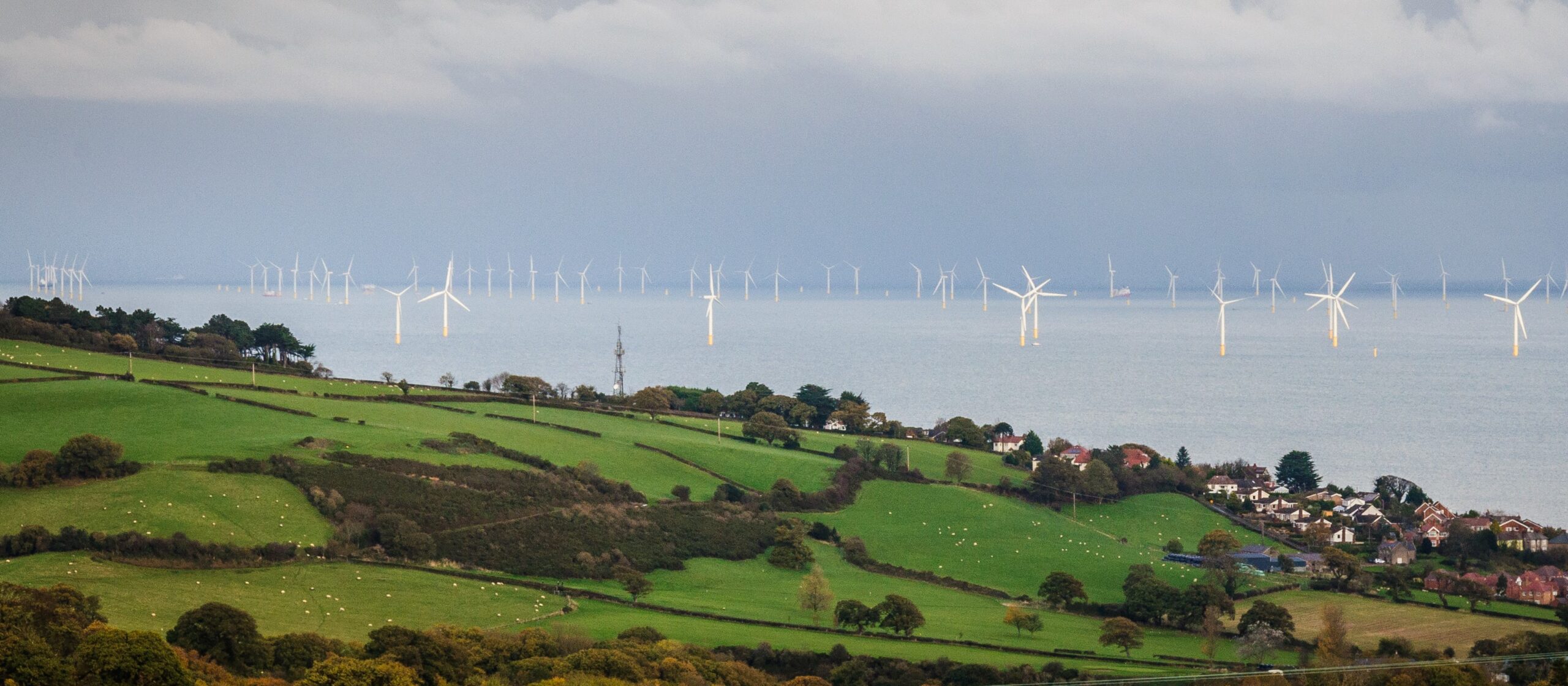
The National Grid is operated by National Grid plc, which is responsible for balancing supply and demand for electricity around the clock. This grid includes a vast network of pylons, substations, and cables that carry electricity from power stations to consumers. In recent years, the National Grid has been adapting to the increasing integration of renewable energy sources, such as wind and solar power, which has transformed the traditional energy landscape. The shift towards renewables aligns with the UK’s commitment to carbon reduction and environmental sustainability.
Recent Developments
In 2023, the National Grid announced significant investments aimed at enhancing grid resilience and capacity. The introduction of battery storage systems is one such development, allowing excess energy generated during peak renewables production to be stored and used when demand is high. Additionally, projects aimed at expanding interconnectors between the UK and its European neighbours are in progress. These interconnectors will help to diversify energy sources and improve security during unexpected supply shortages.
Challenges Ahead
Despite its essential role, the National Grid faces several challenges, including ageing infrastructure, escalating energy demand, and the ongoing transition to greener energy. Additionally, regulatory frameworks are evolving, and operators must navigate the complexities of new legislation to maintain energy reliability while advancing sustainability goals. Also, the impacts of climate change present new risks, necessitating adaptative strategies to manage potential disruptions.
Conclusion
The National Grid is fundamental to the UK’s energy security and economic stability. As it continues to evolve with advances in technology and changes in the energy market, its role in facilitating a transition to a low-carbon economy is more crucial than ever. For consumers and businesses alike, staying informed about developments in the National Grid can lead to better energy choices and preparedness for future challenges.