









Introduction to Nipah Virus
The Nipah virus is a zoonotic pathogen that poses serious health risks to humans and animals. It has gained attention recently due to new outbreaks reported in South Asia and its potential for severe illness. Understanding the Nipah virus is crucial not only for public health officials but also for communities potentially affected by future outbreaks.
Nipah Virus Outbreaks in 2023
As of 2023, outbreaks of the Nipah virus have been reported in Bangladesh and India. According to the World Health Organization (WHO), there have been a total of 300 confirmed cases since its first identification in 1998, with fatality rates varying between 40% to 75%. The recent cases, primarily in Kerala, India, have revived fears of spread, leading to increased surveillance and quarantine measures in affected areas.
Transmission and Symptoms
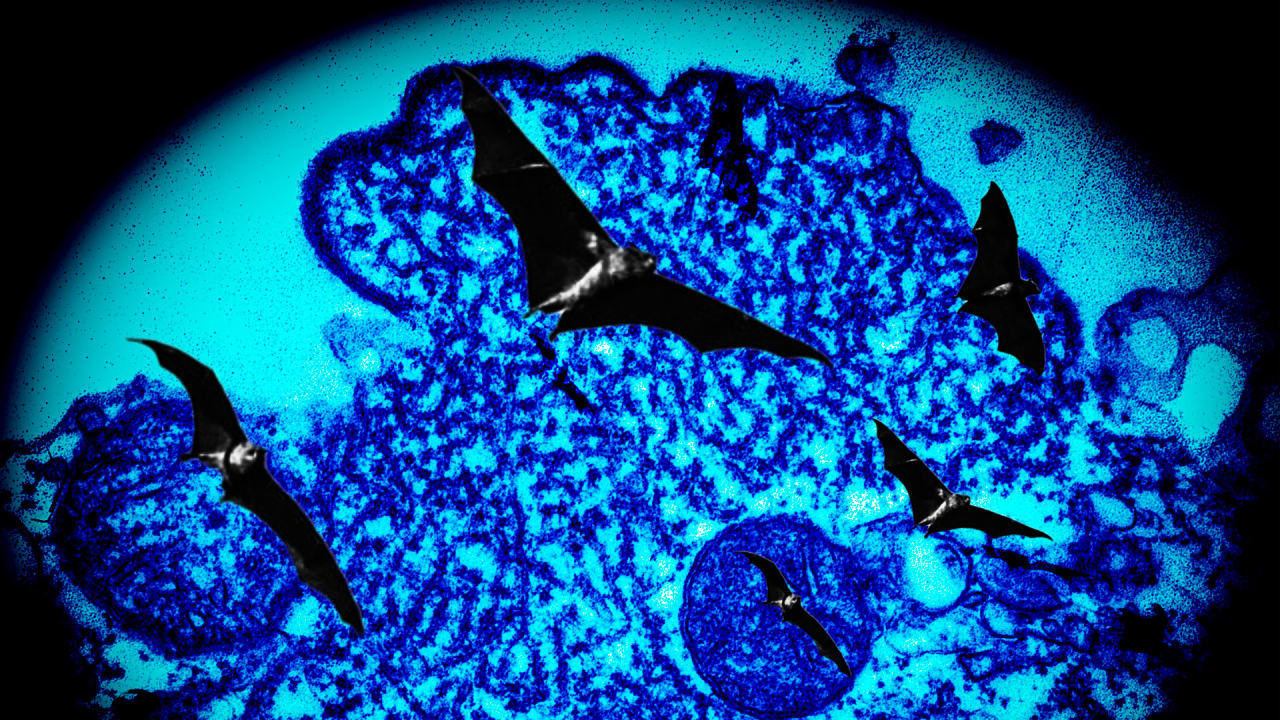
The Nipah virus is typically transmitted from animals to humans, predominantly via direct contact with infected fruit bats or porcine reservoirs. Human-to-human transmission has also been reported, particularly in family clusters.
Symptoms of Nipah virus infection can include fever, headache, dizziness, and respiratory symptoms. Severe cases may progress to acute respiratory distress syndrome (ARDS) or encephalitis, leading to neurological disorders or death. The incubation period can range from 5 to 14 days, making swift identification and response critical in containing outbreaks.
Public Health Implications
Given its high mortality rate and potential for widespread transmission, health officials stress the importance of international cooperation in monitoring and controlling Nipah outbreaks. The recent rise in cases highlights the need for improved epidemiological surveillance and rapid response strategies. Vaccines and antiviral treatments are currently in development, but have not yet been widely implemented due to logistical challenges.
Conclusion and Future Outlook
As outbreaks continue to emerge, public awareness and education on the Nipah virus will be vital. Increased clarification on symptoms and risk factors can help communities protect themselves. There is an urgent need for intensified research on vaccines to curb the spread of the virus and safeguard public health. Continued vigilance from health authorities and community engagement will be essential in managing the threats posed by the Nipah virus.