







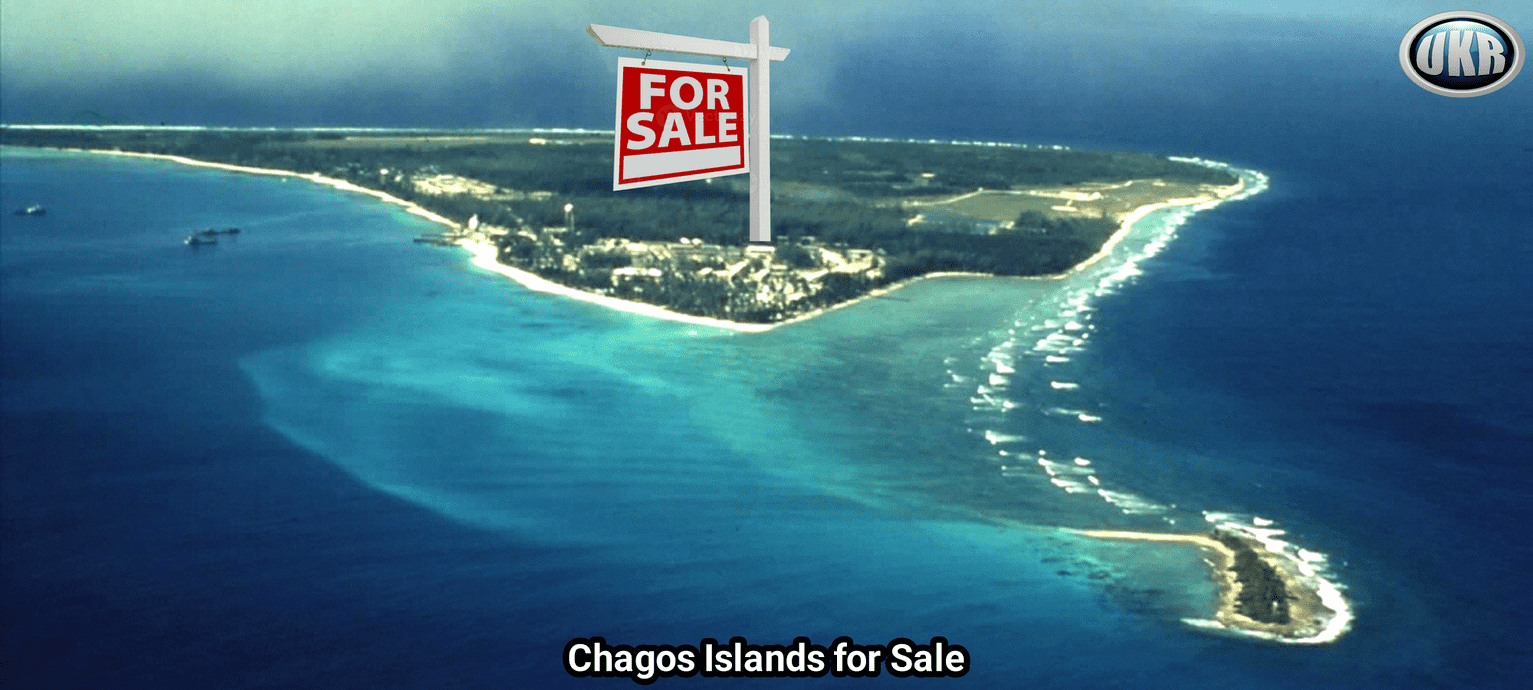
Introduction to the Chagos Archipelago
The Chagos Archipelago, located in the Indian Ocean, consists of over 60 islands and is a territory of significant geopolitical importance. The underlying disputes surrounding its sovereignty highlight complex issues of colonial legacy, international law, and human rights. The archipelago has been the subject of an ongoing territorial claim by Mauritius and has also drawn global attention due to its strategic military significance, particularly regarding the United States’ use of Diego Garcia as a military base.
Historical Context
The history of the Chagos Archipelago can be traced back to the colonial period. The British took control of the islands from France in 1814 and established a plantation economy, with labour sourced from enslaved people. During the 1960s, as decolonisation swept through Africa, the UK separated the Chagos Archipelago from Mauritius, maintaining control to establish a military base on Diego Garcia, which plays a crucial role in US military operations in the region.
Human Rights Issues
The relocation of the indigenous Chagossians, or Ilois, began in 1965 when the British government forcibly removed the entire population to facilitate the creation of the military base. This has led to a protracted legal battle for the Chagossians, who seek recognition of their rights and the right to return to their homeland. In 2019, the International Court of Justice (ICJ) ruled in favour of Mauritius, stating that the UK had no legal basis for its continued administration of the territory, although the ruling does not hold binding power.
Current Events and Relevance
As of 2023, the situation remains tense, with the UK maintaining its claim despite international pressure. In recent months, Mauritius has intensified its diplomatic efforts, garnering support from fellow nations and international organisations to bolster its claim over the islands. More than 100 nations have, in various capacities, backed the rights of the Chagossians and Mauritius regarding the archipelago. Furthermore, discussions around environmental conservation and sustainable development on the islands are becoming increasingly relevant, as the region houses unique ecosystems threatened by climate change.
Conclusion
The Chagos Archipelago is not only a geographical territory but a symbol of colonial history, human rights issues, and international relations today. As diplomacy continues to evolve around the future of the archipelago, the rights of the Chagossians and the legal ownership by Mauritius remain contentious. The implications of the dispute extend beyond the islands, reflecting broader issues of sovereignty and international law. It is crucial for citizens and policymakers alike to understand these dynamics as they continue to shape the geopolitics of the Indian Ocean region.