










Introduction
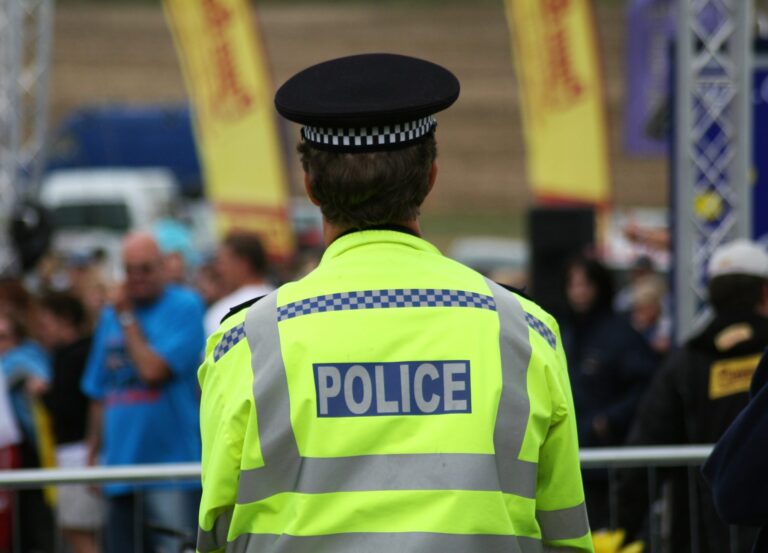
Police officers play a crucial role in safeguarding communities, enforcing laws, and maintaining public order. Their presence and actions are essential in fostering a sense of security, yet this profession has faced increasing scrutiny and challenges in recent years. As discussions about reform and community relations continue, understanding the significant role officers play becomes even more relevant.
Current Developments in Policing
Recent events across the globe, particularly in the UK, have spotlighted the evolving nature of policing. In the aftermath of protests against police brutality, police departments are reassessing their training and community engagement strategies. For instance, the National Police Chiefs’ Council (NPCC) has initiated new guidelines focusing on community-oriented policing methods. These include de-escalation techniques, cultural competency training, and mental health awareness programs.
Moreover, the role of technology in policing has expanded, with officers increasingly using body-worn cameras and data analytics to enhance transparency and accountability. According to a report by the College of Policing, there has been a notable increase in officers adopting technological tools that aid in evidence collection and public interaction.
Community Engagement and Trust Building
Building trust with communities has become a top priority for many police forces across the UK. Initiatives such as community policing, where officers regularly engage with local residents, have seen a positive impact on crime rates and public perception. The Metropolitan Police Service has adopted a proactive approach called the “Safer Neighbourhoods” framework, which emphasizes collaboration between officers and community members to address local issues.
Additionally, the establishment of community advisory boards has allowed residents to voice their concerns and suggestions, which helps bridge the gap between law enforcement and the communities they serve. This approach aims to foster a spirit of cooperation and mutual respect.
Conclusion
As police officers continue to navigate the intricacies of modern law enforcement, it is clear that their role is more important than ever. By embracing reform, engaging with their communities, and utilizing new technologies, they can enhance public trust and effectively address the evolving challenges of crime prevention and community safety. Looking ahead, it will be essential for police forces to remain adaptable and responsive to the needs of the communities they serve, ensuring a safer and more secure environment for all. The ongoing dialogue surrounding the role of police officers is vital, as it shapes both their future and the future of community relations in the UK.