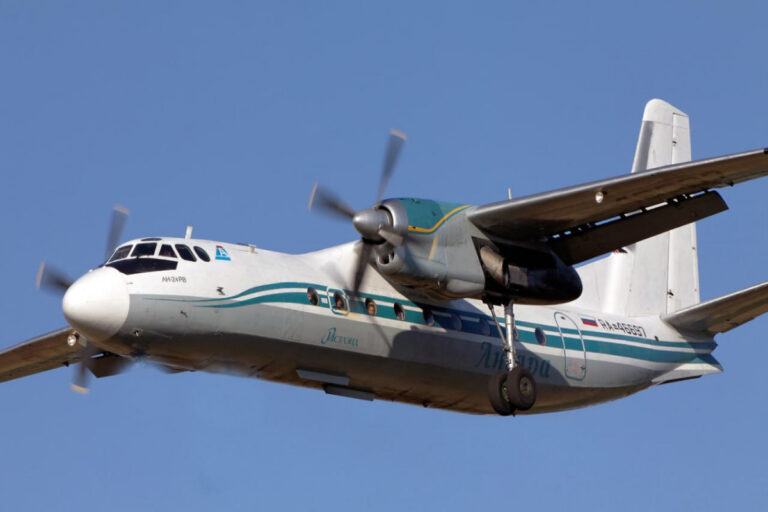









Introduction: The Significance of Pilots in Aviation
Pilots play a crucial role in the aviation industry, ensuring the safety and efficiency of air travel worldwide. With air traffic continuing to increase, understanding the evolving responsibilities of pilots is essential for appreciating how they contribute to modern aviation operations.
The Current State of Pilots in Aviation
The aviation sector has demonstrated resilience and adaptability during the challenges posed by the COVID-19 pandemic. As the industry recovers, the demand for qualified pilots has surged. According to a recent report by the Boeing Company, the global demand for new pilots is projected to exceed 600,000 over the next twenty years, primarily to meet the needs of the expanding fleet and retirements of existing pilots.
Training for pilots has also evolved. Traditional flight training methods are now complemented by advanced simulation technologies that provide aspiring pilots with invaluable experience in varied scenarios, enhancing their preparedness for real-life challenges. Furthermore, the use of augmented reality (AR) and virtual reality (VR) in pilot training is becoming more commonplace, allowing trainees to handle complex operations without the need for extensive flight hours.
Technological Advancements and Their Impact
The introduction of automation and artificial intelligence in aviation is changing the landscape of piloting. Modern aircraft are equipped with sophisticated autopilot systems designed to handle numerous flight tasks. While this technology can significantly enhance safety and efficiency, concerns arise regarding the potential over-reliance on automated systems. Consequently, pilots are now required to adapt their skill sets to effectively manage and monitor these advanced systems, maintaining a balance between manual flying and automation.
Moreover, pilots are increasingly taking on roles beyond merely flying the aircraft. They are now essential in conducting pre-flight risk assessments, managing in-flight operations, and ensuring communication with air traffic control and cabin crew. This multifaceted role is vital in maintaining not only the aircraft’s safety but also the overall passenger experience.
Conclusion: The Future of Pilots in Aviation
As the aviation industry continues to evolve, the role of pilots will remain indispensable. With increasing automation, the emphasis will be on advanced decision-making and crisis management skills. Educational institutions and flight schools are expected to adapt their curricula to better prepare future pilots for these challenges.
Ultimately, the profession of piloting is on the brink of significant transformation, blending traditional flying skills with advanced technological competencies. For aspiring pilots, this evolution presents an exciting opportunity to contribute to the future of aviation while ensuring safe and efficient travel for all. The demand for skilled pilots is unlikely to wane, making it a promising career for the coming generations.