









Introduction
Cameras have become an integral part of modern life, shaping the way we capture, share, and experience moments. With the rise of social media and digital technology, the importance of cameras has extended beyond professional use to everyday consumers. Understanding the evolution of cameras and their impact on photography is essential for appreciating the images we create and consume today.
The History of Cameras
The history of cameras dates back to the early 19th century. The first photograph, taken by Joseph Nicéphore Niépce in 1826, used a rudimentary camera obscura. Over the decades, advancements led to the invention of the daguerreotype, the first practical photographic process, developed by Louis Daguerre in 1839. This marked the beginning of a slow transformation in photographic technology.
By the late 19th and early 20th centuries, cameras had become more accessible to the general public, thanks to companies like Kodak, which introduced the first mass-market camera in 1888. This innovation shifted photography from a specialized craft to a popular pastime.
The Digital Revolution
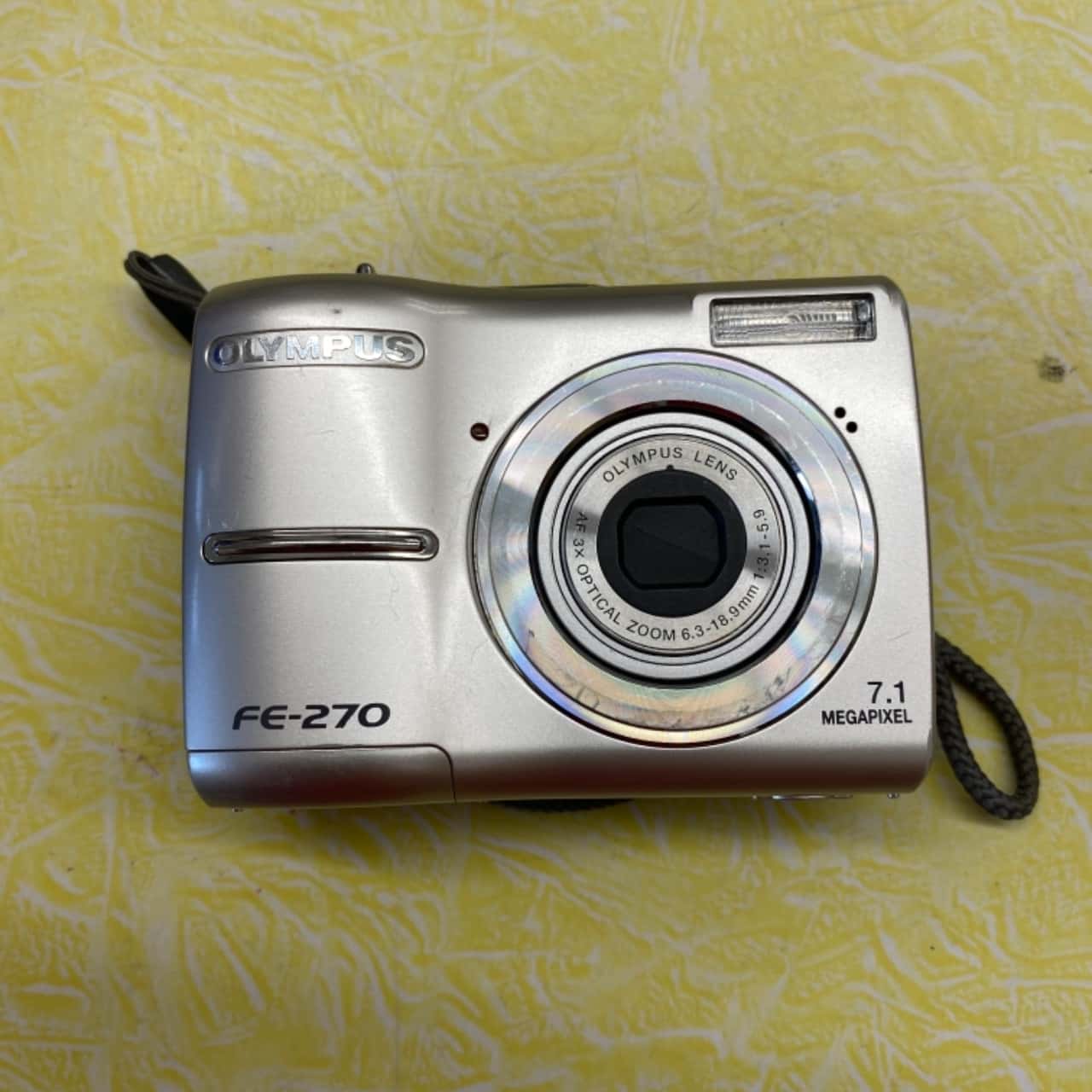
With the transition to the digital age in the late 20th century, cameras underwent a drastic transformation. Digital cameras, including compact, DSLR, and mirrorless models, began to dominate the market. These cameras provide high-quality images, ease of use, and the ability to instantly view photographs. Notably, the introduction of smartphones with advanced camera capabilities has revolutionised photography, allowing individuals to capture high-quality images on-the-go.
Current Trends in Camera Technology
Today, cameras are equipped with numerous innovative features including high-resolution sensors, image stabilisation, and Wi-Fi connectivity. Additionally, artificial intelligence is increasingly being integrated into camera systems to enhance image processing and automatic settings, making photography easier for novices and professionals alike.
In recent years, trends such as mirrorless cameras and smartphone photography dominate the market, encouraging manufacturers to continually improve image quality and functionality. The popularity of social media platforms has also stimulated a demand for superior image quality and creative tools, reshaping consumer expectations.
Conclusion
As we look towards the future, cameras will undoubtedly continue to evolve, integrating emerging technologies such as augmented reality and machine learning. For photography enthusiasts and casual users alike, understanding these advancements is crucial in appreciating both the art and science of photography. The remarkable journey of cameras from simple, box-like structures to sophisticated digital devices highlights the importance of innovation in capturing the world around us. As we embrace this evolution, the potential for creativity and storytelling through photography has never been greater.