










Introduction
Television has long been considered a cornerstone of contemporary society, influencing entertainment, culture, and communication on a global scale. In an age where digital media proliferates, the role of television continues to evolve, adapting to changing viewer habits and technological advancements. This article examines the current state of television, its significance in modern life, and what the future may hold for this enduring medium.
The Transformation of Television
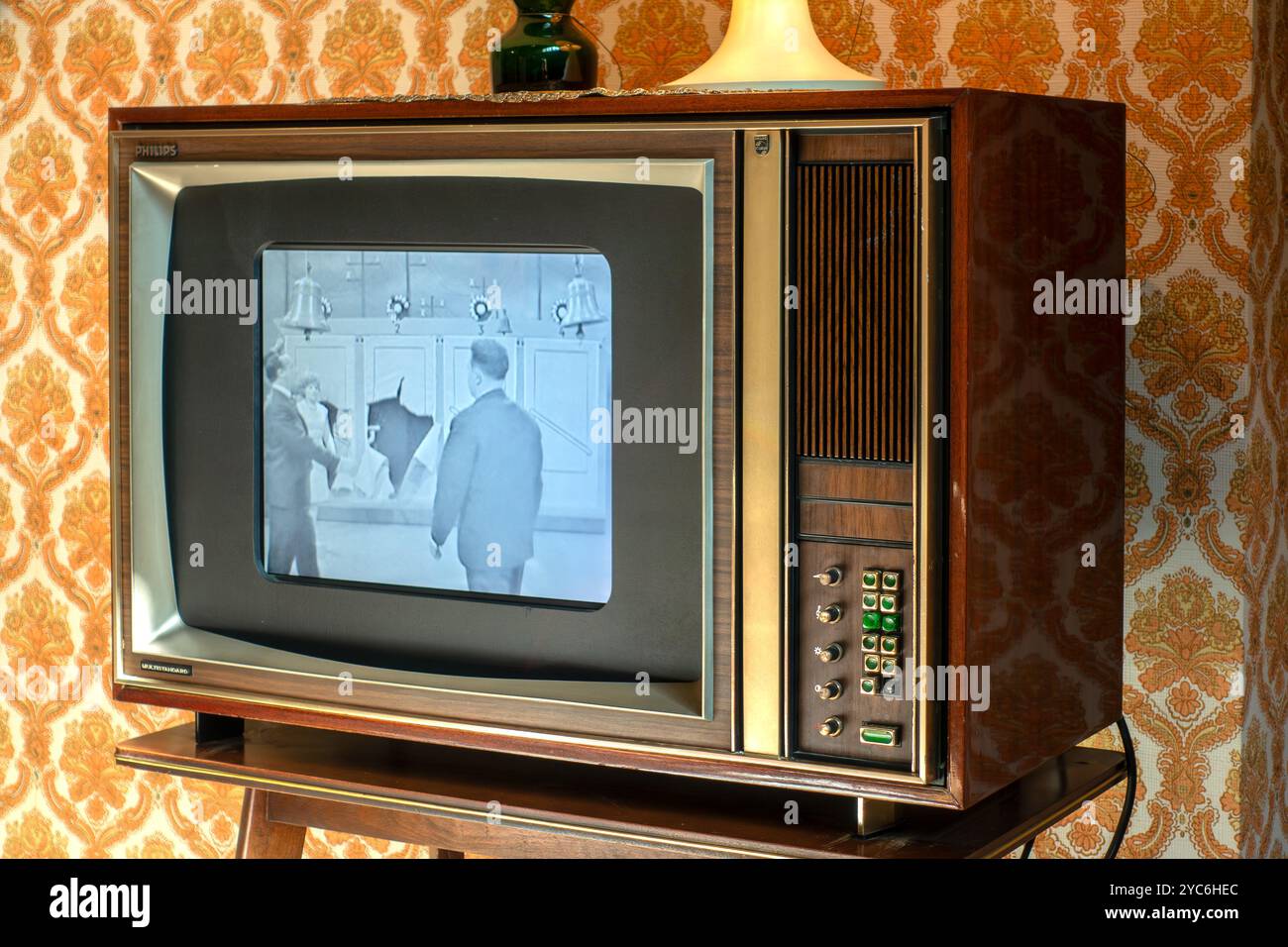
The landscape of television has changed dramatically since its inception in the early 20th century. From black-and-white broadcasts to the explosion of colour and high-definition formats, television has continually adapted to enhance viewer experience. The introduction of streaming services like Netflix and Amazon Prime has further transformed the industry, shifting audience preferences from traditional cable packages to on-demand content, often accessed via smart devices.
Recent statistics from Ofcom’s report show that the average UK adult now spends about 3 hours and 12 minutes watching TV each day. Interestingly, while traditional linear TV viewing has declined, streaming services have surged, indicating that audiences are still engaging with television content, albeit in different formats.
Cultural Impact
Television plays a significant role in shaping cultural conversations. Shows such as ‘The Crown,’ ‘Killing Eve,’ and various reality TV formats have sparked discussions around important social issues, including race, gender, and politics. The format not only entertains but also informs, creating a platform for dialogue and awareness. Furthermore, international television content is becoming increasingly popular through platforms like BBC iPlayer and global streaming services, enriching cultural exchange.
Technological Advancements
Technological innovations have also enhanced the capabilities of television. Features like 4K resolution, smart TVs, and interactive streaming options are not just improving viewer experience but also changing how content creators engage with their audiences. With the integration of Artificial Intelligence, personalised content recommendations and targeted ads are becoming commonplace, ensuring that viewers receive content tailored to their interests.
Conclusion
As television continues to adapt to the digital age, its relevance in society remains undeniable. While the medium faces challenges from emerging platforms and changing viewing habits, it persists as a vital source of information and entertainment. Looking ahead, the convergence of television with emerging technologies such as virtual reality and 5G could herald a new era for this beloved medium, ensuring that it remains a central part of our lives for years to come. The future of television promises to be as dynamic and transformative as its past, maintaining its position as a key player in global culture and communication.