










Introduction
As the world faces unprecedented climate challenges and an increasing demand for sustainable practices, the topic of energy has never been more crucial. Energy production and consumption directly impact environmental sustainability, economic development, and social equity. In recent years, there has been a significant shift towards renewable energy sources, as governments and organisations strive to reduce carbon emissions and combat climate change. This article aims to explore the current trends and innovations in the energy sector that are shaping our future.
Current Trends in Energy
Renewable energy is leading the way in the sector. A report by the International Energy Agency (IEA) indicates that renewables, particularly solar and wind power, are on track to become the dominant source of electricity generation globally by 2025. In 2020, renewable sources accounted for 29% of the global electricity generation, a figure expected to rise sharply as technology improves and costs decrease.
Additionally, energy storage technology has seen remarkable advancements, crucial for managing the intermittent nature of renewable energy. Lithium-ion batteries are becoming more affordable and efficient, promoting the growth of electric vehicles (EVs) and enabling homes to store excess solar energy for later use. The market for battery storage is projected to exceed USD 100 billion by 2028, underscoring the vital role of storage solutions in the energy transition.
Government Policies and Investments
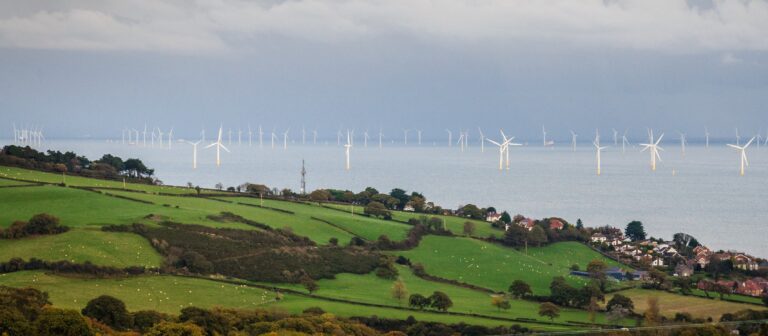
Government policies are pivotal in shaping the energy landscape. Many countries are implementing aggressive targets to achieve net-zero emissions by 2050, prompting investments in renewable energy infrastructure. The UK government, for instance, has committed to phasing out coal-fired power plants by 2024 and increasing offshore wind capacity to 40 gigawatts by 2030. Similar actions are being taken across Europe and North America, leading to a global shift towards clean energy.
Innovations in Technology
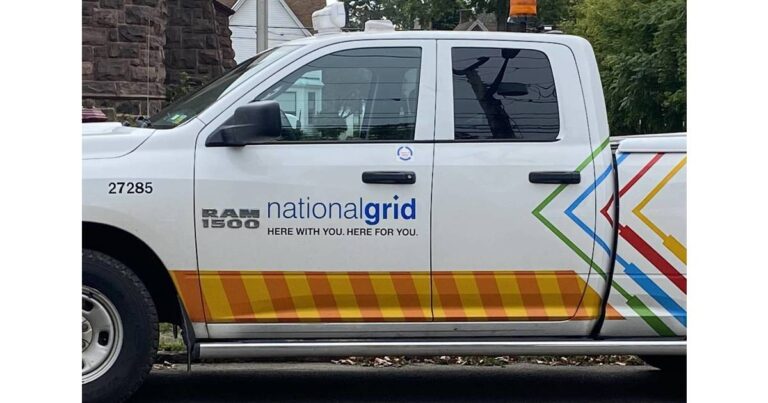
Technological innovations are revolutionising energy systems worldwide. Smart grids, powered by IoT technology, allow for more efficient energy distribution, enhancing the ability to balance supply and demand while integrating renewable energy sources. Innovations in hydrogen production, particularly green hydrogen generated from renewable energy, are also emerging as a potential game changer in decarbonising heavy industries.
Conclusion
The future of energy is undoubtedly leaning towards sustainability, driven by technological innovations and supportive government policies. As the world moves towards cleaner energy sources, it is crucial for businesses, governments, and individuals to adapt to these changes. The transition to renewable energy not only addresses environmental concerns but also presents significant economic opportunities for growth. Stakeholders must collaborate to ensure a resilient and sustainable energy sector that meets the needs of future generations.