





Introduction
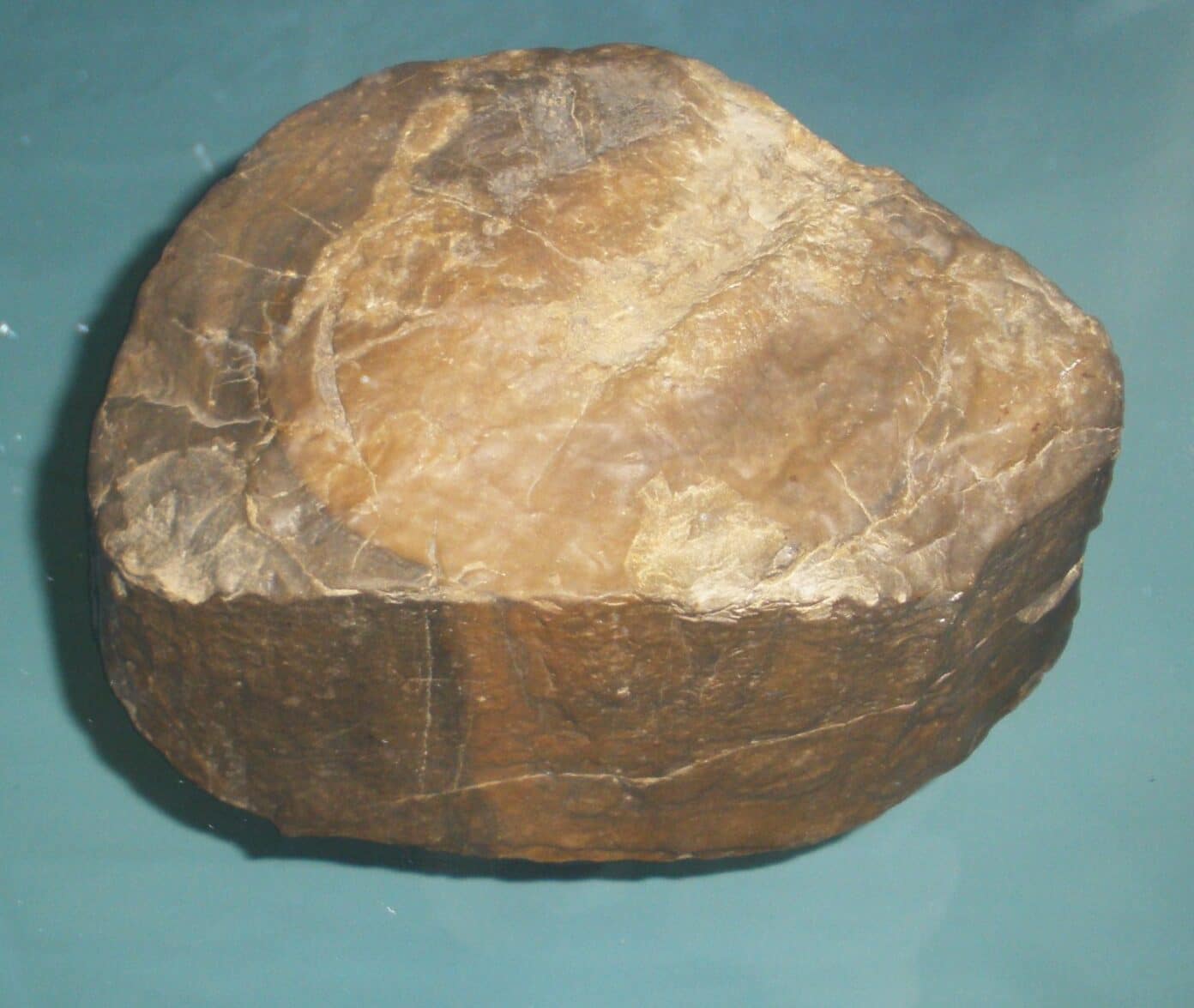
The discovery of Prototaxites fossils represents a significant moment in paleobotanical research, shedding light on ancient ecosystems.
What is Prototaxites?
Prototaxites is a unique genus of giant fungi that lived during the Silurian to Devonian periods, approximately 420 to 350 million years ago. These ancient organisms could reach heights of over eight metres, making them some of the largest living entities of their time. The peculiar structure of Prototaxites has puzzled scientists for over a century, as it straddles the line between fungi and plants.
Recent Discoveries in Scotland
Recent excavations in the Scottish region of North East Fife have revealed significant deposits of Prototaxites fossils. These findings are notable due to Scotland’s rich geological history, providing insights into the terrestrial ecosystems of the Devonian period. The research team, led by Dr. Fiona McLeod from the University of Edinburgh, has gathered crucial data indicating that these fossils likely thrived in a warm, climate-altered landscape, dotted with early vascular plants.
Scientific Significance
The Prototaxites fossils found in Scotland are critical for understanding the evolution of land ecosystems. Unlike many other organisms of their time, Prototaxites likely played an essential role in the nutrient cycling of early soil systems. Their massive structures could have provided habitats for various prehistoric creatures, affecting biodiversity and ecological networks. Moreover, ongoing studies will enhance understanding of how such giants adapted to their environments during a time of significant climatic transition on Earth.
Future Research Directions
As research intensifies, scientists favour further excavations across Scotland, hoping to unearth more Prototaxites specimens. Such discoveries could yield insights into how ancient fungi interacted with early land plants and contributed to the geological record. By better understanding the role of Prototaxites, researchers aim to reconstruct fundamental aspects of Earth’s biological history, which could have implications for modern ecology and conservation efforts.
Conclusion
The discovery of Prototaxites fossils in Scotland marks a remarkable advancement in the field of paleobotany, illustrating the complexity and diversity of ancient life. By studying these massive organisms, scientists hope to unveil the early strategies of life that shaped the planet’s ecological frameworks. The significance of such findings continues to inspire both current and future generations of researchers, providing a clearer picture of our planet’s evolutionary past.