









Introduction
Attention Deficit Hyperactivity Disorder (ADHD) is a common neurodevelopmental disorder that affects millions of children and often persists into adulthood. With growing awareness and diagnosis rates, understanding ADHD is more important than ever. The relevance of this condition cannot be understated, as ADHD not only impacts individuals but also has profound implications for families, schools, and workplaces.
What is ADHD?
ADHD is characterised by symptoms of inattention, hyperactivity, and impulsivity. According to the NHS, approximately 1 in 20 children in the UK is diagnosed with ADHD, although many remain undiagnosed. Symptoms can manifest in various ways, such as difficulty in maintaining focus, excessive fidgeting, and impulsive decision-making. These behaviours can lead to challenges in academic performance, relationships, and self-esteem.
Current Developments and Research
Recent studies have shown an increase in the diagnosis of ADHD, particularly during the pandemic, with many children experiencing heightened anxiety and changes to routine. The UK has responded by expanding access to assessment and treatment options, including medication, therapy, and supportive educational resources. New guidelines issued by the National Institute for Health and Care Excellence (NICE) recommend personalised interventions tailored to individual needs, underscoring the importance of comprehensive support systems.
Living with ADHD
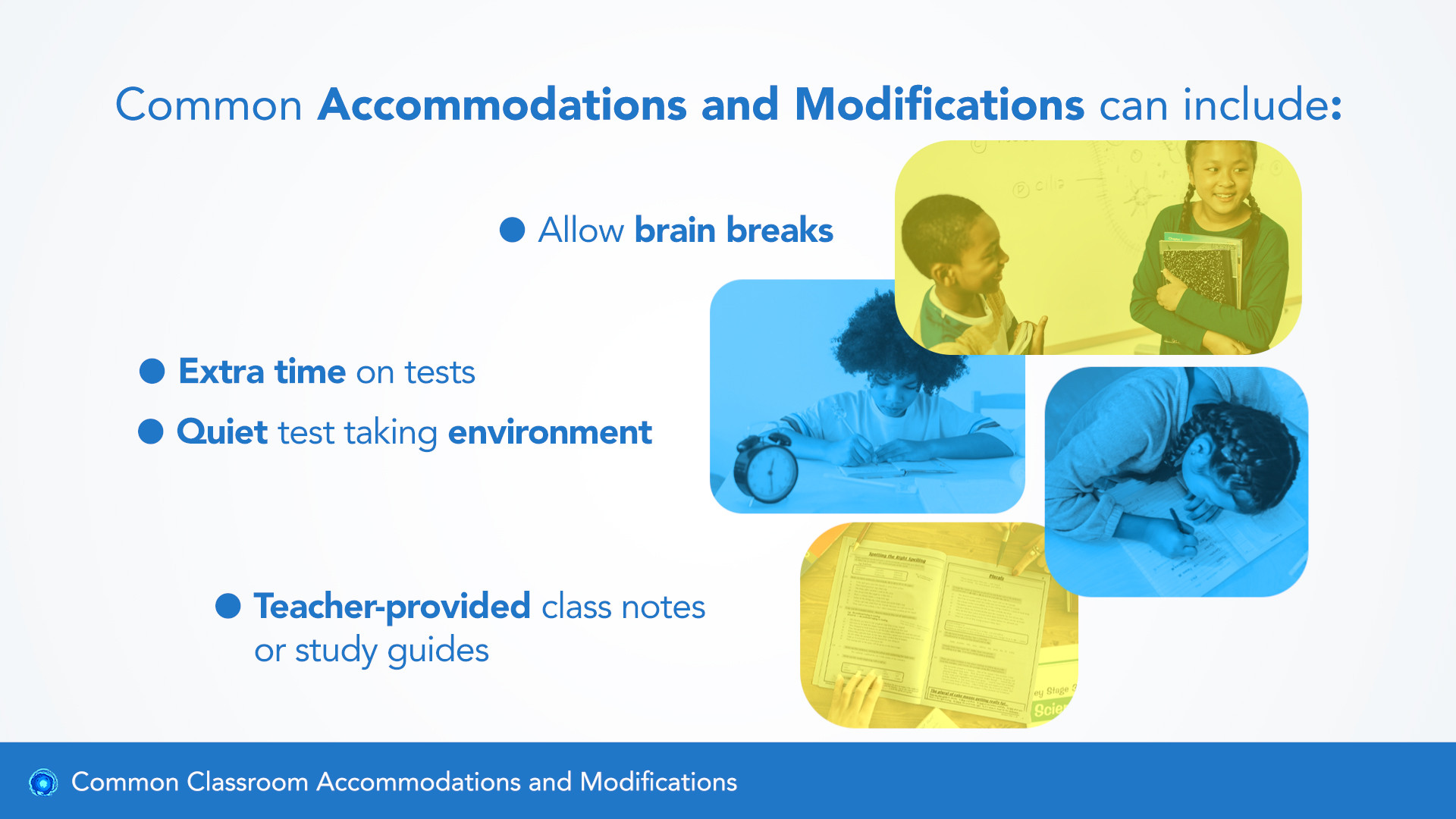
For individuals with ADHD, the daily challenges can be overwhelming. However, increasing awareness and education can drastically improve their quality of life. Schools are implementing strategies to support students with ADHD, such as structured environments, clear expectations, and the flexibility to accommodate various learning styles. Families are encouraged to seek professional guidance and connect with local support groups to share experiences and strategies for coping.
Conclusion
As awareness of ADHD continues to grow, it is essential to foster understanding and compassion for individuals affected by the disorder. Early diagnosis and tailored support can significantly enhance their lives, promoting success in various aspects of society. As we move forward, continued research, community support, and education will be vital in breaking down the stigmas associated with ADHD and improving the lives of those it affects.