








Introduction
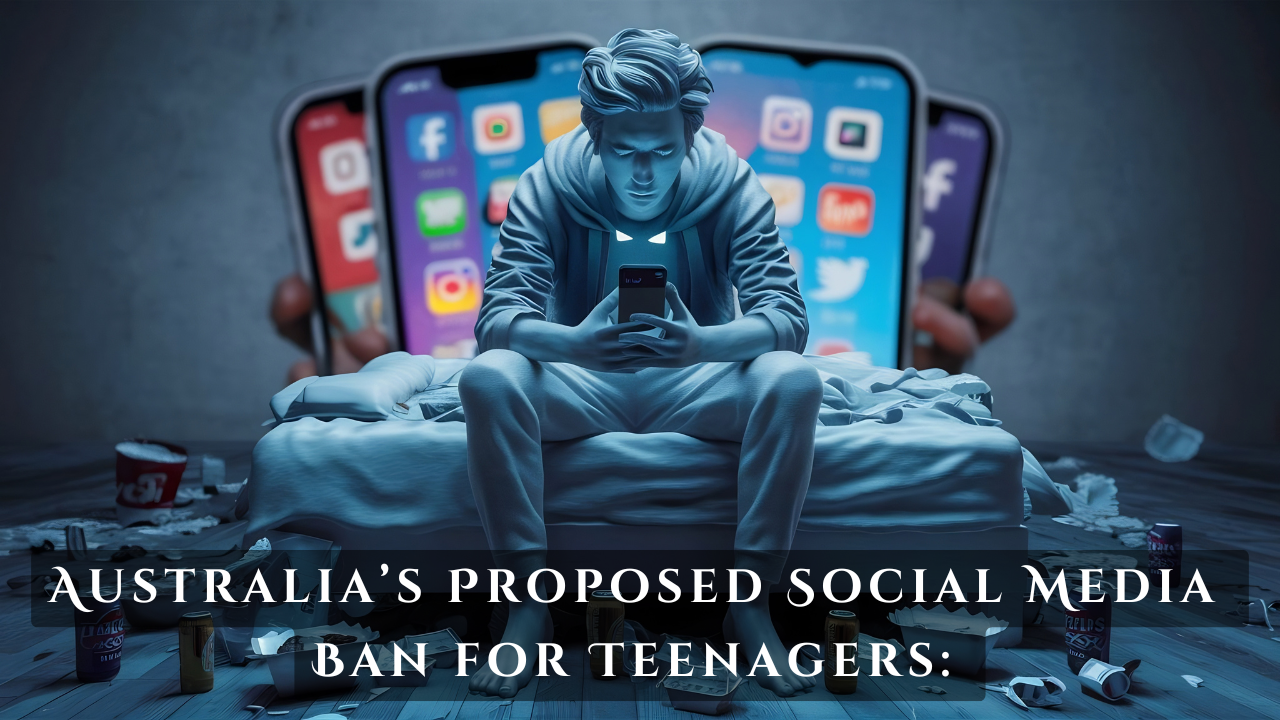
In recent years, social media platforms have become integral to everyday communication, affecting how individuals connect, share information, and express opinions. However, an increasing number of governments and organisations are considering or implementing social media bans, prompting discussions about their significance and repercussions. Understanding the reasons behind these bans and their broader socio-economic impacts is vital in today’s digital landscape.
Reasons Behind Social Media Bans
Across the globe, various factors contribute to the implementation of social media bans. National security concerns frequently drive such measures, especially in cases where governments perceive a threat from misinformation or potential unrest that could be propagated through these platforms. For example, countries like Iran and Myanmar have implemented bans during periods of civil unrest to curb the flow of information that could destabilise the government. Moreover, issues related to privacy violations and the role of social media in facilitating hate speech and cyberbullying have also emerged as critical factors motivating bans.
Recent Developments
The world witnessed a significant spike in social media bans during the COVID-19 pandemic, with countries like Sri Lanka imposing restrictions on platforms amid fears of misinformation regarding the virus. Additionally, in early 2023, India temporarily banned several social media apps in response to concerns over data privacy, seeking tighter control over digital communication. These developments reflect a growing trend among governments worldwide to exert control over digital spaces, often citing national interests.
Impact on Society and Economy
The consequence of social media bans can be far-reaching, affecting not only personal communication but also the wider economy. For individuals, the inability to connect with friends and family or access important information can lead to feelings of isolation and frustration. Businesses, particularly startups and SMEs that rely on social media for marketing and consumer engagement, can struggle to maintain visibility and customer relationships if their channels are disrupted. Economically, some experts argue that such bans could impede innovation and growth, as the free exchange of ideas and information is fundamental to technological advancement and entrepreneurship.
Conclusion
As the landscape of communication continues to evolve, the implications of social media bans remain significant. While governments often justify these measures as necessary for maintaining stability and security, it is paramount to balance regulation with the fundamental rights of free expression and access to information. The ongoing discourse surrounding social media bans highlights the need for collaborative approaches that protect public interests without compromising the benefits of an open digital ecosystem. Looking ahead, understanding this complex relationship will be crucial for policymakers, businesses, and users alike.