








Introduction
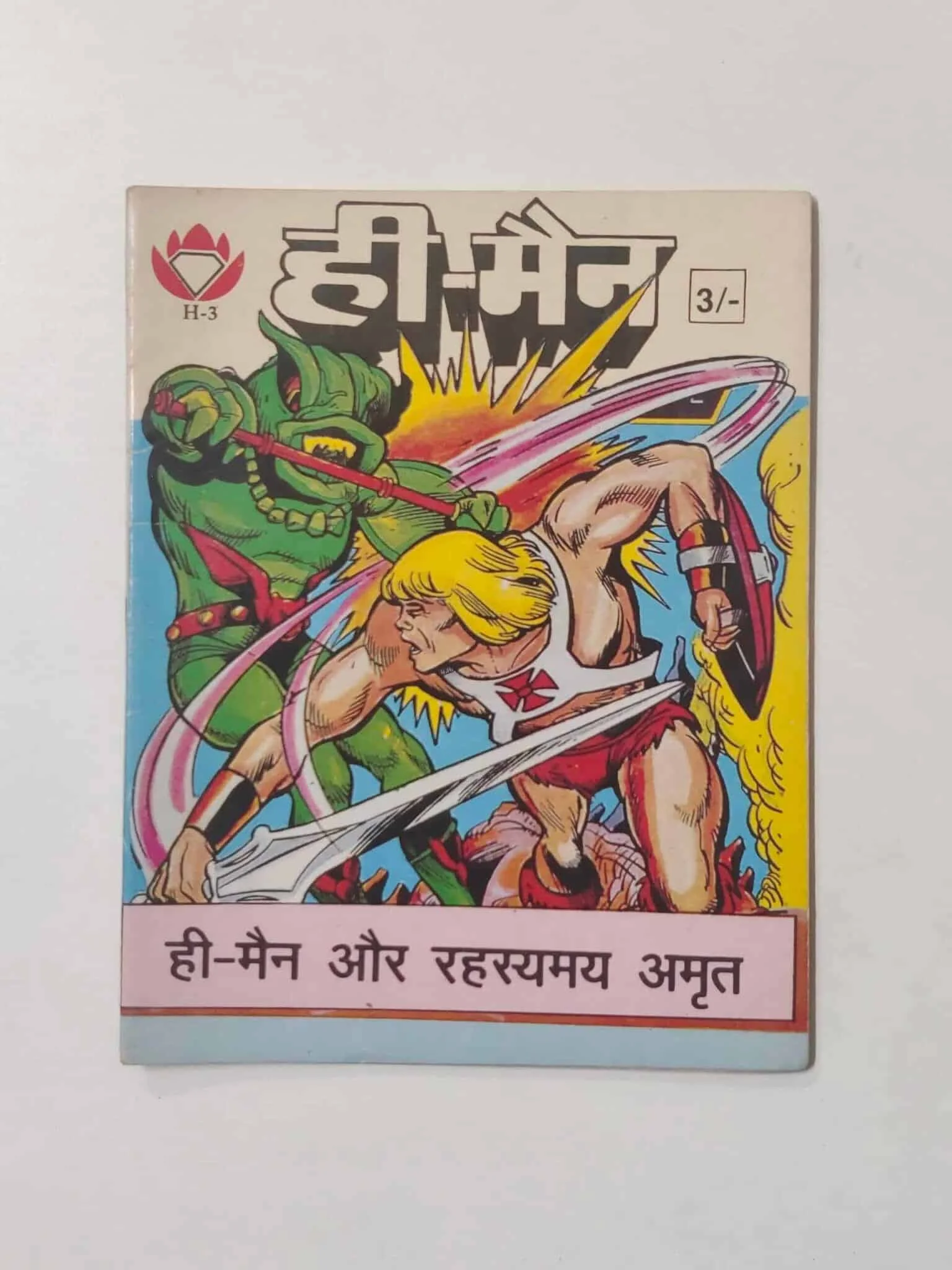
He-Man, the superhero character from the 1980s, is more than just a nostalgic icon; he is a significant piece of pop culture history. Created by Mattel, He-Man originally emerged as a part of a toy line, which has since evolved into a multimedia franchise that includes animated series, comic books, and film adaptations. The relevance of He-Man today lies not only in the fond memories of a generation but also in the ongoing influence he has on contemporary pop culture, inspiring new generations of fans.
The Rise of He-Man
He-Man made his first appearance in 1982 with the launch of the Masters of the Universe toy line. Marketed as “The Most Powerful Man in the Universe,” He-Man quickly became a staple of children’s entertainment. The accompanying animated television series, ‘He-Man and the Masters of the Universe,’ debuted soon after and played a key role in solidifying He-Man’s status as a cultural phenomenon. The show’s captivating storyline, packed with themes of courage and friendship, appealed to a wide audience. New episodes introduced characters like Skeletor, a villain with a penchant for dramatic monologues, further enriching the narrative.
Impact on Popular Culture
Over the years, He-Man has transcended his initial toy and television origins. He has appeared in various forms of media, including a feature film in 1987 starring Dolph Lundgren, which has since developed a cult following. The character’s influence continues through reboots and remakes; the recent series ‘Masters of the Universe: Revelation’ on Netflix brought He-Man back into mainstream conversation, showcasing an updated storyline while paying homage to its roots.
Where He-Man Stands Today
Today’s audience sees a reimagined He-Man who not only appeals to nostalgic adults but also engages younger fans with modern storytelling techniques. The reboots explore deeper themes of identity, gender roles, and responsibility, reflecting a more contemporary understanding of character development. The merchandising of He-Man, from action figures to apparel, reflects a continuing demand, ensuring that the legacy of He-Man remains alive and relevant.
Conclusion
As we look to the future, He-Man’s character is poised to remain a charming element of popular culture. The nostalgic elements combined with modern adaptations suggest that He-Man will continue to resonate with audiences for years to come. His journey from the toy shelf to the television screen serves as a unique case study of how a simple character can evolve and endure through the decades. For fans old and new alike, He-Man will always be a symbol of strength, heroism, and the power of imagination.