









Introduction
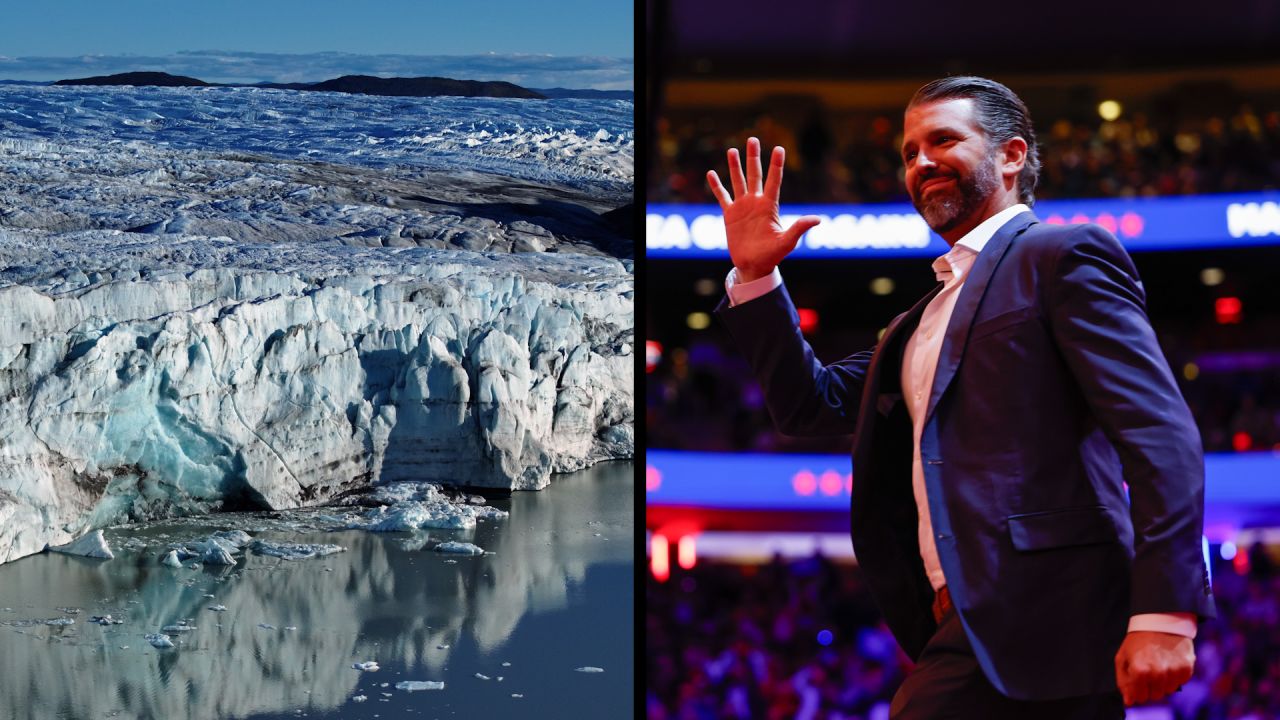
The proposal by former President Donald Trump to acquire Greenland from Denmark captured significant media attention and sparked discussions about international sovereignty, real estate, and geopolitics. While the proposal was dismissed by Denmark and seen largely as a joke, it raised important questions about the strategic interests in the Arctic region and set the stage for further diplomatic discussions.
The Greenland Proposal
In August 2019, Trump expressed his interest in purchasing Greenland, a vast autonomous territory of Denmark. The idea was rooted in the potential economic and strategic benefits of the region, which is rich in natural resources and has strategic importance due to climate change and opening shipping routes in the Arctic. The proposal, however, was met with immediate backlash. Danish Prime Minister Mette Frederiksen deemed it “absurd,” prompting Trump to cancel his state visit to Denmark.
Implications for International Relations
While the idea was quickly brushed aside, it does highlight the increasing geopolitical tensions in the Arctic region. As climate change continues to impact the region, nations including the United States, Russia, and China are positioning themselves to exploit new shipping lanes and access to resources. Greenland’s strategic location and vast resources make it an attractive site for international interests.
Moreover, the discussion around Trump’s proposal has reinvigorated debate over territorial claims and indigenous rights in Greenland. The indigenous Greenlandic people, who have their own aspirations for autonomy and self-governance, may find themselves caught between the ambitions of powerful nations.
Public and Political Reactions
Public reaction to Trump’s proposal varied, with some viewing it as a serious diplomatic misstep, while others saw it as a mere curiosity in the larger political theatre. Analysts remarked on the implications of such a proposal for the image of the U.S. on the world stage, highlighting the awkwardness of attempting to purchase a territory rather than negotiating partnerships.
Conclusion
Even though Trump’s Greenland proposal was ultimately rejected, it has prompted deeper conversations on the future of Greenland, potential U.S.-Denmark relations, and the broader implications of Arctic governance. As various global powers focus their strategies on the Arctic, the significance of similar proposals will likely persist, reminding us that territorial discussions are far from over. The long-term implications of these dynamics are likely to shape future geopolitical strategies as nations prioritize their interests in an increasingly volatile and resource-rich Arctic.