









Introduction
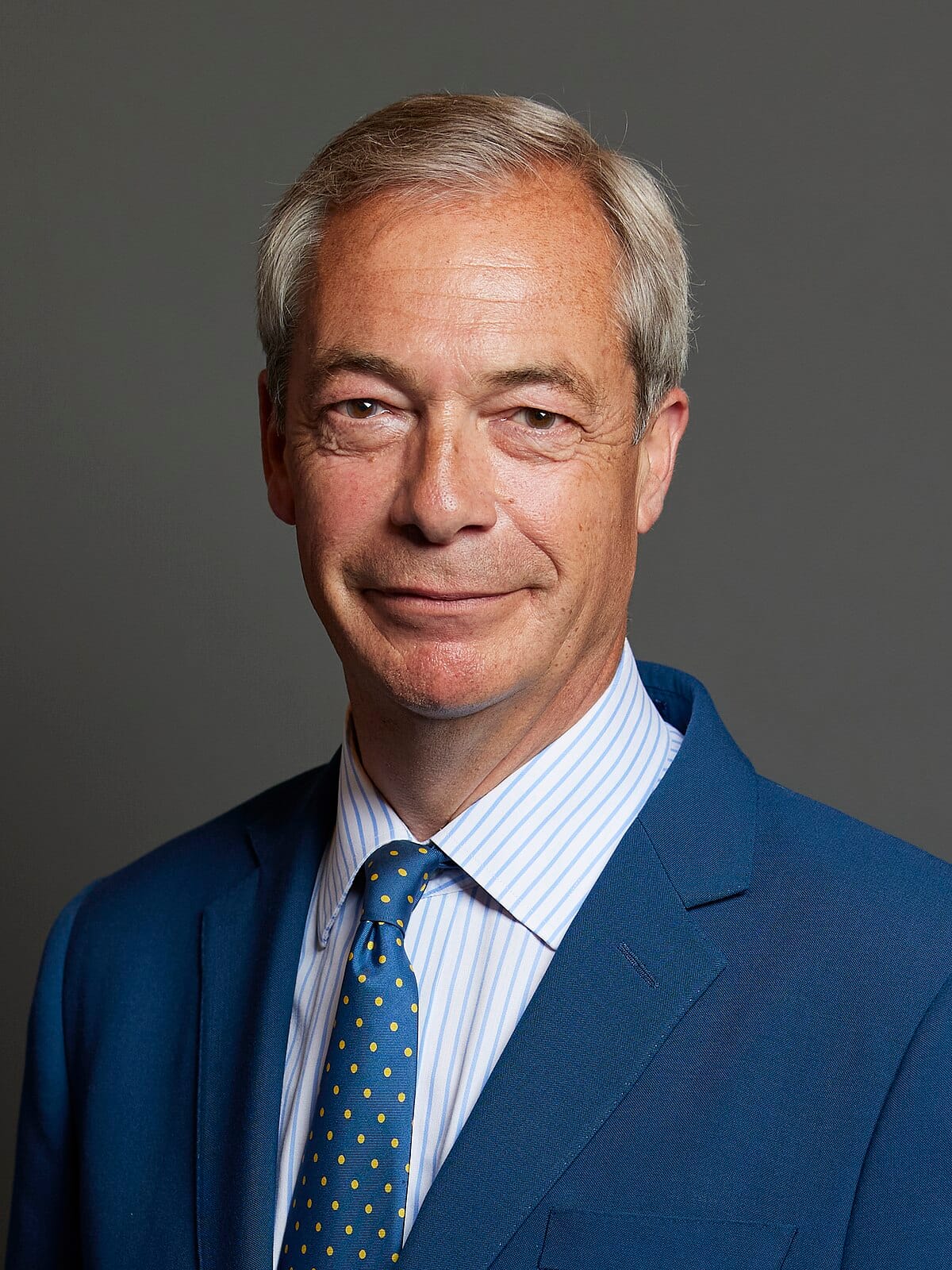
Nigel Farage has long been a prominent figure in British politics, known for his role in the UK’s Brexit movement. His influence extends beyond mere party politics; Farage has shaped public debate and opinion on migration, sovereignty, and the relationship between the UK and the European Union (EU). As the nation continues to navigate the complexities of post-Brexit governance, understanding Farage’s impact is critical for anyone interested in British political landscape.
Political Background and Brexit Advocacy
Farage first entered the political arena in the 1990s as a member of the UK Independence Party (UKIP), which campaigned primarily for the UK’s withdrawal from the EU. His charismatic speeches and populist approach resonated with many disillusioned voters, positioning him as a leader of the anti-EU sentiment in Britain. In 2016, his advocacy culminated in a successful Brexit referendum that ultimately shifted the political direction of the UK.
Recent Developments
Following his resignation from UKIP in 2018, Farage founded the Brexit Party, which aimed to ensure a clean break from the EU. This move bolstered his reputation as a staunch Brexiteer. As of recent reports, Farage remains active in politics and media, frequently providing commentary on government policies and engaging in public discussions about the future of the UK post-Brexit. He has also hinted at potential future political ambitions, which has stirred discussions within political circles about his relevance in contemporary politics.
Controversies and Public Image
However, Farage has not been without controversy. His outspoken views on immigration and his abrasive rhetoric have drawn significant criticism and accusations of fostering division within society. In light of this, his public image remains polarising: while some view him as a defender of British interests, others see him as a divisive figure. In recent years, Farage has faced legal and social scrutiny, particularly surrounding his financial dealings and connections to various interest groups.
Conclusion
As the UK continues to adapt to its new political reality outside the EU, the influence of figures like Nigel Farage cannot be understated. He embodies a segment of the electorate that yearns for change and represents the complexities of modern British politics. Observers predict that Farage’s future moves could significantly impact the upcoming political landscape, especially as discussions on immigration and trade policies evolve. Ultimately, his role in shaping not just policy but public opinion will remain a focal point for analysts, politicians, and the electorate alike.