









Introduction
The UEFA Champions League is one of the most prestigious tournaments in club football, featuring the elite teams from across Europe. Understanding its format is crucial for fans, players, and aspiring teams, as it determines how clubs can compete for the championship. The competition’s structure has evolved over the years, reflecting changes in football styles and club performances.
Formats Through the Years
Initially launched in 1955, the tournament began as the European Cup, where the winner from each country faced off in knockout rounds. In 1992, the format changed to the UEFA Champions League we know today, allowing several teams from each national league to compete. The current structure consists of a group stage followed by knockout rounds, culminating in a final that determines the champion.
Current Format
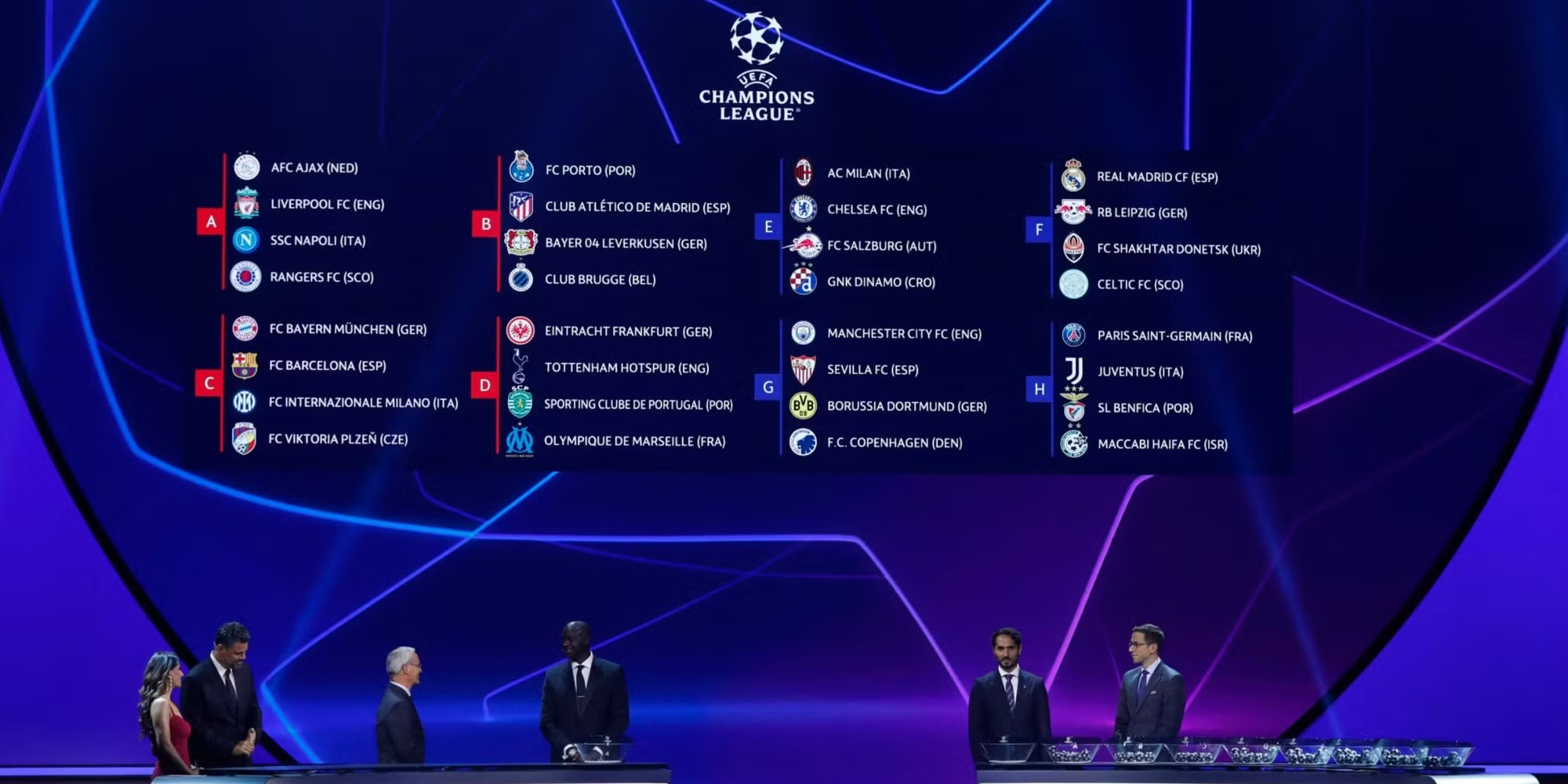
As of the 2023/2024 season, the Champions League includes 32 teams in the group stage, divided into eight groups of four. Each team plays home and away matches against their group rivals, earning three points for a win, one point for a draw, and no points for a loss. The top two teams from each group advance to the knockout stage, which consists of a series of two-legged ties leading to the final.
Knockout Stage Details
The knockout rounds begin with the Round of 16, where group winners face the runners-up from other groups. Each team plays two matches, one at home and one away, and the aggregate score determines which team progresses. This format continues through the quarter-finals and semi-finals until the two finalists meet in a one-off match to compete for the prestigious trophy.
Significance of the Format
The Champions League format not only showcases the best talent but also enhances global interest in football. The mix of different playing styles and the monumental performances by top teams make each season noteworthy. Furthermore, it allows clubs from smaller leagues a chance to compete against the giants, stirring thrilling upsets and memorable moments.
Looking Ahead
Upcoming seasons are set to introduce a revamped Champions League format starting from the 2024/2025 season, which will extend the group stage to include 36 teams. This new format will potentially offer more matches and foster a more competitive environment, keeping fans at the edge of their seats. As the landscape of European football changes, understanding the Champions League format remains essential for following this elite competition closely.