









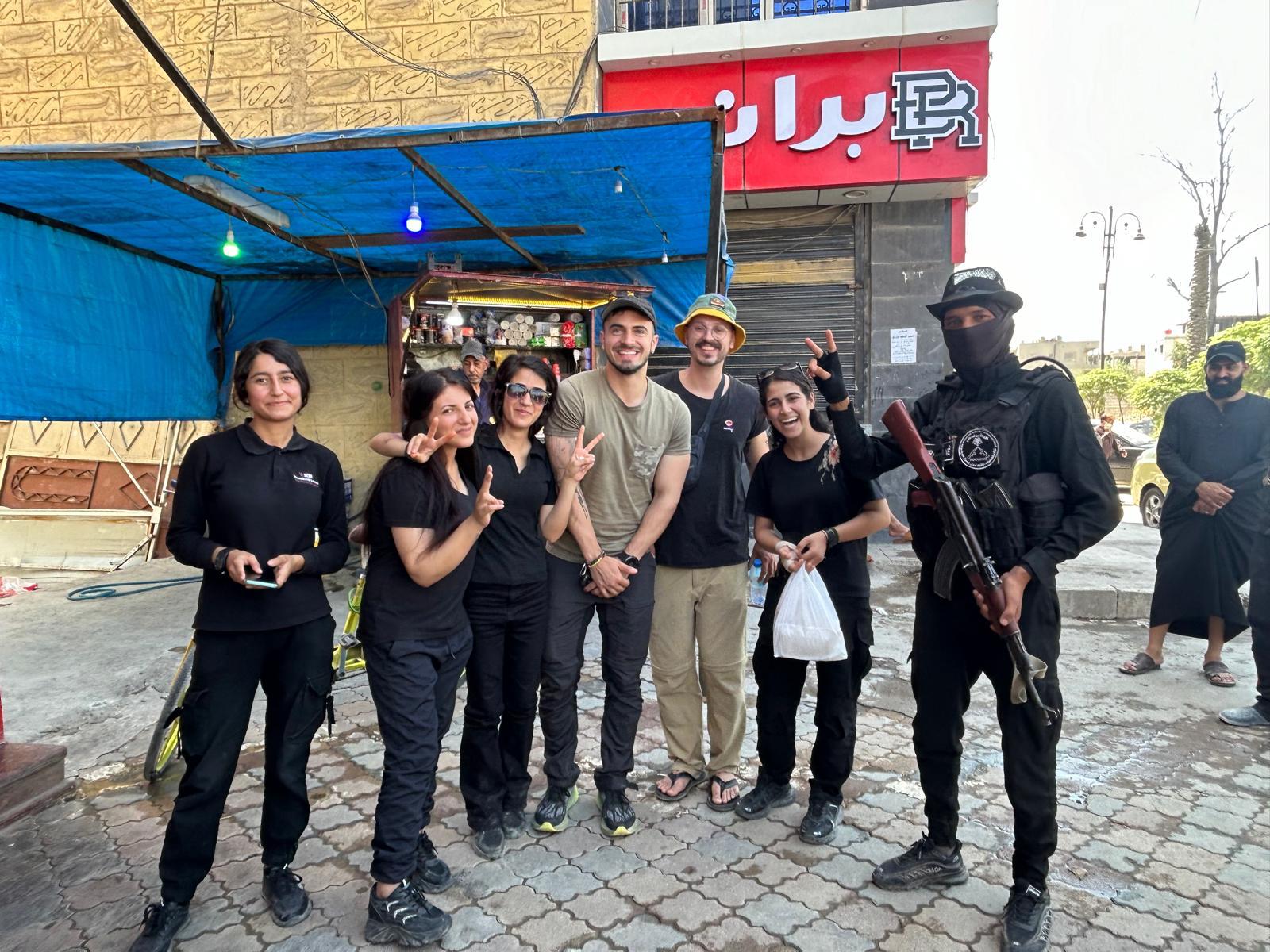
Introduction: The Importance of Rojava
Rojava, officially known as the Autonomous Administration of North and East Syria, has emerged as a significant region in the geopolitical landscape of the Middle East. Its establishment following the Syrian civil war marks a unique experiment in self-governance and democratic ideals in a region often plagued by conflict and authoritarianism. The developments in Rojava have attracted global attention not only due to their political significance but also for the progressive social policies that aim to ensure equality and representation for all ethnic groups, particularly women.
The Background of Rojava
In 2012, as the Syrian regime’s control began to wane amid civil unrest, local Kurdish leaders seized the opportunity to establish a self-governed region in Northern Syria. Rojava has since sought to embody principles of democracy, gender equality, and pluralism, diverging from the traditional governance models prevalent in the Middle East. Governed by the Syrian Democratic Forces (SDF) and the PYD (Democratic Union Party), Rojava’s political structure is characterised by a system of councils representing various communities, which is intended to consider the diverse needs and aspirations of its population.
Current Developments
The ongoing conflict in Syria has impacted Rojava significantly, particularly with the presence of Turkish military interventions and the threat posed by ISIS remnants in the region. Despite these challenges, Rojava continues to push forward with its democratic framework and has garnered international support, particularly in the fight against ISIS. Recent statements from various political leaders in Western countries have emphasised the importance of supporting Rojava in its efforts to maintain stability, especially as a model for inclusive governance.
Moreover, the economic situation in Rojava is evolving as the region seeks to rebuild its infrastructure, which has been profoundly damaged by years of war. The local administration is working on initiatives aimed at reviving agriculture and fostering trade relations with neighbouring areas, despite facing limitations imposed by regional embargoes and political pressure.
Conclusion: The Significance of Rojava in Global Context
The future of Rojava remains uncertain as it navigates complex relationships with both local and international actors. However, the region stands as a significant example of how diverse communities can work together to create a sustainable and inclusive form of governance. The broader implications of Rojava’s experience may offer valuable lessons in conflict resolution and democratic reform in other parts of the world. Observers will continue to monitor developments in Rojava closely, as its success or failure could influence the geopolitical dynamics of the entire region.