









Introduction
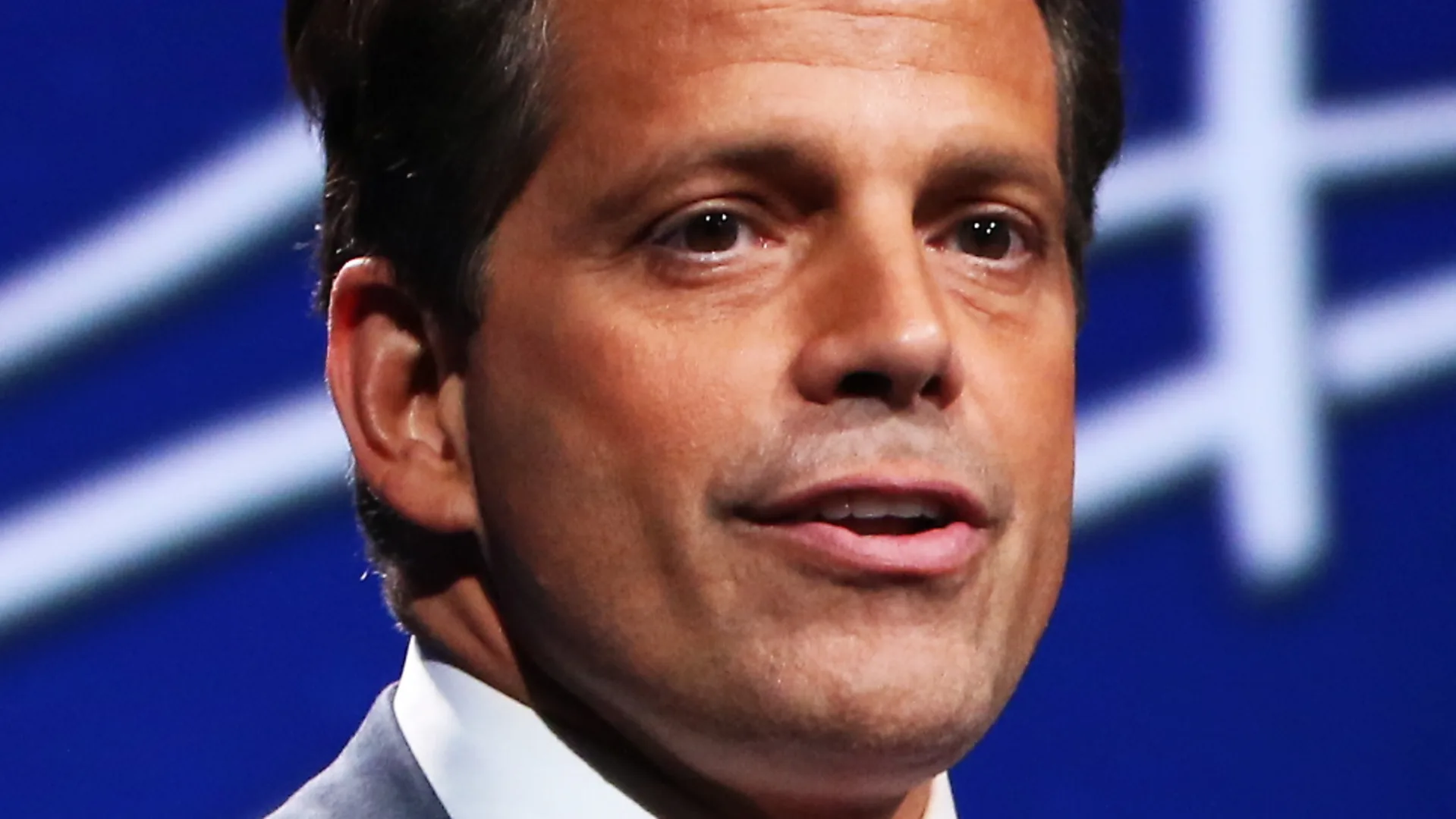
Anthony Scaramucci, a prominent figure in finance and politics, has gained attention for both his short-lived tenure in the White House and his ongoing roles in investment management. His insights into economic policy and market strategies have made him a respected voice in the business community. As global markets continue to evolve amidst economic uncertainties, Scaramucci’s perspectives are increasingly relevant.
Background and Career
Born on January 6, 1964, in Long Island, New York, Scaramucci graduated from Tufts University and later earned a law degree from Harvard University. He began his career in finance with investment firms, notably working at Goldman Sachs and founding his own firm, SkyBridge Capital. His management of SkyBridge helped him amass considerable wealth and recognition in the investment sphere.
Scaramucci’s foray into politics began when he was appointed as President Donald Trump’s Communications Director for 11 days in July 2017. Despite his brief tenure, he became a significant media personality, frequently appearing on news channels to discuss political and economic matters, thereby shaping public discourse.
Current Roles and Contributions
Currently, Scaramucci remains active in both finance and political commentary. He has resumed leadership at SkyBridge Capital and has recently launched initiatives aimed at investing in cryptocurrencies and emerging markets. His investment strategies reflect a forward-thinking approach, focusing on sectors that are likely to thrive in a post-pandemic economy.
In addition to his professional pursuits, Scaramucci is an outspoken advocate for mental health awareness and has used his platform to promote discussions around personal well-being, particularly in high-pressure environments like finance and government. His candid remarks about the stresses of leadership and public life resonate with many in similar positions.
Conclusion
Anthony Scaramucci’s trajectory highlights the intersection of finance and political discourse in contemporary society. As he continues to navigate the complexities of both fields, his insights will likely contribute to shaping economic policies and investment strategies in the years to come. For readers, observing Scaramucci’s career offers valuable lessons in resilience and adaptability in an ever-changing world.