









Introduction to the Gulf of Mexico
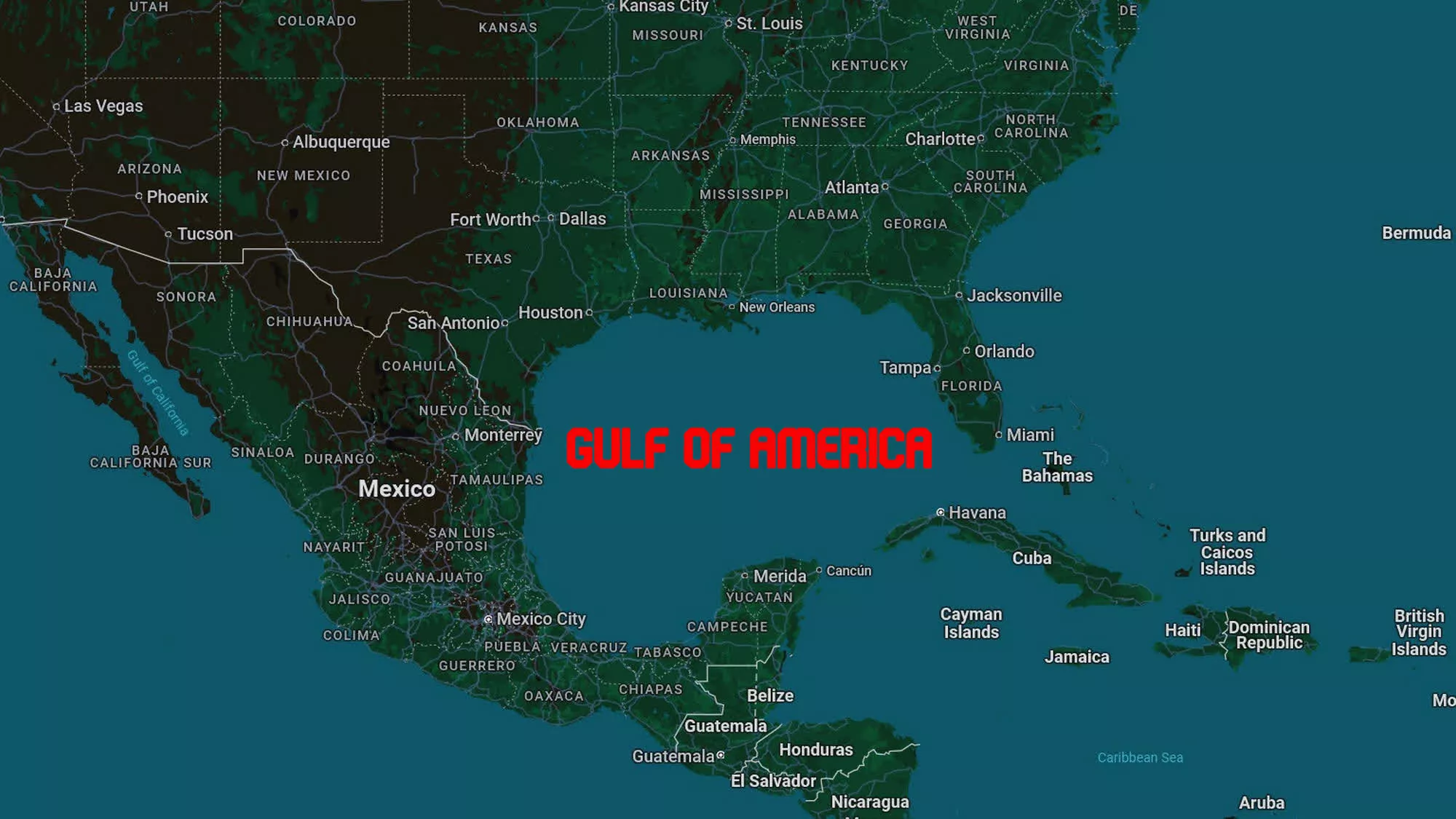
The Gulf of Mexico is not just a body of water; it is a crucial ecosystem and economic powerhouse for the surrounding regions, including the United States, Mexico, and Cuba. Covering approximately 600,000 square miles, it supports rich biodiversity and is essential for commercial and recreational fishing, tourism, and oil extraction. As environmental concerns and economic interests converge, the Gulf continues to be a focal point for ecological and policy discussions.
Environmental Importance
The Gulf of Mexico hosts a wealth of marine life, including over 15,000 species of fish, birds, and other organisms. The region’s unique habitats, such as estuaries, marshlands, and coral reefs, serve as critical nurseries for many marine species. Recently, research has highlighted the impacts of climate change and pollution on its ecosystem. For instance, the alarming rise in sea temperatures is pushing certain species to migrate while causing others, like coral, to bleach and die. Furthermore, the infamous dead zone—a hypoxic area where oxygen levels are too low to support most marine life—continues to expand due to nutrient runoff from agriculture and urban areas.
Economic Significance
The Gulf is economically significant, driving industries worth billions. According to the Bureau of Economic Analysis, the region’s economy generates more than $270 billion annually, encompassing fishing, shipping, and tourism. The fishing industry alone is responsible for thousands of jobs and provides a significant portion of seafood consumed in the United States. Furthermore, the Gulf is one of the main sources of the nation’s oil and natural gas, accounting for approximately 17% of the U.S. oil production and 5% of the country’s natural gas supply. However, these industries also present environmental threats, as oil spills and drilling activities pose risks to the delicate marine ecosystems.
Recent Developments and Future Outlook
In light of the ongoing climate crisis, actions are being taken to protect the Gulf’s environment. Various conservation initiatives aim to restore critical habitats, and new regulations are in place to manage fishing practices and mitigate pollution. In addition, the Biden Administration has taken steps to address climate-related policies, including halting new oil leases in federal waters to combat climate change impacts. These developments indicate a shifting trend towards sustainable management of Gulf resources.
Conclusion
The Gulf of Mexico remains a vital region for both biodiversity and economic activity. As environmental concerns rise, balancing the needs of industry and conservation will be crucial. For residents and stakeholders alike, understanding the significance of the Gulf is essential for advocating for its protection and sustainable use in the future. The fate of the Gulf does not solely reflect the health of its waters but also signifies the interconnectedness of humanity and nature.