









Introduction
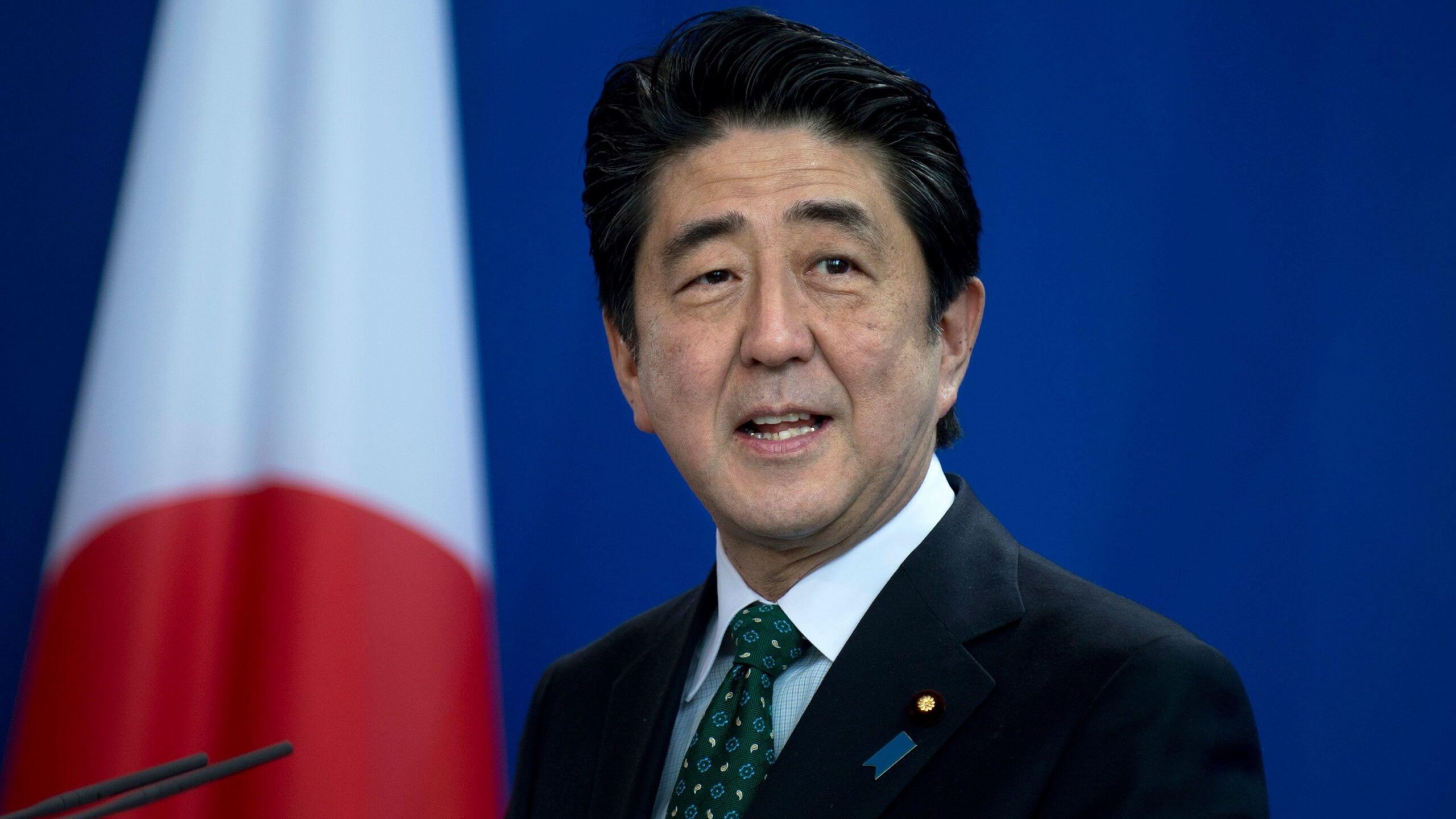
Shinzo Abe, who served as the Prime Minister of Japan for over nine years across two non-consecutive terms, played a significant role in shaping contemporary Japanese politics. His leadership was marked by both economic initiatives and controversial policies, making his legacy relevant to discussions about Japan’s future direction and global relations.
The Political Landscape
Abe’s first term began in 2006 and lasted until 2007. He returned to office in 2012, overseeing an era of economic reform known as “Abenomics,” which aimed to pull Japan out of two decades of economic stagnation. This included monetary easing, fiscal stimulus, and structural reforms. Under his leadership, unemployment rates fell, and the stock market saw significant gains, prompting both national and international conversations about Japan’s economic recovery.
Controversial Policies
Abe’s administration was not without controversy. He advocated for a stronger military stance, moving away from Japan’s post-World War II pacifist constitution, which stirred protests from pacifist groups and neighbouring countries, particularly China and South Korea. His stance on history-related issues and textbook revisions was also met with criticism, emphasising the delicate balance of Japan’s national identity and regional relations.
Assassination and Aftermath
Tragically, in July 2022, Abe was assassinated during a campaign event in Nara, shocking the nation and the world. His assassination raised discussions about political violence and security measures necessary for public officials. The event has led to renewed scrutiny of the political environment in Japan, with opinion polls reflecting a significant increase in support for Abe’s policies in the wake of his death. Many citizens regarded him as a stabilising figure amidst turbulent times.
Legacy and Future
Shinzo Abe’s legacy is still evolving, as discussions on the direction of Japanese politics continue. His impact remains evident, with current Prime Minister Fumio Kishida navigating a political landscape shaped by Abe’s policies. As Japan faces challenges such as demographic shifts and global economic uncertainties, Abe’s visions and policies will likely continue to influence future leaders.
Conclusion
In conclusion, Shinzo Abe’s life and political career are pivotal to understanding modern Japan’s socio-political dynamics. His innovative yet contentious approaches to both economics and military policies will be studied for years to come. As Japan moves forward, the foundational changes initiated during Abe’s tenure may well guide the country in navigating 21st-century challenges.