









Introduction
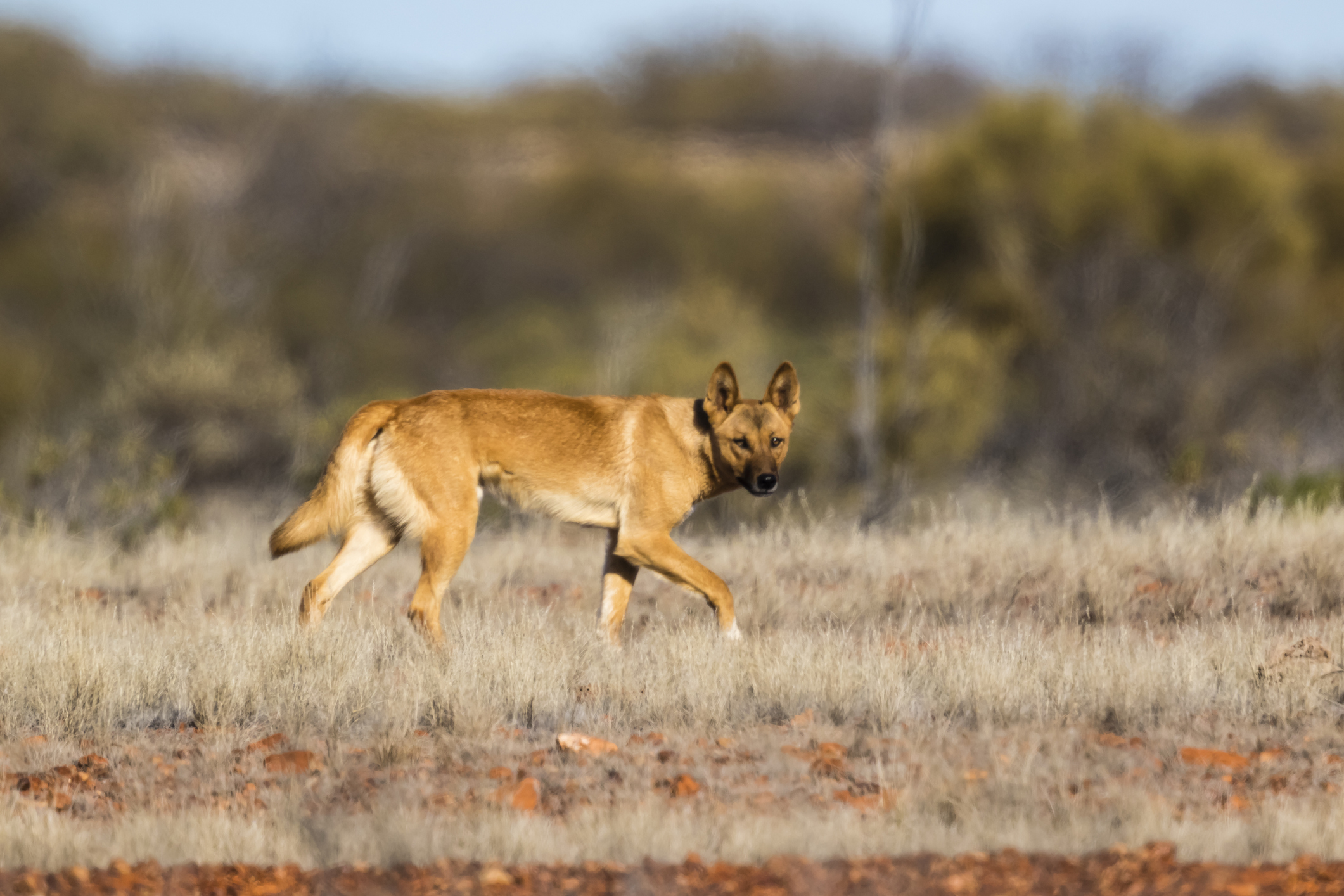
The dingo (Canis lupus dingo) is an iconic species native to Australia, playing a crucial role in the continent’s ecosystem. As one of the top predators, dingoes have significant implications for the biodiversity of their habitats and contribute to the ecological balance. Understanding the current status of the dingo population is essential, not just for conservation efforts, but also for managing agricultural practices and preserving Australia’s unique wildlife.
Dingo Population and Habitat
Consequently, research on the dingo population has recently gained momentum. According to the Australian Government’s Department of Agriculture, Water and the Environment, dingoes are primarily found in remote areas, although their presence is noted across the country. Estimations of the dingo population vary, but it is believed that there are between 100,000 to 200,000 wild dingoes throughout Australia, with considerable variations depending on local ecosystems.
Challenges Facing Dingoes
However, this population faces numerous challenges, both natural and human-induced. Habitat loss due to urban sprawl and land clearing puts pressure on their natural environments. Climate change also impacts the availability of prey and suitable habitats, leading to population stress. Moreover, regional conflicts arise as farmers blame dingoes for livestock predation, leading to increased culling. In fact, reports from the Australian Wool Innovation indicate that predation by dingoes leads to significant financial losses in the sheep industry, necessitating a cut in dingo numbers.
Conservation Efforts
Conservation groups advocate for more sustainable coexistence strategies that recognise the role of dingoes in ecosystem functioning. This includes initiatives such as establishing wildlife corridors and promoting non-lethal deterrents for farmers. Additionally, researchers are conducting studies to understand the genetic diversity of dingoes, vital for determining effective conservation strategies. It’s important to note that dingoes are integral in controlling kangaroo populations, which have seen unprecedented growth and can lead to overgrazing if unchecked.
Conclusion
The fate of the dingo is intertwined with Australia’s ecological health. As our understanding of their role grows, it is imperative that there is a balanced approach to their management. According to ecologists, promoting a harmonious relationship between dingoes and agricultural interests will yield long-term benefits. The future of dingoes and their role in Australia’s environment awaits further study and action, making it a vital topic for conservationists, farmers, and policymakers alike.