










Introduction
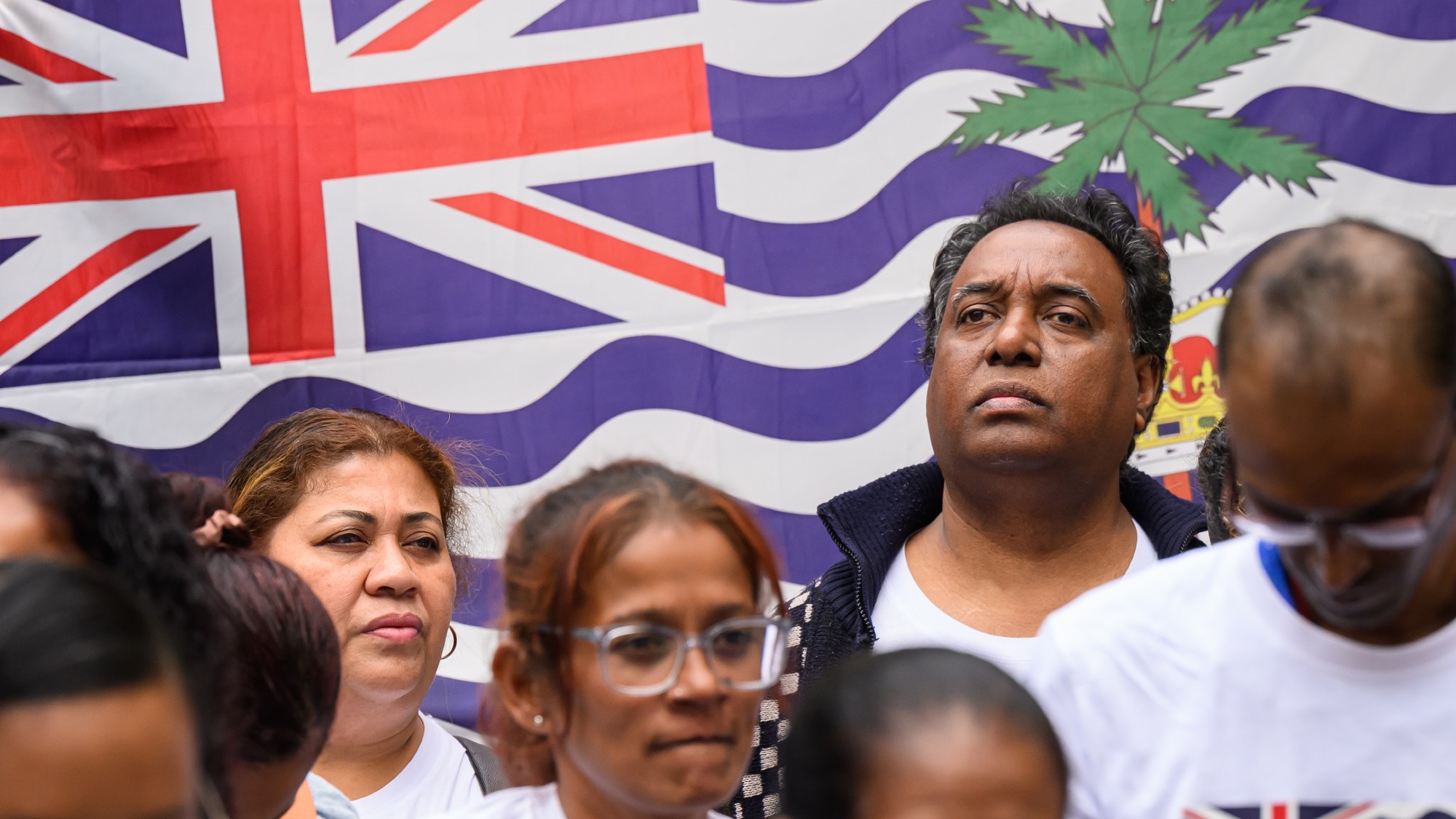
The Chagos Islands, a small archipelago in the Indian Ocean, have been at the centre of a protracted geopolitical dispute, primarily involving the United Kingdom and Mauritius. This controversy has significant implications for international law, human rights, and environmental preservation. Resolving the status of these islands is not only crucial for the displaced Chagossians, but also for the ecological health of one of the most diverse marine environments in the world.
Historical Background
The Chagos Islands were administered by the British as a part of the British Indian Ocean Territory, after being separated from Mauritius in 1965. During the 1960s, the UK forcibly removed the local population, the Chagossians, to make way for a military base, which became known as the Diego Garcia base. The base has played a critical role in U.S. military operations, serving as a strategic point in the Indian Ocean.
Ongoing Dispute
The sovereignty of the Chagos Islands has sparked debates at the United Nations and in various international courts. In 2019, the International Court of Justice (ICJ) ruled that the UK maintains unlawful colonial administration over the archipelago, and the United Nations subsequently called for the UK to end its administration. However, the UK government has not complied, citing security reasons relating to the military base.
Environmental Importance
The Chagos Islands are also significant due to their biodiversity; they are home to some of the world’s most pristine coral reefs and a variety of marine species. The protections and sustainability of these ecosystems are in jeopardy as geopolitical issues overshadow environmental concerns. In 2010, the UK government declared a marine protected area that covers approximately 640,000 square kilometres, restricting fishing and other activities in order to maintain the ecological balance. However, the effectiveness of these measures is still under scrutiny.
Conclusion
The Chagos Islands’ situation is a pressing concern that intertwines human rights, international law, and environmental stewardship. As the international community continues to push for the restitution of sovereignty to Mauritius and the rights of the Chagossians, understanding the broader implications of this dispute is vital. Moreover, preserving the islands’ unique biodiversity is not just important for local ecosystems, but is also emblematic of the global fight for environmental justice. Moving forward, it will be crucial for stakeholders to strike a balance between national security and the rights of displaced populations, while simultaneously safeguarding the environmental heritage of this unique region.