









Introduction
The flag of Iran is a vibrant symbol reflecting the nation’s rich history, culture, and political evolution. With its distinctive design incorporating green, white, and red stripes, alongside intricate symbols, the flag serves as not only a national emblem but also a representation of Iranian identity during various historical periods. Understanding the elements of the Iran flag is crucial for those interested in the country’s heritage, politics, and current events.
Design and Symbolism
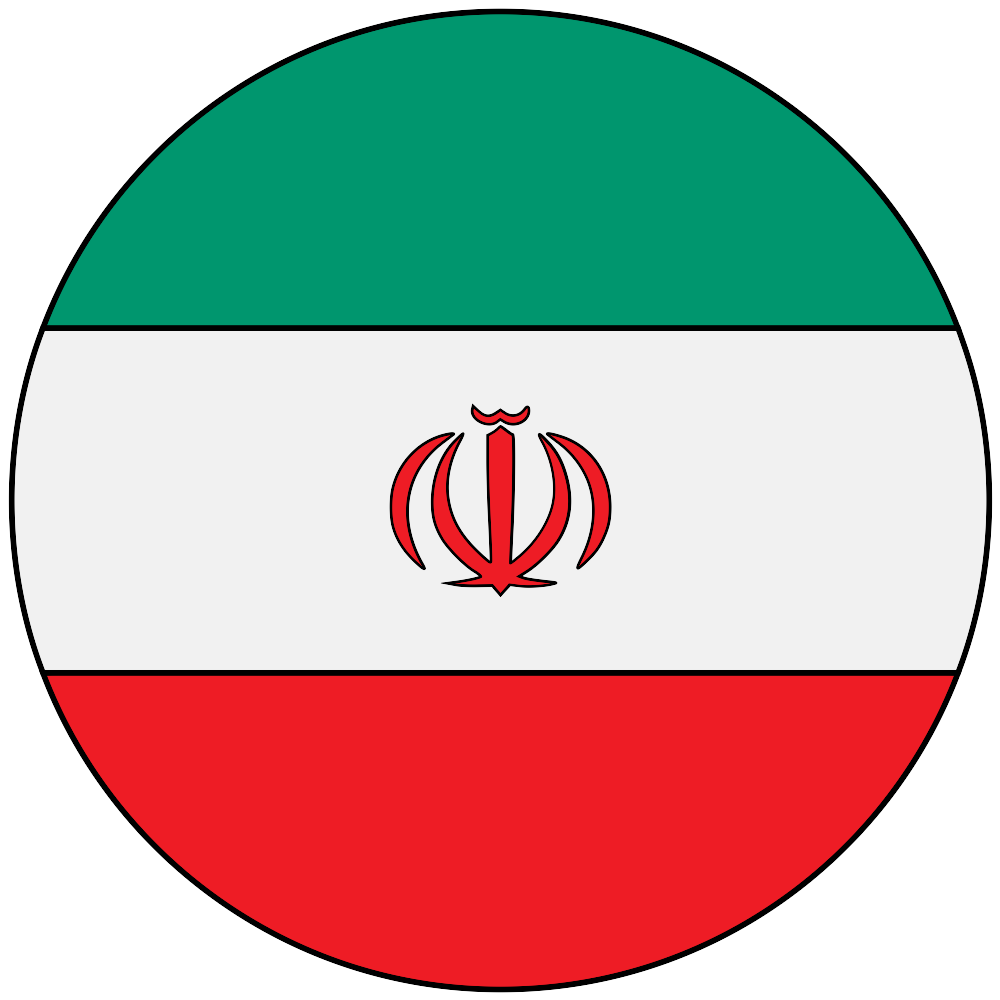
Adopted after the Iranian Revolution in 1979, the modern Iran flag features a horizontal tricolour of green, white, and red. Each colour holds specific significance:
- Green: Represents Islam, growth, and the respect for life.
- White: Symbolises peace and honesty.
- Red: Stands for courage, bravery, and the blood of martyrs.
The centre of the flag displays the emblem of Iran, which combines elements of a tulip (a symbol of martyrdom) and the word for ‘Allah’ written in stylised form. Surrounding the emblem are 22 small repetitions of the word ‘Allah’, representing the date of the Iranian Revolution in 1979 on the solar calendar (11th of Bahman).
Historical Context
The Iran flag has undergone several changes throughout its history. Before the current flag, various designs represented the monarchy, with different symbols and colours reflecting the reign of different leaders. The flag in use before 1979 featured a lion and sun motif, deeply rooted in Persian mythology. The transition to the present flag marked a significant political shift towards a theocratic republic aimed at embodying Islamic values and the spirit of the revolution.
Current Role and Significance
Today, the Iran flag is an essential emblem at national events, state functions, and international sports competitions, reflecting national pride. It also serves as a tool of political expression, especially in demonstrations both within Iran and in the Iran diaspora worldwide. The flag is often used to convey unity in times of both celebration and protest, illustrating the duality of national pride and discontent among the citizens concerning various socio-political issues.
Conclusion
The Iran flag stands as a testament to the nation’s identity, weaving together threads of its historical narrative, cultural heritage, and political aspirations. As Iran continues to navigate through complex global dynamics and internal challenges, the flag remains a powerful symbol of the hopes and values of its people. Understanding its significance not only enriches the appreciation of Iran’s culture but also provides insight into the current socio-political landscape of the country.