









Introduction
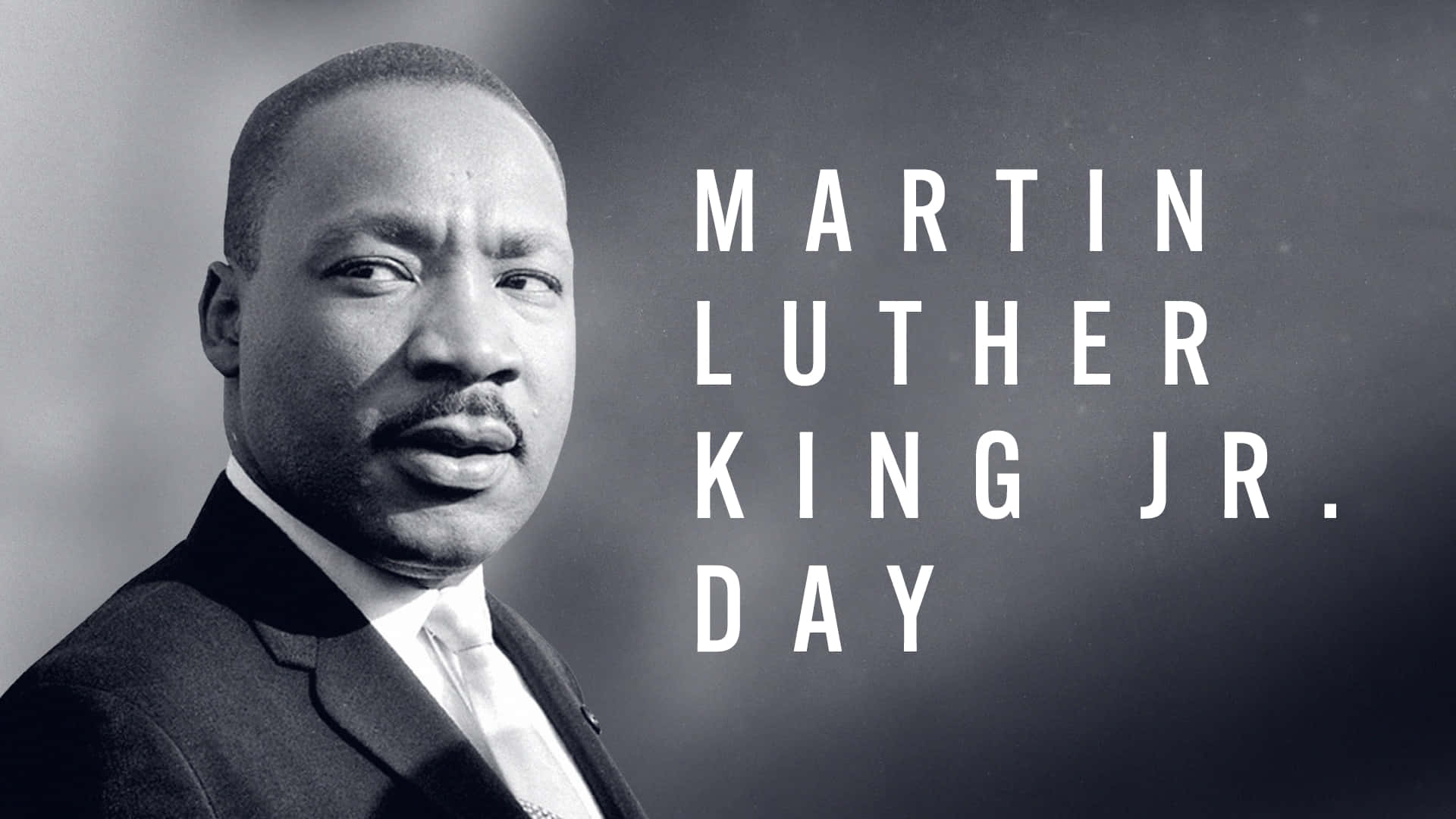
Martin Luther King Jr. remains one of the most significant figures in the history of the civil rights movement. His commitment to nonviolent protest and his profound speeches, particularly the iconic ‘I Have a Dream,’ have left an indelible mark on society. As we reflect on his life and work, we recognise the ongoing relevance of his messages in today’s socio-political climate, especially as the world grapples with issues of inequality and injustice.
The Civil Rights Movement
Born on January 15, 1929, in Atlanta, Georgia, King emerged as a leader during the Montgomery Bus Boycott in 1955, advocating for the end of racial segregation. His leadership style was rooted in the principles of nonviolent resistance, influenced by Mahatma Gandhi’s philosophy. Throughout the 1960s, King became a pivotal figure in national campaigns against racial discrimination, including the Birmingham campaign and the March on Washington in 1963. During these events, his powerful oratory rallied people from all walks of life, drawing attention to the injustices faced by African Americans.
Impact and Legacy
Tragically, Martin Luther King’s life was cut short when he was assassinated on April 4, 1968, but his legacy endures. The day of his assassination was a turning point in the civil rights struggle, sparking outrage and further calls for systemic change. In 1983, Martin Luther King Jr. Day was established as a federal holiday, recognising his contributions to civil rights and social justice.
Today, King’s message remains relevant, as new generations advocate against systemic racism, economic inequality, and social injustices. The Black Lives Matter movement and other initiatives echo King’s call for equality and justice, emphasising that his fight is far from over.
Conclusion
In conclusion, Martin Luther King’s legacy continues to inspire individuals striving for equity and justice worldwide. His teachings encourage us to engage in civil dialogue, embrace tolerance, and work towards a society where everyone is treated with dignity. As we reflect on his life, it is crucial to recognise that the dream he articulated is still a work in progress, urging readers to contribute to this ongoing struggle for civil rights. By remembering King’s lessons and actions, we can foster a future that honours his vision of equality and unity.