










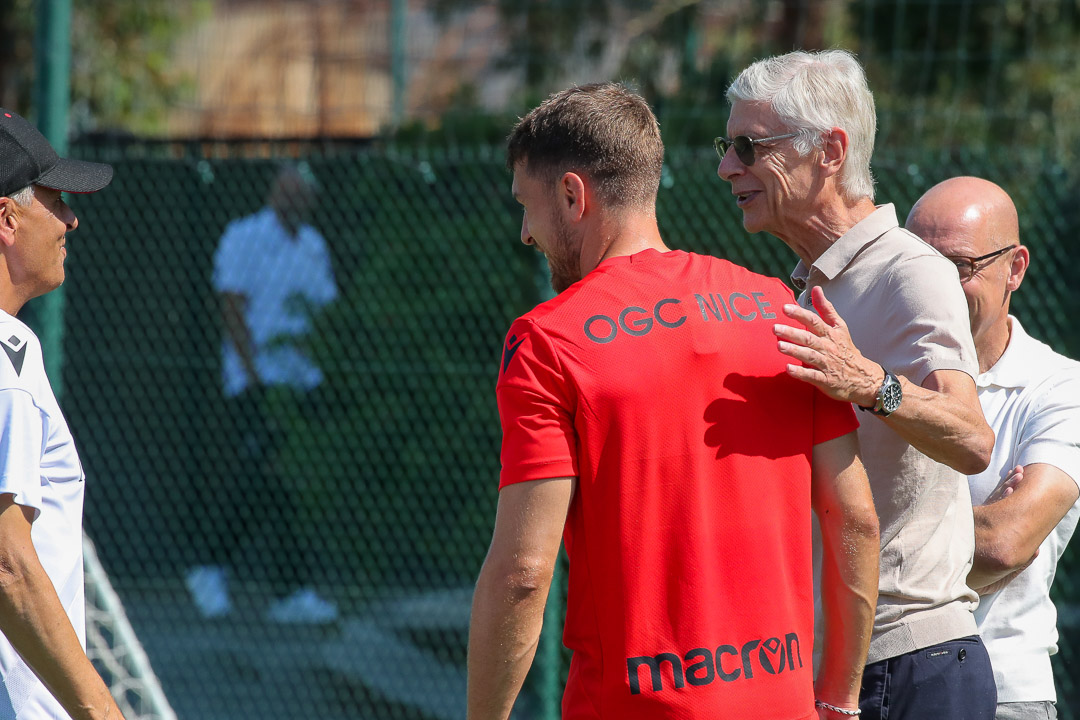
Introduction
Arsene Wenger, the long-standing manager of Arsenal Football Club, has profoundly shaped modern football through his innovative tactics and a philosophy centered on attacking play and player development. Known for his ability to spot and nurture talent, Wenger’s legacy is especially significant as he bridged the gap between traditional British football and more modern, continental styles.
Wenger’s Early Career
Wenger began his managerial career with Nancy in the Ligue 1 before moving to AS Monaco, where he won the league title in 1988. His success there caught the attention of Arsenal’s management, leading to his appointment in 1996. His entry coincided with a transitional period for the club.
A New Era at Arsenal
At Arsenal, Wenger revolutionised not just the team’s tactical approach but also the club’s infrastructure, promoting a more scientific method to training and nutrition. He is largely credited with introducing sports science to English football, which has become integral to clubs’ operations. In his tenure, he led Arsenal to three Premier League titles and seven FA Cups, with his most remarkable achievement being the 2003-04 season, where the team went unbeaten, earning the moniker “The Invincibles.”
Wenger’s Influence on Player Development
A notable aspect of Wenger’s managerial style is his emphasis on developing young talent. Players like Thierry Henry, Cesc Fabregas, and Robin van Persie thrived under his guidance, and Wenger was renowned for his patience with young players. His commitment to nurturing homegrown talent has had a lasting impact on the club’s youth academy and set a precedent for future managers.
Recent Developments
Since leaving Arsenal in 2018, Wenger has continued to contribute to football as FIFA’s Chief of Global Football Development. He has been involved in various initiatives aimed at improving the sport globally, including proposals for restructuring the international calendar and enhancing youth development programmes.
Conclusion
Arsene Wenger’s influence on football goes beyond the trophies won and the matches played. His commitment to innovation, player development, and a unique managerial style has left an indelible mark on football, particularly within the Premier League. As discussions about managerial styles and football philosophies continue to evolve, Wenger’s legacy serves as an essential reference point for both existing and aspiring coaches. Looking ahead, his ongoing contributions to the sport promise to inspire future generations in the beautiful game.