









Introduction
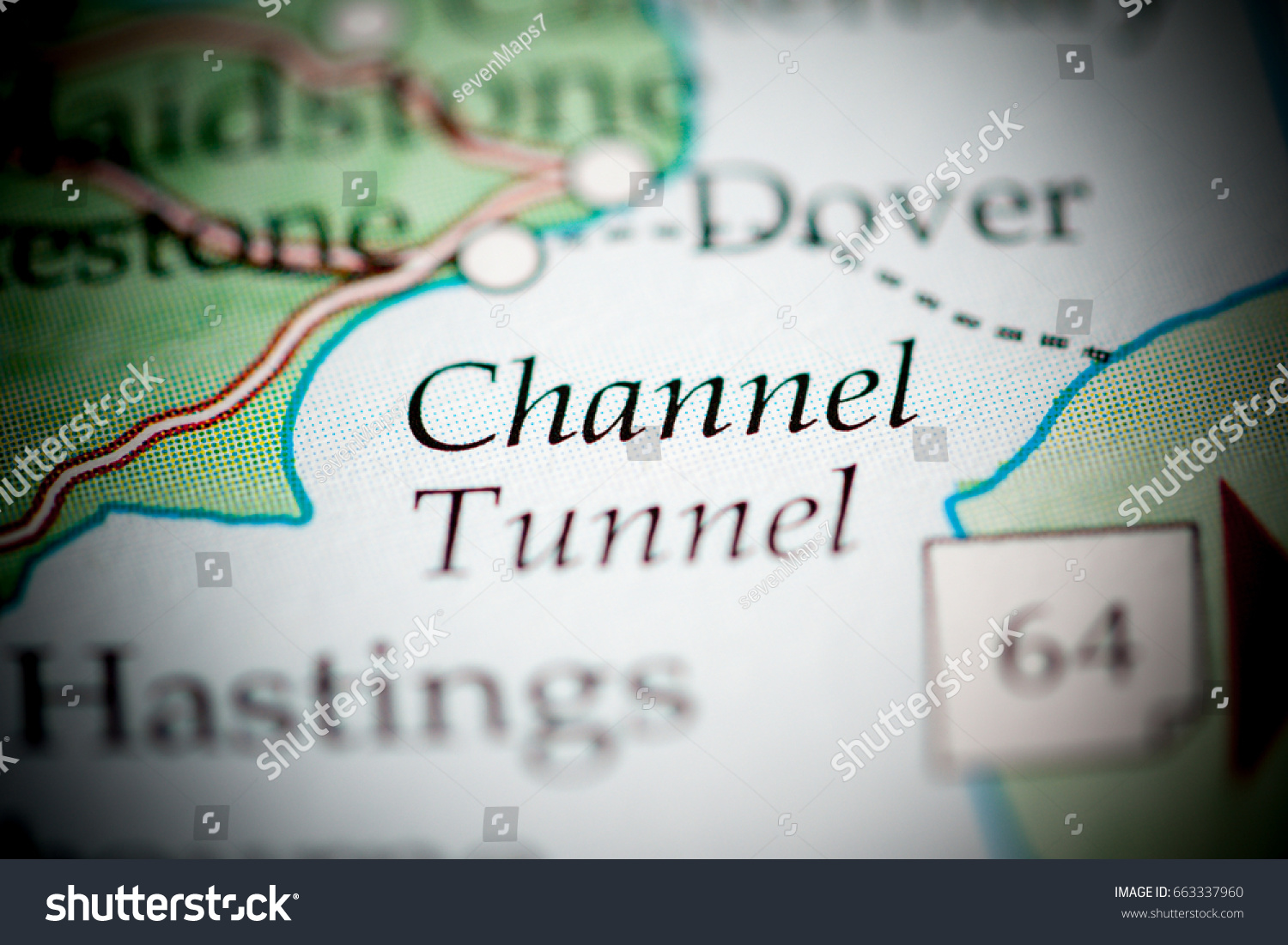
The Channel Tunnel, often referred to as the Chunnel, is a remarkable feat of engineering that connects the United Kingdom and France beneath the English Channel. Completed in 1994, this 50.45-kilometre (31.4 mi) undersea rail link has played a transformative role in facilitating travel and trade between the two countries, making it a subject of continuous interest and importance, especially in light of ongoing discussions about international logistics and post-Brexit trade.
Construction and Features
Construction of the Channel Tunnel began in 1988 and was completed six years later, involving an investment of approximately £4.65 billion. The Tunnel comprises three parallel tunnels: two for the trains and a smaller service tunnel. It is unique as it is the first undersea tunnel to connect the UK with mainland Europe, reducing travel time significantly. Eurostar trains operating in the tunnel can travel at speeds of up to 160 km/h (approximately 100 mph), allowing passengers to travel between London and Paris in about 2 hours and 15 minutes.
Economic Impact
The Channel Tunnel has had a profound economic impact on both the UK and France. It is not only a passenger route but also a vital conduit for freight traffic, allowing for seamless transport of goods. In 2022, approximately 21 million passengers travelled through the Tunnel, alongside 1.6 million freight vehicles. This has bolstered trade links, with freight operations accounting for a significant proportion of the Tunnel’s revenue, estimated at around £1 billion annually.
Challenges and Future Outlook
Despite its successes, the Channel Tunnel has faced several challenges over the years, including logistical disruptions during the COVID-19 pandemic and periodic strikes in France impacting travel. Additionally, the post-Brexit landscape has introduced new complexities regarding customs and border controls. Nevertheless, industry experts forecast that the importance of the Tunnel will continue to grow as global trade patterns evolve, and rail travel is viewed as a more sustainable transport option.
Conclusion
The Channel Tunnel remains a vital link between the UK and Europe, contributing to economic growth, tourism, and cultural exchange. As the world adjusts to post-pandemic realities and shifting trade dynamics, its role in facilitating efficient movement of people and goods is likely to remain crucial. For travellers and businesses alike, the Channel Tunnel represents a bridge of opportunity, symbolising connectivity in an increasingly complex global landscape.