Introduction
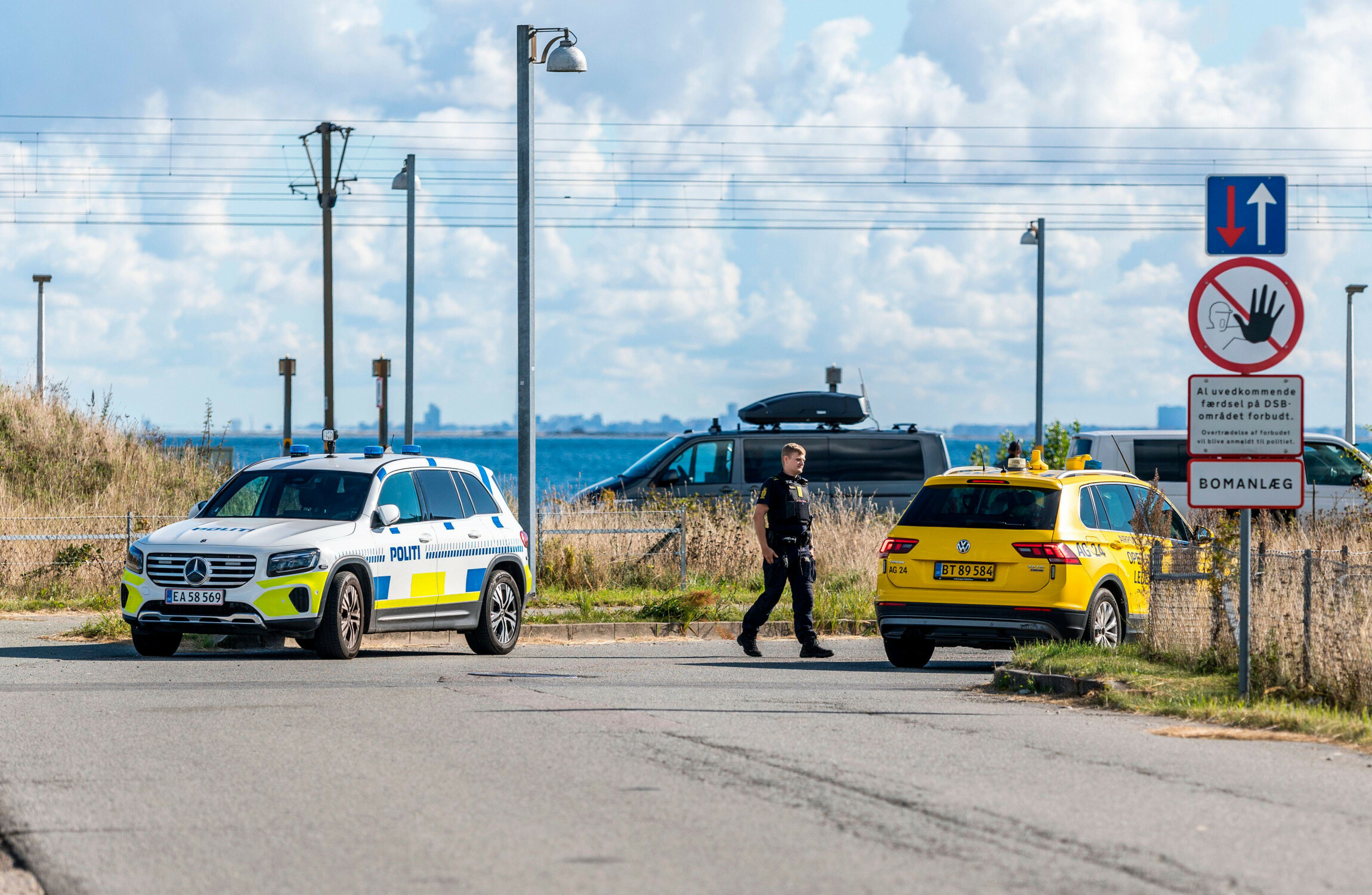
In recent weeks, Denmark has seen a surge in reported drone sightings near its military bases, raising significant concerns about national security and the integrity of sensitive military operations. These incidents coincide with a broader trend of elevated drone activity across Europe, particularly in relation to military installations. Understanding the implications of these sightings is crucial, given the potential threats posed by unverified aerial surveillance.
Details of the Sightings
Reports indicate that multiple drone sightings have occurred near key military facilities, including the Air Force Base in Aalborg and the naval base in Karup. Local authorities, alongside military officials, have confirmed that these unidentified drones were spotted flying at low altitudes in restricted airspace, prompting immediate investigations.
The Danish military has expressed its concerns about the potential for these drones to be involved in espionage or other nefarious activities. Since the start of 2023, there have been at least ten reported incidents involving drones that coincide with important military exercises or operational movements. With the prevalence of drones equipped with high-definition cameras and other surveillance tools, the implications for military secrecy and operational security are substantial.
Impacts and Investigations
In light of these sightings, the Danish Armed Forces have increased their surveillance efforts and are working closely with local law enforcement to identify the origins of these drones. The Danish Ministry of Defence has also reiterated its commitment to safeguarding national security, highlighting the potential risks posed by unknown drone operators. Some military analysts have suggested that these incidents could be part of a larger trend of hostile reconnaissance, possibly linked to geopolitical tensions in Europe.
Experts warn that the increase in drone sightings might embolden mischievous actors, leading to an escalation in similar incidents. The armed forces are now reviewing airspace security protocols and have called for stricter regulations surrounding civilian drone flight paths to prevent future occurrences.
Conclusion
The recent drone sightings near military bases in Denmark underscore a growing challenge for governments and military organisations worldwide as advancements in drone technology render traditional air security measures less effective. The need for comprehensive laws and guidelines governing drone use is more pressing than ever. As investigations continue, the Danish authorities are under pressure to enhance their security protocols while balancing the rights of civilian drone enthusiasts. This situation remains a critical area of focus, and further developments are anticipated as investigations progress.