







Introduction
The changing of the clocks is a familiar adjustment for many in the UK, marking the transition into shorter days and longer nights. This biannual event, which is part of Daylight Saving Time (DST), is important for various reasons, ranging from energy conservation to the impact on our daily routines. As 2025 approaches, understanding when the clocks will go back is crucial for planning and staying punctual.
Daylight Saving Time in 2025
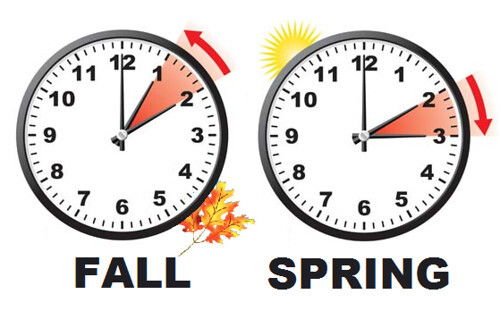
In 2025, the clocks will go back in the UK on Sunday, 26 October at 2:00 AM. At this point, the time will revert from British Summer Time (BST) to Greenwich Mean Time (GMT). The transition signifies the end of daylight saving and is typically associated with colder, darker evenings. This shift will see sunset occurring earlier in the day, fundamentally altering our social and work schedules.
Historical Context and Importance
Daylight Saving Time was first implemented during World War I to conserve fuel, and it has been a topic of debate ever since. Proponents argue it leads to energy savings and encourages outdoor activities in the evenings. However, critics highlight potential negative effects on health and the challenges of adjusting sleep patterns. In recent years, discussions about the efficacy of DST have intensified, with some advocating for its abolition or permanent adoption of summer time.
Effects on Daily Life
The adjustment in 2025 will have various implications. For many, the shift means shorter evenings; nonetheless, it can also lead to increased safety as visibility improves in the earlier hours before dark. Businesses involved in sectors like hospitality and retail often notice a shift in customer behaviour as darker nights can deter evening outings. Moreover, this transition invites individuals to consider their strategies for managing sleep and lifestyle changes as they move into the winter months.
Conclusion
The clocks going back in 2025 will undoubtedly prompt a period of adjustment for many. Awareness of the changes can help ease this transition and allow individuals to plan accordingly as their daily schedules adapt to the new timing. As debates surrounding the relevance of Daylight Saving Time continue, understanding its historical significance and practical implications will remain important for UK residents. For now, marking your calendars for the last Sunday in October 2025 will ensure you’re prepared for this change.