









Introduction
The UK General Election, scheduled for 2024, holds significant importance as it will determine the political landscape of the country for years to come. With pressing issues such as the cost of living crisis, climate change, and the fallout from Brexit, the upcoming election is expected to engage voters and influence policy direction. Understanding these issues and their implications is vital for voters as they prepare to cast their ballots.
Current Political Landscape
As 2024 approaches, the political arena in the UK is charged with anticipation and speculation. The Conservative Party, currently in power, faces pressures from an increasingly critical public, exacerbated by soaring inflation and high energy costs. Meanwhile, the Labour Party, under the leadership of Keir Starmer, is aiming to galvanise support by pushing for revamped policies on healthcare, education, and public services.
Major Issues at Stake
Among the top priorities for voters are the rising costs of living, which have escalated due to inflation rates striking 10.1% in 2023 according to the Office for National Statistics (ONS). This has led many households to spend a larger proportion of their income on essential goods, creating a need for government action. Climate change policies are also a significant part of the conversation, as the UK government aims to meet its ambitious net-zero target by 2050. Voters are increasingly considering how each political party plans to tackle environmental issues.
Electoral System and Voter Engagement
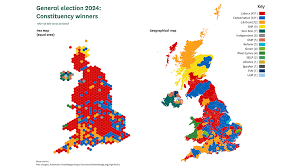
The UK employs a first-past-the-post electoral system, which can lead to substantial discrepancies between the percentage of votes received by parties and the number of seats they secure in Parliament. This system often favours larger parties, creating challenges for smaller parties like the Liberal Democrats and emerging political movements that advocate for major reforms.
Voter engagement has also become a topic of concern, especially with young voters. Recent statistics from the Electoral Commission indicate a modest increase in registration numbers amongst younger demographics, which could play a pivotal role in determining the outcome of the election.
Conclusion
The UK General Election 2024 promises to be a turning point in the nation’s governance, heavily influenced by current pressing issues and the electorate’s response. As political parties gear up for their campaigns, voters must stay informed about the policies and implications of their choices. The election will not only shape the immediate future but could set the tone for the political environment for the next decade, making engagement in the democratic process more critical than ever.