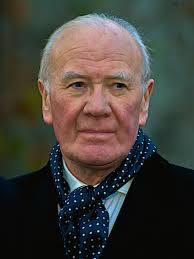
Introduction
Ming Campbell, the former leader of the Liberal Democrats, has been a prominent figure in British politics for decades. His contributions have shaped the party and influenced the broader political landscape in the UK. Understanding his career, values, and influence is crucial, especially in today’s politically charged environment where the need for effective and progressive leadership is more pronounced than ever.
Political Career
Born on 22nd May 1941, Campbell began his political journey as a member of the Liberal Party in the early 1960s. His academic credentials, which include a degree from Cambridge University and a successful career in law, prepared him for a life of public service. He was elected as the Member of Parliament (MP) for North East Fife in 1997, serving as a figure of integrity and reason.
Campbell rose through the ranks of the Liberal Democrats and was appointed party leader in 2006. His leadership came during a critical period as the party sought to distinguish itself from the Labour and Conservative parties. He championed a progressive agenda focusing on civil liberties, electoral reform, and environmental sustainability. Under his stewardship, the party made notable strides, including a prominent role in the coalition government from 2010.
Achievements and Policies
One of Campbell’s significant achievements was advocating for issues often sidelined in mainstream politics. He was a vocal opponent of the Iraq War, which resonated with many voters disillusioned by military intervention abroad. His commitment to civil liberties saw him speak out against government surveillance policies, positioning him as a defender of personal freedom.
Recent Developments and Legacy
Though Campbell stepped down as leader in 2007, he has remained an influential voice in political discussions. His insights on political strategy and the importance of liberal values continue to resonate, particularly among younger politicians seeking to navigate a complex political landscape. In a recent interview, Campbell underscored the importance of fostering a more inclusive and transparent political dialogue, pointing to the challenges posed by populism and division.
Conclusion
Ming Campbell’s political journey illustrates the importance of principled leadership in navigating the complexities of modern governance. His legacy continues to inspire, as discussions around civil liberties, international relations, and electoral reform become increasingly vital in UK politics. As the political landscape evolves, Campbell’s voice will likely remain influential, reminding us all of the enduring values of democracy and rational discourse.