










Introduction
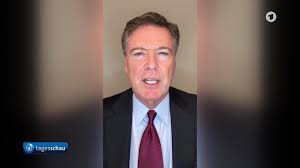
James Comey, a prominent American lawyer and former Director of the Federal Bureau of Investigation (FBI), has played a pivotal role in shaping the landscape of U.S. law enforcement over the past two decades. His involvement in high-profile cases and his public testimony regarding the investigations into political figures have kept him in the national spotlight, making his actions and decisions a topic of great relevance to the citizens and policymakers.
Career Highlights
Appointed as FBI Director in September 2013, Comey took charge during a tumultuous time for the Bureau, facing significant challenges including growing concerns over cybersecurity and domestic terrorism. He is perhaps best known for his role in the investigations surrounding former Secretary of State Hillary Clinton and Russian interference in the 2016 presidential election. His announcement in July 2016 that he would not recommend charges against Clinton for her use of a private email server provoked mixed reactions, igniting a fierce debate over political bias and the influence of the FBI in electoral processes.
Comey’s tenure saw significant changes in FBI policy, including a push to adapt the Bureau’s approach to handling sensitive cases involving public figures. His subsequent dismissal by President Donald Trump in May 2017 turned him into a whistleblower figure, as Comey openly discussed his views on the importance of independence within public office in several interviews and his memoir, “A Higher Loyalty.” His testimony before Congress not only elucidated the FBI’s investigations but also raised significant concerns regarding the threats to democracy posed by foreign interference.
Recent Developments
Following his tenure at the FBI, Comey has remained an influential voice on issues pertaining to law enforcement and governance. Most recently, he has been involved in public discussions regarding increasing political polarization and the implications it holds for law enforcement agencies. His perspectives on justice reform and the integrity of institutions are increasingly relevant in today’s socio-political climate. Comey continues to advocate for accountability and transparency within the highest levels of government, arguing that trust is essential for democracy to flourish.
Conclusion
The legacy of James Comey continues to ripple through the corridors of political and law enforcement arenas. As the discussions surrounding political ethics and law enforcement evolve, Comey’s insights serve as crucial reflections on the importance of integrity within public office. Moving forward, it is paramount for future law enforcement leaders to embrace transparency and uphold the tenets of democracy, with Comey’s tenure serving as both a lesson and a guiding beacon for navigating the complexities of justice in the modern era.