










Introduction
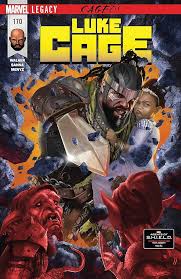
Luke Cage, a character from Marvel Comics, has made a substantial impact in not just the comic book world, but also in television and broader social issues. Originally created to reflect community narratives, the character has transcended his comic book roots, engaging audiences with themes of race, justice, and heroism. With a revival in his popularity due to the Netflix series, Luke Cage remains significant in discussions about representation in media and the portrayal of Black heroes.
Origin and Evolution
Luke Cage first appeared in 1972 in ‘Luke Cage, Hero for Hire’, created by Archie Goodwin, George Tuska, and John Romita Sr. As one of the first Black superheroes, Cage’s character was shaped in a time when racial tensions were high in America. He was portrayed as a man with superhuman strength and unbreakable skin, navigating life in Harlem. Over the decades, Luke has evolved from a blaxploitation character into a complex figure who struggles with his identity and societal issues.
Television Adaptation
The 2016 Netflix series ‘Luke Cage’ catapulted the character back into the limelight. The show, which ran for two seasons, was praised for its rich storytelling and its deep exploration of the African-American experience, tackling issues like systemic racism and community violence. The character was brought to life by actor Mike Colter, who provided depth and nuance, making Cage relatable and heroic in a modern context. The series featured a strong soundtrack that echoed the culture of Harlem, further adding to its authenticity.
Impact on Society
Luke Cage’s journey resonates with contemporary struggles for social justice and equal representation. The show inspired conversations regarding police brutality and the portrayal of Black characters in media. Many advocates credit Cage’s impact with encouraging more African-American creators and stories within the comic book industry, as it reflects the importance of diversity in storytelling. Luke has become a symbol of resilience and a contrast to the often stereotypical depictions of Black individuals in entertainment.
Conclusion
Luke Cage has transcended his role as a mere comic book character and has grown into a cultural icon. As we progress into a future where representation is increasingly valued, characters like Luke Cage are vital for illustrating the complexities of the human experience across race and identity. The ongoing conversations inspired by Luke Cage highlight the importance of diversity in media and storytelling and pave the way for future representations of underrepresented communities in mainstream narratives.