








Introduction
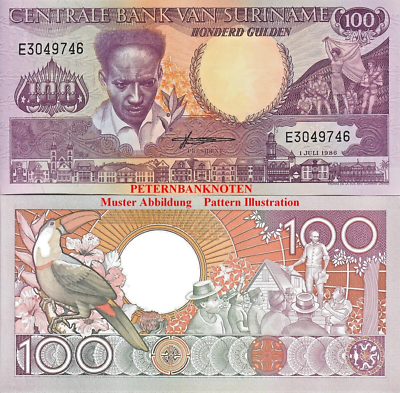
Suriname, a small nation on the northeastern coast of South America, is often overlooked by travelers, yet it holds great significance due to its unique melting pot of cultures, diverse ecosystems, and a rich historical backdrop. As one of the least populous countries in South America, Suriname’s population is around 600,000, primarily concentrated in the capital city, Paramaribo. Recent trends in ecotourism have brought renewed interest to this hidden gem, highlighting its relevance on the global stage.
Geography and Biodiversity
Suriname is primarily covered by dense rainforest, much of which is included in the Central Suriname Nature Reserve, a UNESCO World Heritage site. This region boasts extraordinary biodiversity, including various endemic species of flora and fauna. The country is home to over 1,300 species of birds and countless plant species; hence, it is often referred to as a paradise for nature enthusiasts. Conservation efforts are being strengthened, and there is hope that increased awareness will protect these valuable ecosystems.
Cultural Diversity
Suriname’s population is a mix of ethnicities, including Indigenous peoples, Afro-Surinamese, Javanese, Chinese, and Dutch, among others. This rich tapestry creates a vibrant cultural landscape, reflected in the nation’s festivals, culinary traditions, and languages spoken. The official language is Dutch, but many inhabitants also speak Sranan Tongo, Hindi, and Javanese, showcasing the country’s multicultural heritage. Annual events such as the Paramaribo Carnival and the Holi Festival celebrate this diversity and attract visitors from around the world.
Historical Context
Suriname’s history is marked by the colonisation by the Dutch in the 17th century, which led to the establishment of a plantation economy reliant on enslaved African labour. The country gained independence on November 25, 1975, but not without facing significant challenges, including political instability and economic struggles. Today, Suriname is a parliamentary democracy, and political reforms aim to improve governance and economic conditions.
Conclusion
Suriname’s cultural richness, historical significance, and unique biodiversity are increasingly drawing attention from environmentalists, historians, and travellers alike. With ongoing efforts to promote sustainable tourism and conservation, the future looks promising for this South American nation. As more people seek to explore off-the-beaten-path destinations, Suriname stands out as a locale that is not only picturesque but also rich in stories and experiences waiting to be discovered. The significance of Suriname extends far beyond its borders; it serves as a reminder of the ecological and cultural wealth held within our planet’s diverse nations.