









Introduction
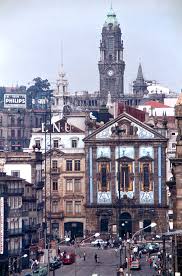
Porto, the second-largest city in Portugal, is a captivating destination that attracts millions of visitors annually. Known for its stunning architecture, rich history, and, of course, its world-famous port wine, Porto holds immense significance not only as a cultural hub but also as an economic powerhouse within the country. The charm and allure of the city have made it increasingly relevant in travel and tourism discussions, particularly as more people seek authentic and immersive experiences.
Historical Significance
The history of Porto dates back to Roman times, when it was known as Portus Cale. The name ultimately evolved into Portugal. The city is home to numerous historical landmarks, including the iconic Dom Luís I Bridge, designed by a disciple of Gustav Eiffel, and the ornate São Bento Railway Station, famed for its stunning azulejo tiles depicting scenes from Portuguese history. These monuments not only illustrate Porto’s architectural beauty but also its layered past.
Cultural Richness
Porto’s culture is as dynamic as its history. The city boasts a vibrant arts scene, enlivened by events such as the Festa de São João, one of the largest street festivals in Europe. Visitors can wander through the picturesque Ribeira district along the Douro River, indulge in delicious local cuisine—such as the legendary Francesinha sandwich—and immerse themselves in the atmosphere of the city’s many galleries and museums, including the Serralves Foundation and the Contemporary Art Museum.
The Famous Port Wine
A trip to Porto would be incomplete without an exploration of its famed port wine. The city has countless wine cellars offering tastings and tours, providing insight into the centuries-old traditions of wine production in the Douro Valley. The balanced blend of sweet and rich flavours has resulted in port wine being a staple of the region’s identity and economy, attracting wine enthusiasts from all corners of the globe.
Conclusion
In conclusion, Porto stands as a symbol of Portugal’s rich cultural heritage and economic progress. Its historical significance, coupled with a burgeoning modern identity, contributes to its status as a travel destination for those looking to explore authentic European culture. As Porto continues to develop, with infrastructure improvements and increased international flights, the city is destined to grow in popularity. Readers contemplating their next travel destination may find that Porto offers an unforgettable blend of history, culture, and, of course, delicious port wine that is sure to leave a lasting impression.