Introduction
The recent encounters between Russian pilots and NATO forces in European airspaces have raised significant concerns about military tensions and regional security. As NATO countries bolster their air patrols in response to heightened tensions with Russia, understanding the dynamics of these interactions is crucial. These encounters not only impact diplomatic relations but also highlight the precarious balance of power in European skies.
Recent Events
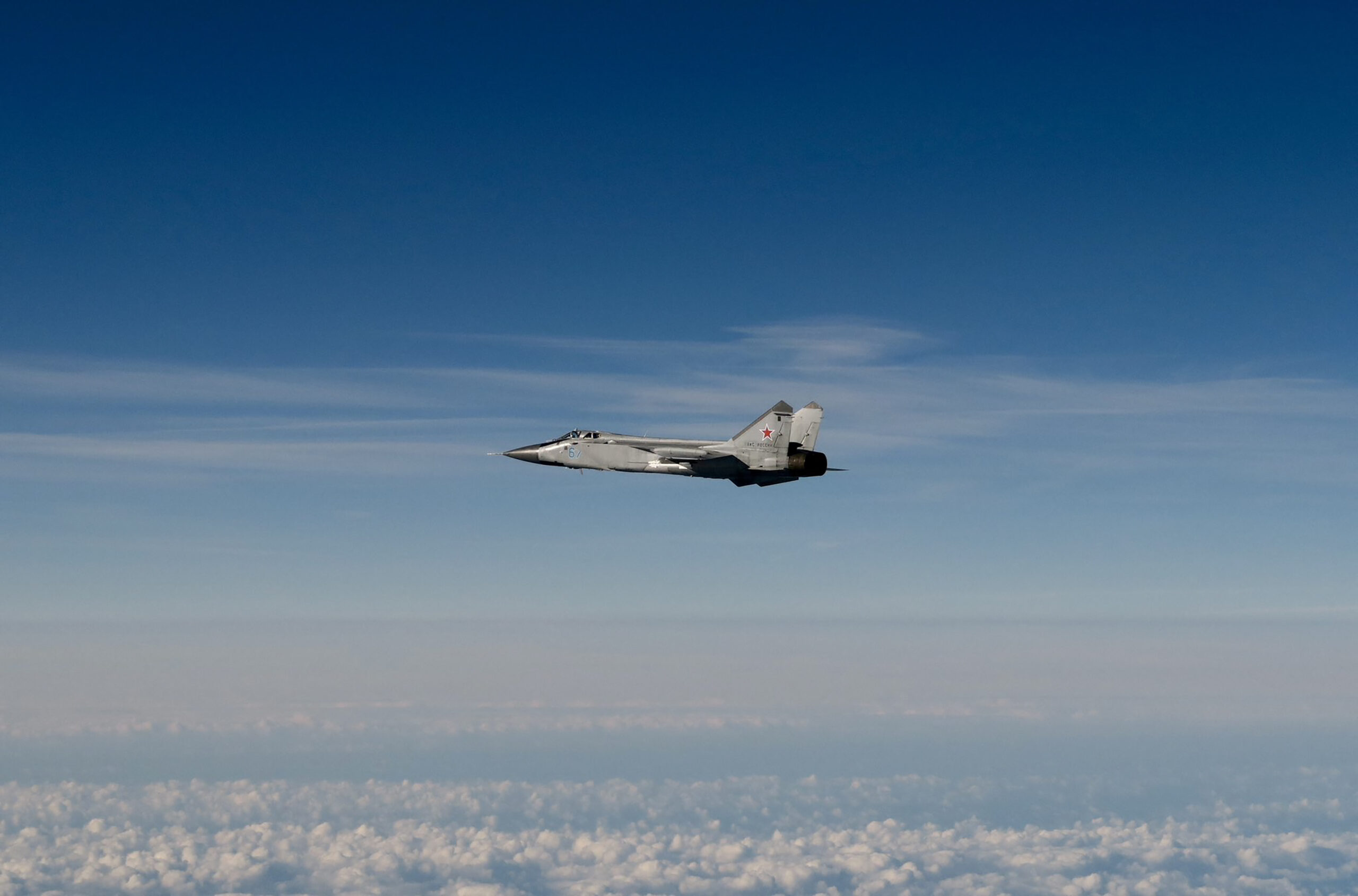
In October 2023, NATO confirmed a series of dangerous close encounters with Russian fighter jets over the Baltic Sea. According to reports, Russian Su-27 and Su-30 aircraft were deemed to be reacting provocatively as NATO fighter jets conducted routine patrols of the region. These incidents often occur in international airspace, where all parties have a right to operate, yet the engagements have become more frequent and concerning.
In one notable incident, a Russian fighter jet reportedly intercepted a NATO reconnaissance aircraft, forcing it to alter its flight path. NATO officials have expressed their serious concerns about the potential for miscalculations or accidents that could escalate into larger conflicts. The incidents coincide with increasing military exercises by both NATO and Russian forces in Eastern Europe, further straining the already tense atmosphere.
Geopolitical Context
The resurgence of military encounters emphasizes the fractured relationship between NATO and Russia, particularly following the Ukraine conflict. NATO’s expansion eastward and its commitment to collective defence in response to perceived Russian aggression have contributed to a climate of distrust.
Officials from both sides insist that their actions are defensive. Russia accuses NATO of provocative actions along its borders, while NATO maintains that its patrols are routine and necessary to ensure security in response to increasing threats from the east.
Importance and Significance
The significance of these encounters lies not just in military strategy, but also in their impact on international relations. The spectre of a military confrontation looms, with both NATO and Russian officials understanding that a single indiscretion in the air could lead to broader military conflict.
Military analysts suggest that it is imperative for both sides to engage diplomatically to establish protocols to avoid incidents in the skies. Enhanced communication mechanisms between NATO and Russia could play a crucial role in de-escalating tensions and preventing misunderstandings.
Conclusion
The encounters between Russian pilots and NATO forces serve as a stark reminder of the fragile peace that exists in Europe today. As military exercises ramp up and diplomatic relations remain strained, it is vital for both parties to seek avenues for dialogue to defuse tensions. Moving forward, establishing clear protocols and communication lines could be key to ensuring that aerial operations remain safe and do not escalate into conflict.