










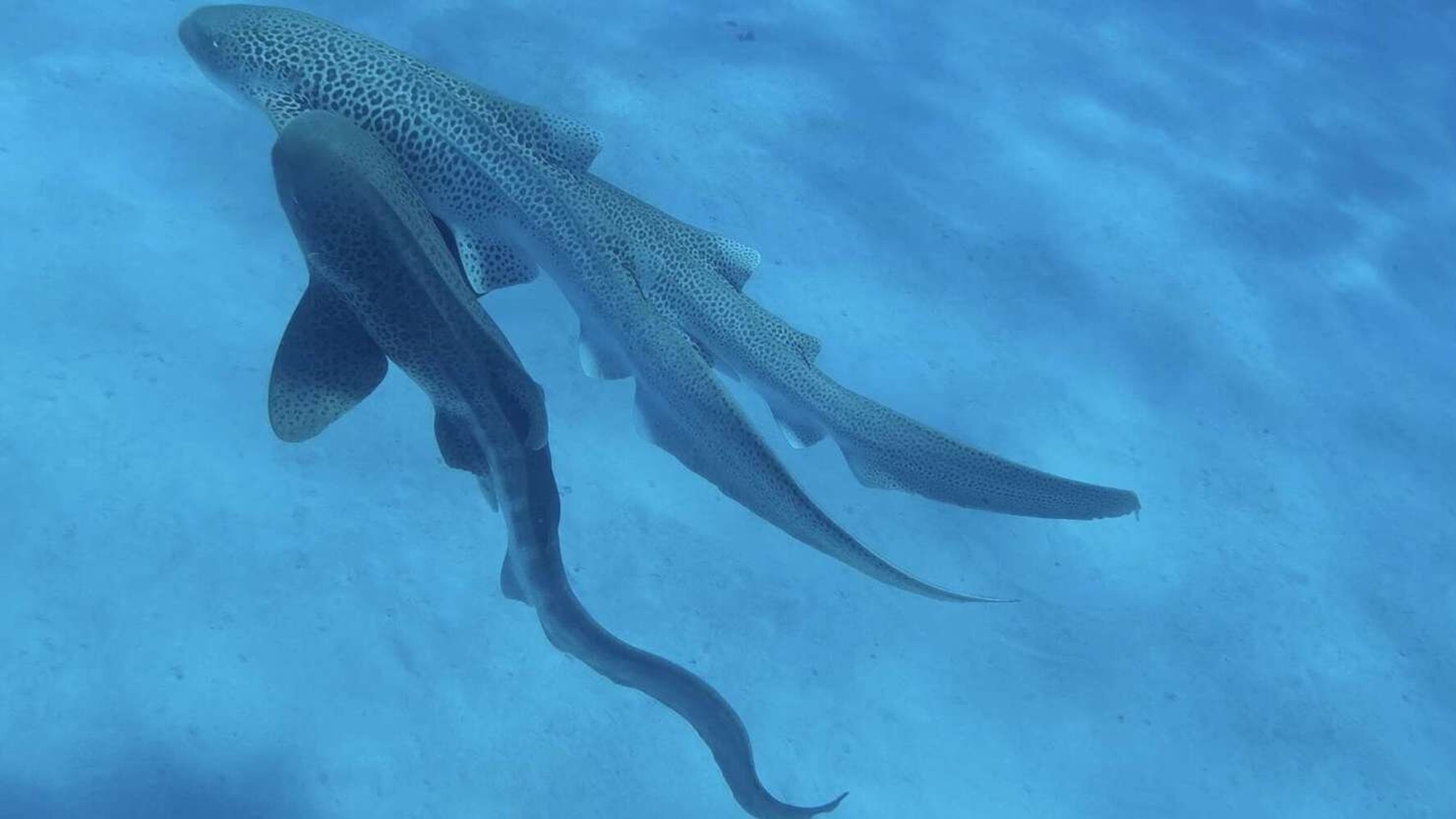
The Importance of Shark Mating Knowledge
Leopard sharks (Triakis semifasciata) play a crucial role in marine ecosystems as both predators and prey. Understanding their mating behaviours is vital for marine conservationists and researchers who aim to protect these species. With the ongoing challenges posed by habitat loss and overfishing, enhancing our understanding of leopard shark reproduction can help in creating effective conservation strategies.
Mating Season and Habitats
The mating season for leopard sharks typically occurs during the warmer months, specifically from late spring to early summer. During this time, these sharks migrate to shallower coastal waters, often in estuaries and bays, where females may seek safe areas to give birth.
Leopard sharks are known to practice a unique form of mating behaviour involving intricate courtship rituals. Males will often engage in a series of displays, including swimming in a circular pattern around the females and gently biting the females’ fins to assert dominance and attract them for mating.
The Mating Process
Once a female is receptive, the mating process begins. Leopard sharks are ovoviviparous, which means that the eggs hatch inside the female’s body, and she gives live birth. After a gestation period of approximately 10 to 11 months, a female will give birth to a litter of about 4 to 30 pups, depending on the size and health of the female.
Challenges Faced
Leopard sharks face several threats during their mating season, including habitat degradation caused by coastal development, pollution, and fishing practices. Furthermore, their habitats are often disturbed by human activities, which can impact their reproductive success. Conservation efforts, including marine protected areas and sustainable fishing regulations, are essential to ensure that leopard shark populations remain stable and continue their reproductive cycles.
Concluding Remarks
In conclusion, understanding leopard shark mating behaviours is critical for the health of marine ecosystems. As researchers continue to study these fascinating creatures, it is vital for conservationists and policymakers to implement measures that protect their environments and ensure that leopard shark populations thrive. This understanding not only helps in preserving the species but also in maintaining the balance within marine ecosystems where they play a significant role.