Introduction
In the digital age, identity verification has become a critical aspect of security and convenience in both personal and professional spheres. Digital IDs are emerging as a vital solution that streamlines this process. By enabling secure and efficient identification, these systems promise not only to enhance user experience but also to curb identity theft and fraud.
The Rise of Digital IDs
As society increasingly shifts towards online interactions, the need for reliable digital identity solutions has gained momentum. According to a report by the World Economic Forum, about 1.1 billion individuals globally lack formal identification, creating barriers for access to services such as banking and healthcare. Digital ID systems can bridge this gap, providing individuals with unique and verifiable identities.
Recent Developments
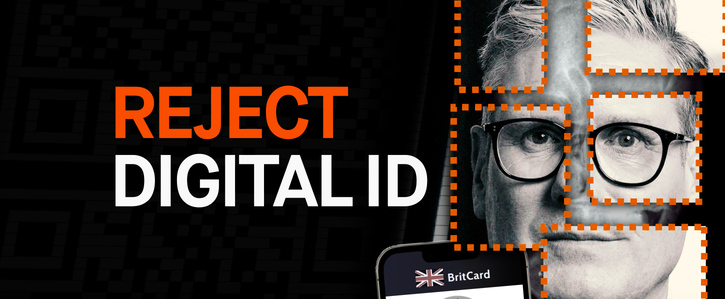
In recent months, several countries have made significant strides in implementing digital ID initiatives. In the UK, the government launched its Digital Identity and Attributes Trust Framework, designed to provide a secure method for individuals to prove their identity online. This framework aims to create a trustworthy way for citizens to access online services ranging from shopping to government applications.
Simultaneously, the European Union is gearing up for its European Digital Identity initiative, allowing individuals to store their personal identification securely in a digital wallet. This initiative promises to streamline the identification process by enabling access to services while maintaining privacy and security.
Benefits of Digital IDs
Digital IDs offer numerous advantages, including increased security, greater convenience, and improved access to essential services. They can reduce fraudulent activities by ensuring that identities are robustly verified. Moreover, citizens can manage their identities more efficiently without the need for physical documents, which can be lost or stolen.
Challenges Ahead
Despite the benefits, the implementation of digital ID systems is not without challenges. Privacy concerns remain a significant hurdle, as personal information stored digitally can be vulnerable to breaches if not adequately protected. Stakeholders must balance security and privacy to maintain public trust in these systems.
Conclusion
As we move further into the digital age, the importance of digital IDs continues to rise. They provide opportunities for enhanced security, efficiency, and access to services. However, for digital IDs to achieve their full potential, developers and policymakers must work together to address the associated challenges such as privacy and security. The future of identification lies in robust digital solutions, making it imperative for individuals and institutions to embrace this transformation cautiously and strategically.